

Play
The Transformation of Electronic Music Festivals

The evolution of electronic music festivals in recent decades reflects a radical change in club culture and the way mass events are consumed. In their origins, iconic gatherings like Aquasella, ElectroSplash, Electrobeach, Dreambeach or I Love Techno prioritized the sound experience and the direct connection with the DJ booth, where the selector worked with vinyl and the audience gathered with the sole purpose of dancing and discovering new music.
Over time and with the massive professionalization of the industry, these gatherings have gone from rural locations and simple structures to ephemeral macro-cities designed for global entertainment. The music, which previously occupied the undisputed central axis, now shares the spotlight with an unprecedented technical display composed of pyrotechnics, drones, monumental screens and colossal stages, consolidating the festival model like Tomorrowland.
This structural development coincides with a transformation in the consumption habits of new generations. The statistical decline in alcohol consumption in nightlife has led promoters to diversify their commercial offer, incorporating gastronomic zones, parallel activities, themed rest areas and the sale of exclusive merchandise to monetize every aspect of the attendee's stay.
Likewise, the impact of mobile phones and social networks has redefined the dynamics of events, prioritizing the creation of immediate visual content for digital platforms over the musical surprise factor. The figure of the DJ has transitioned from an anonymous technician behind the decks to a personal brand of massive reach, shaping a scene where image and scenography are as decisive as the musical selection itself.
Mentioned




Upcoming from mentions
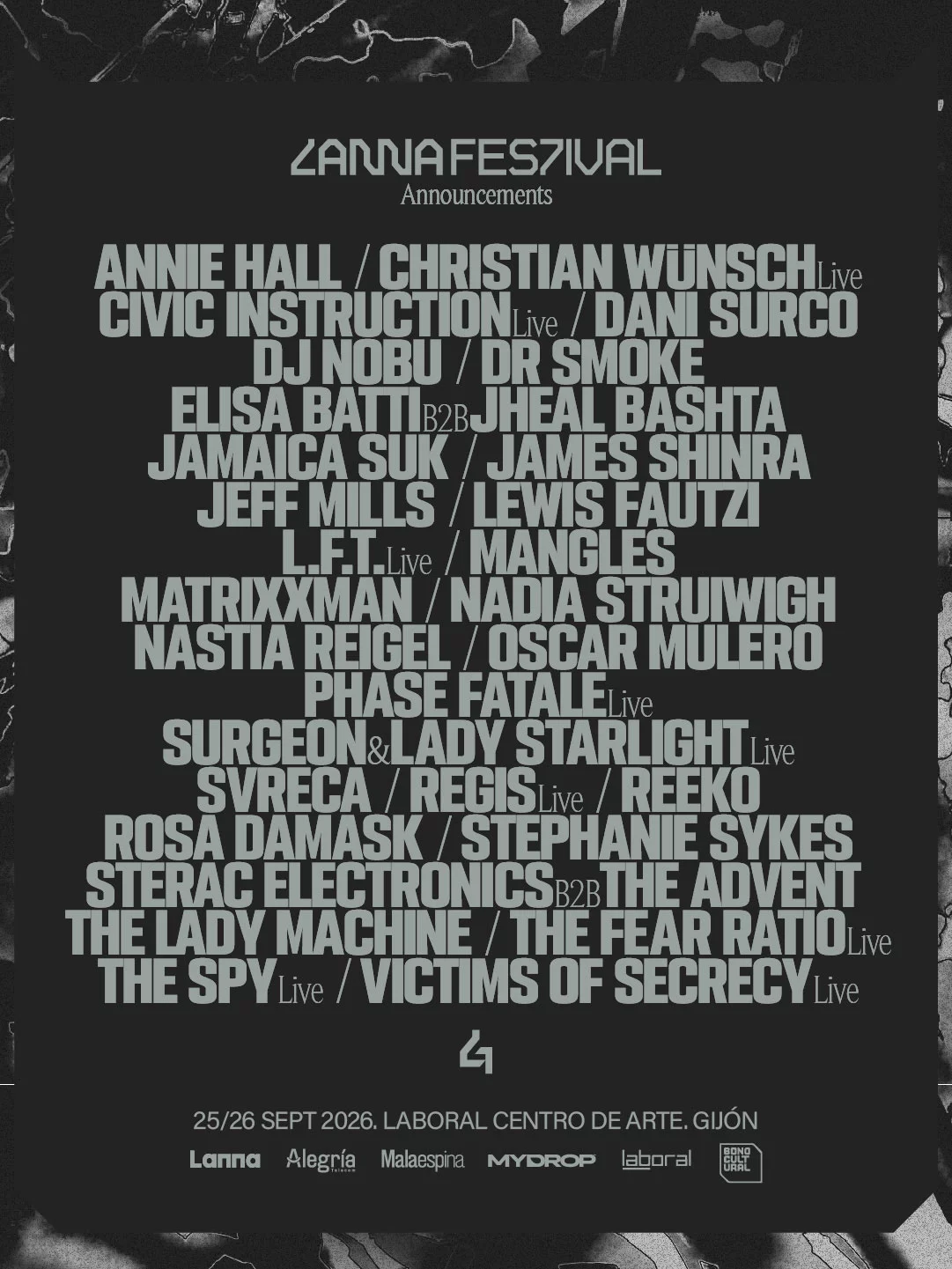
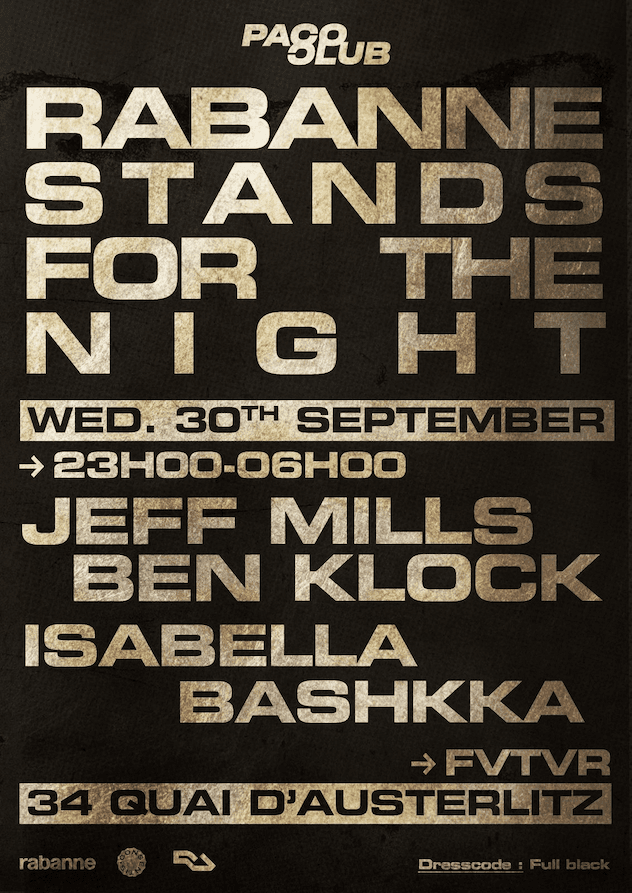

Circus Nation Granada 2026 - Sábado 3
Jeff Mills / Chris Liebing / DJ Rolando
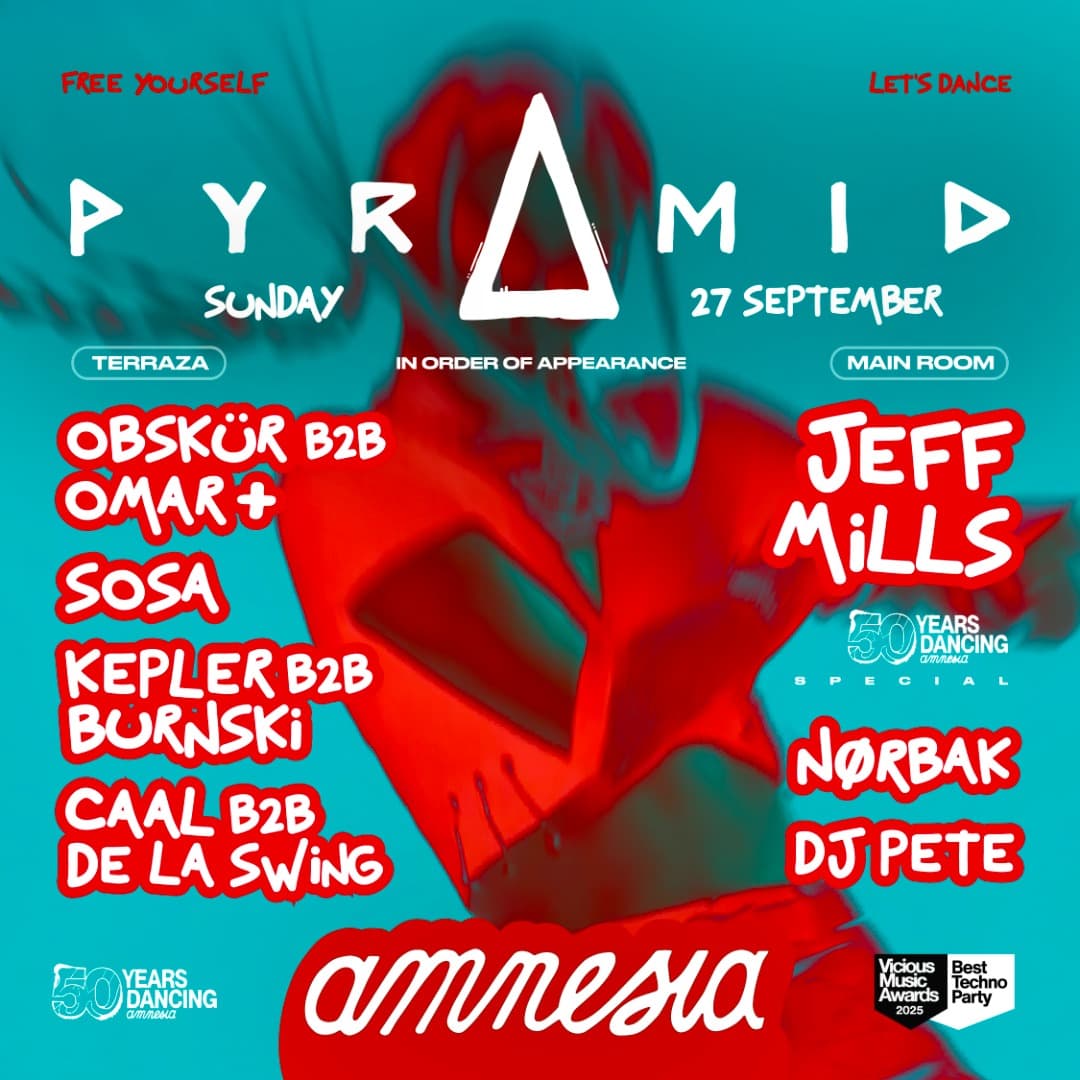
Amsterdam Dance Event 2026 - Viernes 23
BASHKKA / Job Jobse / Mochakk
Amsterdam Dance Event 2026 - Sábado 24
Afrojack / Amelie Lens / Armin van Buuren
 12:52Tequila Thru
The Evolution of French House: From French Touch to Underground
 11:22Tequila Thru
Vitalic: Trajectory, Identity and the Trap of his Success
 11:31Tequila Thru
Laurent Garnier and The Haçienda: The essence of electronic music
 11:17Tequila Thru
Goldie and Timeless: How Drum & Bass Became Art
 12:52Tequila Thru
Sama Abdulhadi and the birth of techno in Palestine
 10:32Tequila Thru
DVS1 and Aslice: The Challenge to the Electronic Industry
 10:31Tequila Thru
Colin Benders: From Orchestra Conductor to Modular Techno
 10:11Tequila Thru
The Impact of the Digital Era on Electronic Music Consumption
 10:01Tequila Thru
From Kraftwerk to Daft Punk: Two Visions of Electronic Music
 11:02Tequila Thru
Jeff Mills and techno in the face of the algorithm era
 Explore channel
See every video from Tequila Thru