

Club
Berghain
Berlin, State of Berlin, Germany
Biography of Berghain
Concrete, steel, and an 18-meter dancefloor
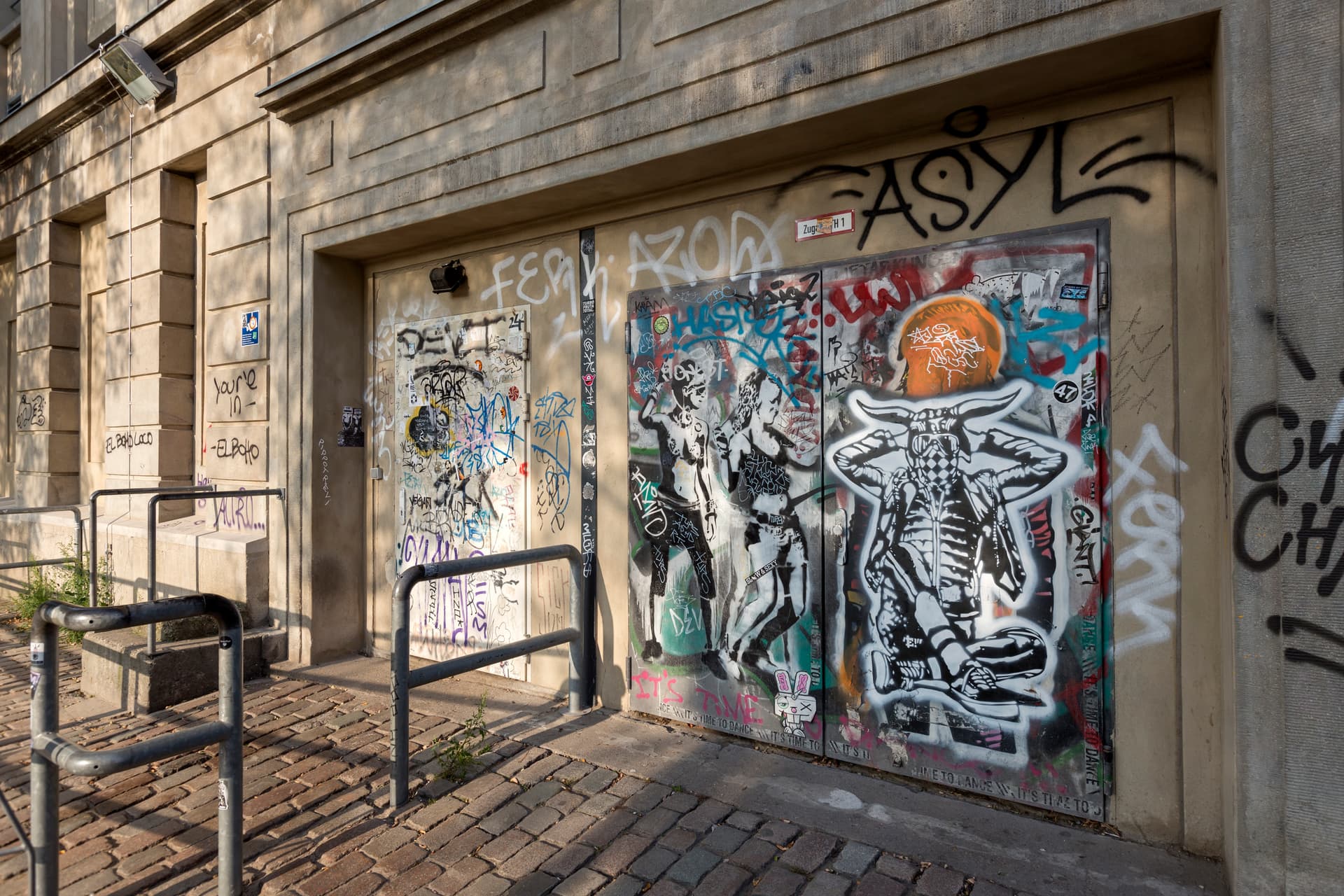
The industrial mass of a former Friedrichshain power plant marks the character of Berghain before crossing the door: bare concrete, monumental scale, and a main room where techno functions as physical pressure rather than simple musical programming. The building, originally built as energy infrastructure in the postwar period and reused for the Berlin night, preserves a steel and concrete architecture that favors the feeling of a ritual nave. Its main dancefloor, about 18 meters high, turned the venue's volume into part of the experience and reinforced a dry, dark, and little-ornamental aesthetic.
From Ostgut DNA to the mythology of the door
The club opened in 2004 as a cultural continuity of Ostgut, the venue that closed in 2003 and was linked to the history of Snax and the Berlin gay and fetish scene. Its founders, Norbert Thormann and Michael Teufele, moved that mix of sexual freedom, sonic hardness, and nocturnal community to a larger space, located between Kreuzberg and Friedrichshain; that is where the name Berghain comes from. The door policy, selective and deliberately opaque, has been part of its mythology, but its real weight is in the protection of a queer culture where the dancefloor, anonymity, and respect for the internal code count more than exhibition.
Techno downstairs, house upstairs
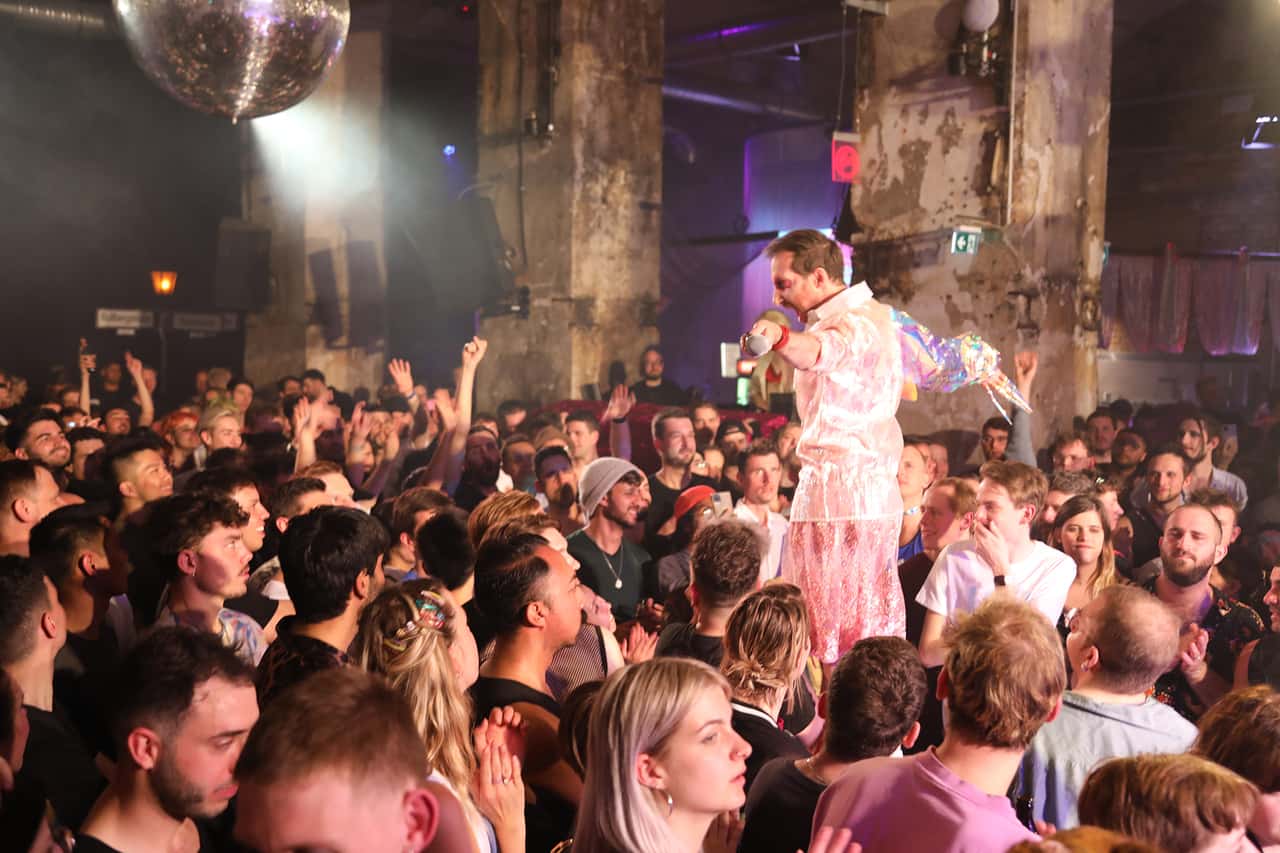
The Berghain room is associated with long sessions of techno, Detroit techno, and industrial sounds, while Panorama Bar articulates a more luminous reading of house, disco, and club music with greater vocal load. Säule added a floor for more experimental and flexible-format proposals, and the Garten operates seasonally for daytime sessions. Residents and figures linked to the club like Ben Klock, Marcel Dettmann, Steffi, Tama Sumo, Boris, Norman Nodge, or nd_baumecker helped fix an identity that does not depend on isolated headliners, but on artistic continuity and trust in the dancefloor. The Ostgut Ton label, started in 2005 and reactivated in 2025 after a pause, documented much of that language.
Privacy, sound, and present
Berghain maintains a very strict relationship with privacy: the no-photo rule and the use of stickers over mobile phone cameras seek to preserve a space where the audience does not act for the screen. Technically, the main room works with a Funktion-One system renewed in 2023, while Panorama Bar has a four-point Studt-Akustik system and six subwoofers installed in 2017. After the pandemic closure, the building hosted the Studio Berlin exhibition and resumed dance events in 2021. Currently, it operates with variable programming, from Klubnacht to concerts and Halle or Kantine formats, maintaining its position as one of the central institutions of European electronic music.
How to get to Berghain
Am Wriezener Bahnhof, 10243 Berlin, Alemania
Open in Google MapsS Ostbahnhof
S-Bahn · S3, S5, S7, S9 · 8 min walk
S Ostbahnhof
Bus · 140, 142, 147, 240, 300, 347, N40 · 8 min walk
Clubs related to Berghain

Berghain in the Magazine

Magazine· 14 Sept 2026
Manumission unveils the story of its highly anticipated return to Ibiza

Magazine· 28 Jul 2026
Gerd Janson and Marcel Dettmann: Their B2B set at Sónar 2026

TV· 24 Jul 2026
Sama Abdulhadi and the birth of techno in Palestine
See moreSee less

Magazine· 13 Jul 2026
Cocoon joins Amnesia's 50th anniversary this Sunday

TV· 10 Jul 2026
Colin Benders: From Orchestra Conductor to Modular Techno

Magazine· 30 Jun 2026
Davide Squillace reactivates This And That Lab with a new single
Magazine· 30 Jun 2026
Vince Watson: 5 studio lessons for techno

Magazine· 18 Jun 2026
Kobosil Leaves 44 Label Group: A New Stage in His Career
Magazine· 14 Sept 2026
Manumission unveils the story of its highly anticipated return to Ibiza
Magazine· 28 Jul 2026
Gerd Janson and Marcel Dettmann: Their B2B set at Sónar 2026
TV· 24 Jul 2026
Sama Abdulhadi and the birth of techno in Palestine
Magazine· 13 Jul 2026
Cocoon joins Amnesia's 50th anniversary this Sunday
TV· 10 Jul 2026
Colin Benders: From Orchestra Conductor to Modular Techno
Magazine· 30 Jun 2026
Davide Squillace reactivates This And That Lab with a new single
Magazine· 30 Jun 2026
Vince Watson: 5 studio lessons for techno
Magazine· 18 Jun 2026
Kobosil Leaves 44 Label Group: A New Stage in His Career