
Club
D-EDGE
Sao Paulo, Brazil
Biography of D-EDGE
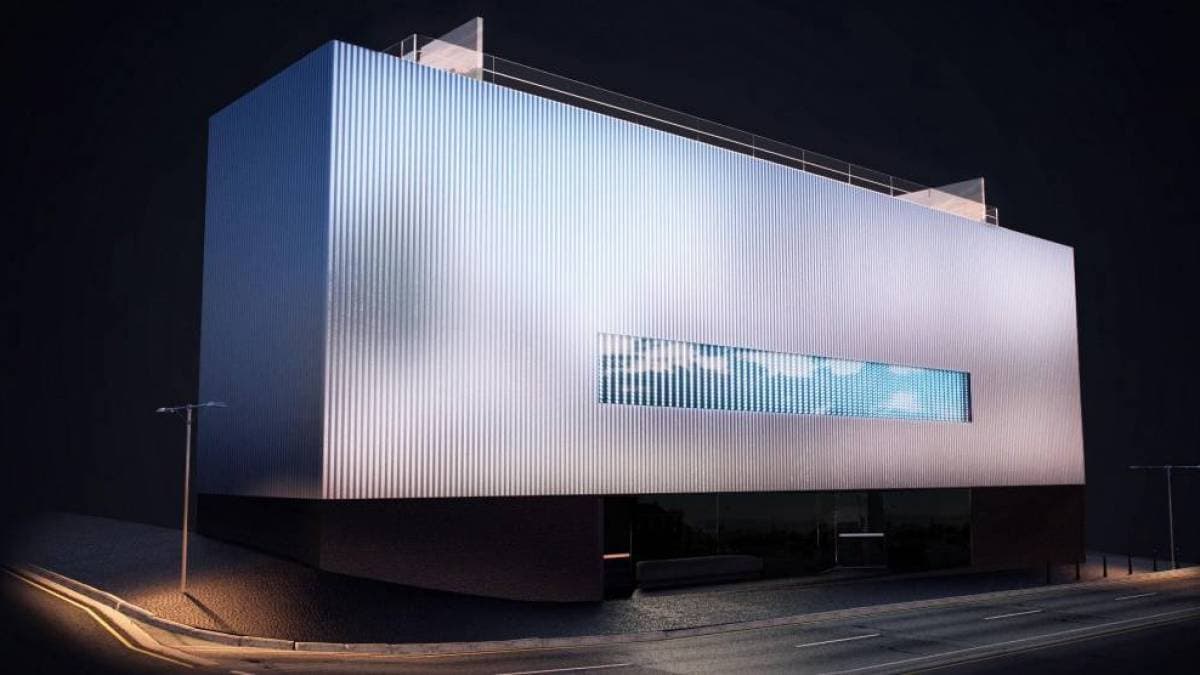
A light box in Barra Funda
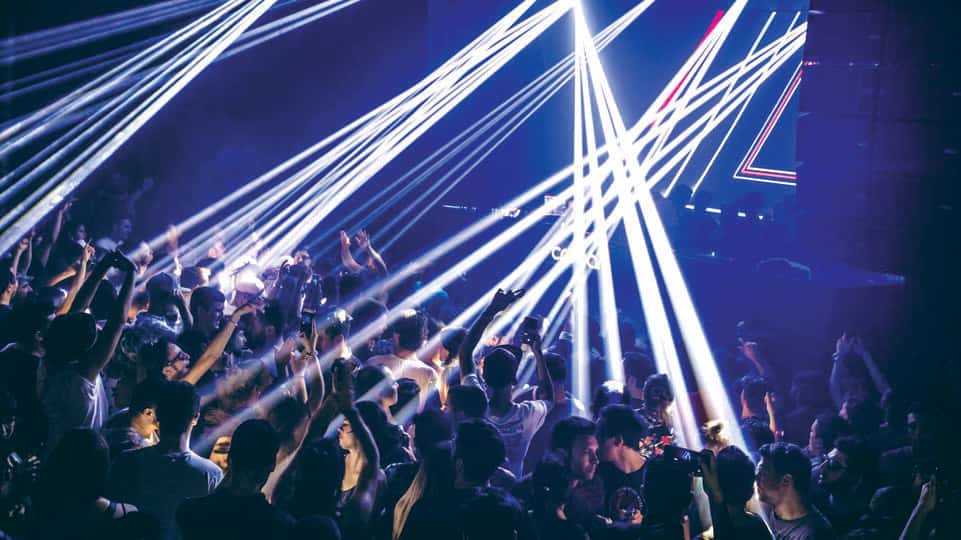
The most recognizable image of D-EDGE is that of a dance floor conceived as an audiovisual installation: lines, panels, and LED surfaces dialogue with the music until the room becomes a sensory machine. The club opened its doors in São Paulo in 2003, after the project was born a few years earlier in Campo Grande, and found in Barra Funda an ideal industrial territory to boost a new nightlife hub. Under the direction of Renato Ratier, the venue ceased to be just a clubbing address to become a Brazilian reference point for underground electronic music.
Architecture synchronized with the dance floor
The design by Muti Randolph, developed and expanded with Marcelo Pontes and Zemel + Chalabi Arquitetos, marked the venue's identity. The 2011 renovation and expansion connected the old black box with a multi-story volume, added a new dance floor, improved entry and exit circulation, incorporated more services, and opened a rooftop terrace with views of the Latin America Memorial. Inside, the club's language relies on wooden modules, asymmetrical geometries, and a visual system that synchronizes light, facade, and walls with the rhythm. That relationship between sound, LED, and architecture explains why D-EDGE has been studied in both music and design circuits.
House, techno, and nights with their own identity
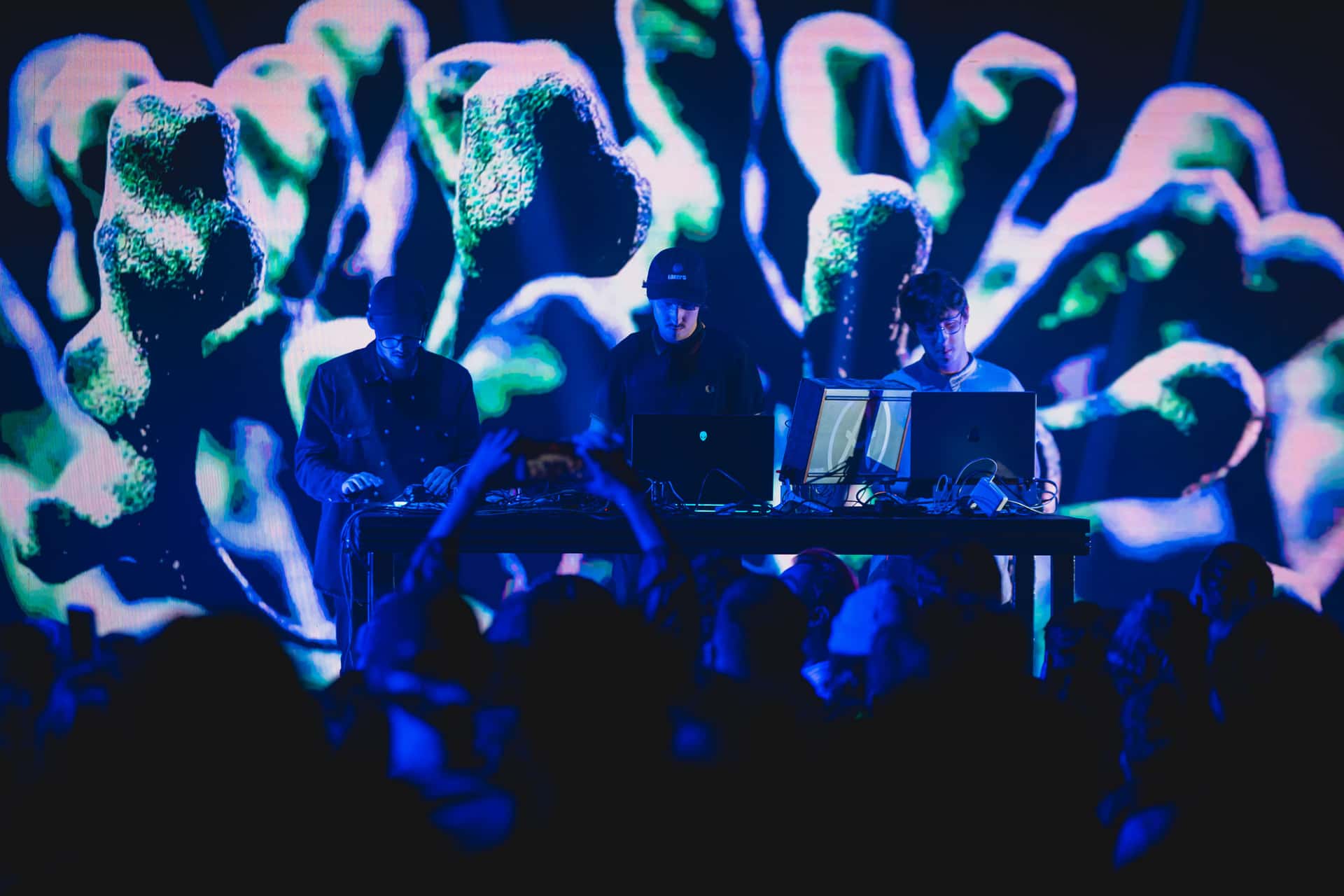
The programming has been built around house, techno, minimal, tech house, progressive, and other branches of dance music. Nights like Freak Chic, Moving, Nave, or Superafter function as programming frameworks for the venue, not as substitutes for the physical club, and have served to alternate residents, Brazilian talent, and international guests. Top-tier names from the global scene have passed through its booth, while Ratier himself has maintained the role of founder, artistic director, and resident DJ. The house also extended its ecosystem to D-EDGE Records, DJ College, and associated projects, reinforcing its role as a platform for electronic culture.
A long-running club
The current D-EDGE maintains a large-format nightclub structure, with 2 dance floors, a lounge, VIP areas, and a terrace. Its sound system combines a KW Audio and Funktion-One installation, with custom development for the main floor and enough power to sustain long early-morning sessions. The experience is based less on ostentatious luxury than on the precision of the dance floor: regulated entry, club crowd, weekly programming, and a futuristic aesthetic that remains recognizable. In the São Paulo scene, its value lies in having united historical continuity, radical design, and a sustained defense of underground club culture.
How to get to D-EDGE
Av. Mário de Andrade, 141 - Barra Funda, São Paulo - SP, 01156-001, Brasil
Open in Google MapsAv. Pacaembu, 469
Bus line(s): 175P-10, N202-11, 208M-10, 875P-10, 917M-10 · 175P-10, N202-11, 208M-10, 875P-10, 917M-10 · 2 min walk
Rua Mário de Andrade, 190
Bus line(s): N106-11, 177H-10, 177H-21, 719R-10, 978L-10 · N106-11, 177H-10, 177H-21, 719R-10, 978L-10 · 2 min walk
Av. Auro Soares de Moura Andrade 564 (Portão 11)
Bus line(s): N143-11, 148P-10, 178A-10, 179X-10, 399 · N143-11, 148P-10, 178A-10, 179X-10, 399 · 3 min walk
Palmeiras-Barra Funda
Metro line(s): Line 3-Red · Línea 3-Roja · 30 min walk
Palmeiras-Barra Funda
Train line(s): Lines 7-Ruby, 8-Diamond, 10-Turquoise, 11-Coral and 13-Jade · Líneas 7-Rubí, 8-Diamante, 10-Turquesa, 11-Coral y 13-Jade · 30 min walk