

Club
fabric
London, England, United Kingdom
Biography of fabric
Under Smithfield, the club as a sound machine
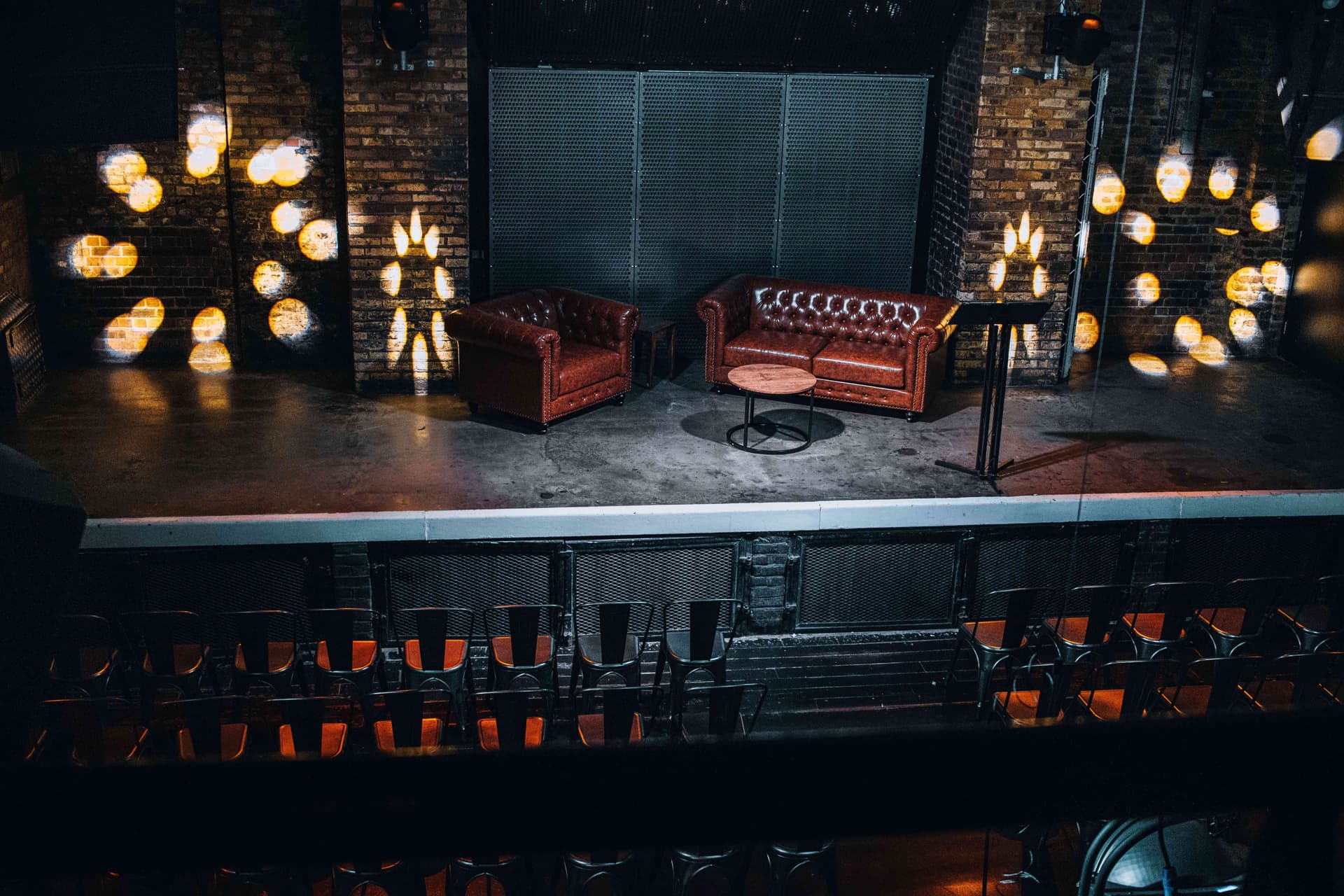
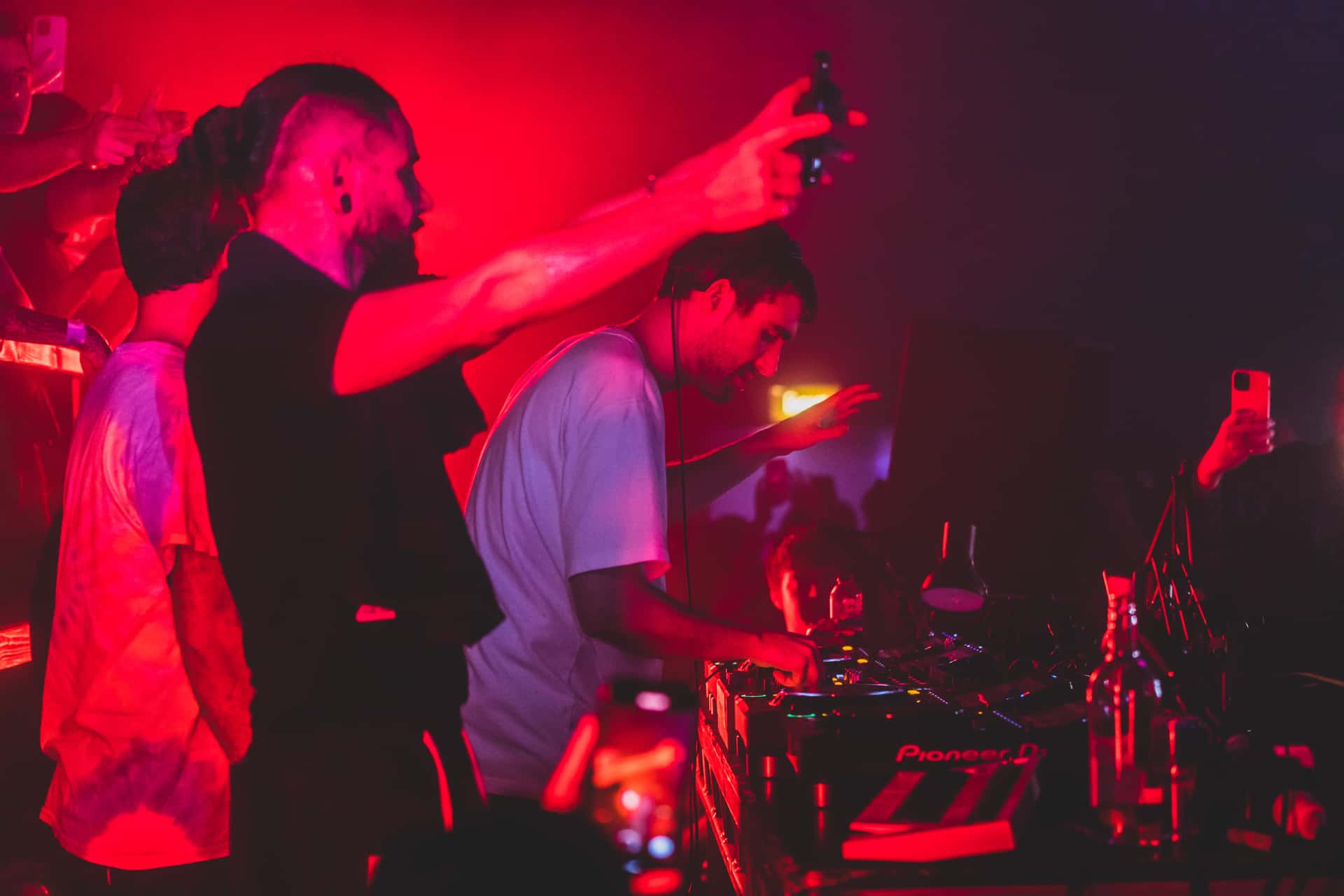
Under the brick arches of the old Smithfield cold storage warehouses, the fabric dance floor turned bass into a physical experience. Opened in 1999 by Keith Reilly and Cameron Leslie on Charterhouse Street, opposite the meat market, the club was born as a very concrete response to the rave culture of the end of the century: a permanent, underground space designed to listen to electronic music with rigor and not as simple night decoration. Its location in Farringdon connected it from the beginning with the nightlife pulse of London, but its identity was built more by architecture, acoustics, and the dance floor community than by external glitter.
Three rooms and a dance floor that is felt in the body
The distribution of fabric is articulated around three rooms with independent systems and a labyrinthine circulation, closer to an adapted industrial venue than a conventional nightclub. Room 1 is the symbolic core: there, the original Bodysonic dance floor made the sensation of low frequencies transmitted through the floor famous. That technology has evolved into the current BodyKinetic dance floor, renovated with Powersoft Movers transducers to reinforce the haptic response. The club maintains a historical relationship with Martin Audio, especially in Room 1, and has expanded its sound investment with custom NNNN Audio systems in Rooms 2 and 3, designed according to the geometry and materials of each room.
Programming with dance floor memory
The programming does not rely on a single aesthetic. Fridays alternate broad-spectrum electronics with the legacy of FABRICLIVE, oriented toward drum and bass, UK garage, dubstep, grime, and other British bass sounds. Saturdays function as the most classic axis of fabric, with house, techno, electro, minimal, and dub techno in dialogue with international guests and long-term residents. Names like Craig Richards and Terry Francis are part of the club's grammar, not as historical ornament, but as continuity of a way of programming based on selection, patience, and depth. Figures associated with extensive and high-demand sessions have also passed through the booth, from Ricardo Villalobos to Ben Klock or Seth Troxler.
Survival, own rules, and present
The recent history of fabric includes the 2016 crisis, when it temporarily lost its license and reopened after a public campaign and new security conditions. That episode reinforced its status as a cultural institution and not just a nightlife business. Currently, it remains active with weekly nights, extended events like Continuum, and a dance floor policy that favors immersion: access with ID, security checks, a focus on safe spaces, and a no-photo policy that seeks to protect privacy and concentration. Its value within European club culture comes from that combination that is difficult to replicate: raw architecture, tactile sound, demanding programming, and a community that understands the dance floor as a place for collective listening.
How to get to fabric
77A Charterhouse Street, London EC1M 6HJ, United Kingdom
Open in Google MapsFarringdon
Metro and train station/line(s): Circle, Hammersmith & City, Metropolitan, Elizabeth line and Thameslink · Circle, Hammersmith & City, Metropolitan, Elizabeth line y Thameslink · 4 min walk
Barbican
Metro station/line(s): Circle, Hammersmith & City and Metropolitan · Circle, Hammersmith & City y Metropolitan · 6 min walk
Chancery Lane
Metro station/line(s): Central · Central · 10 min walk
Charterhouse Street
Bus station/line(s): 17 · 17 · 2 min walk
Farringdon Station
Bus station/line(s): 40, 63, 341 and N63 · 40, 63, 341 y N63 · 4 min walk
Clubs related to fabric

fabric in the Magazine
Magazine· 25 Aug 2026
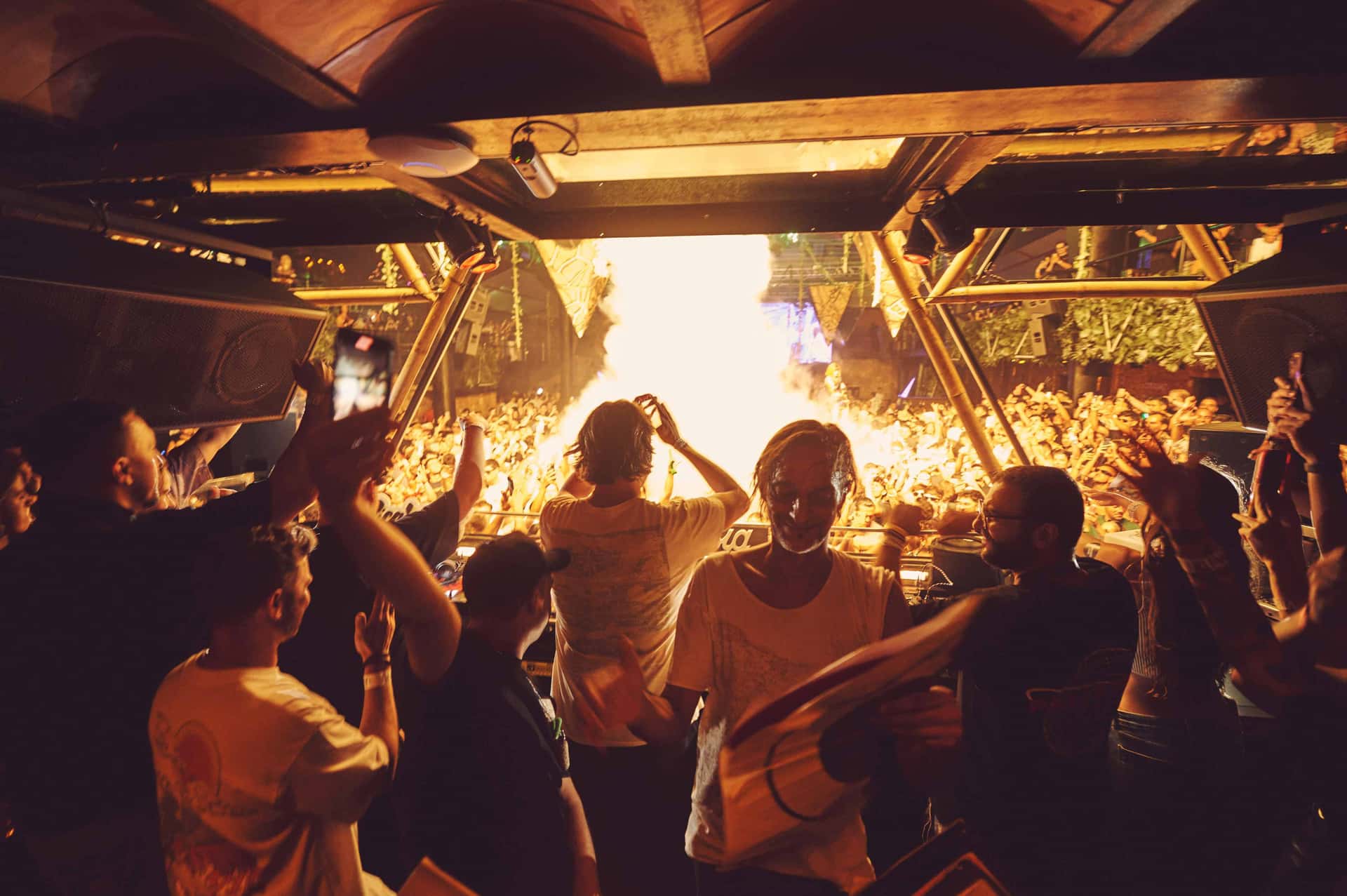
Enjoy the last Pyramid of the month of August
Magazine· 18 Aug 2026
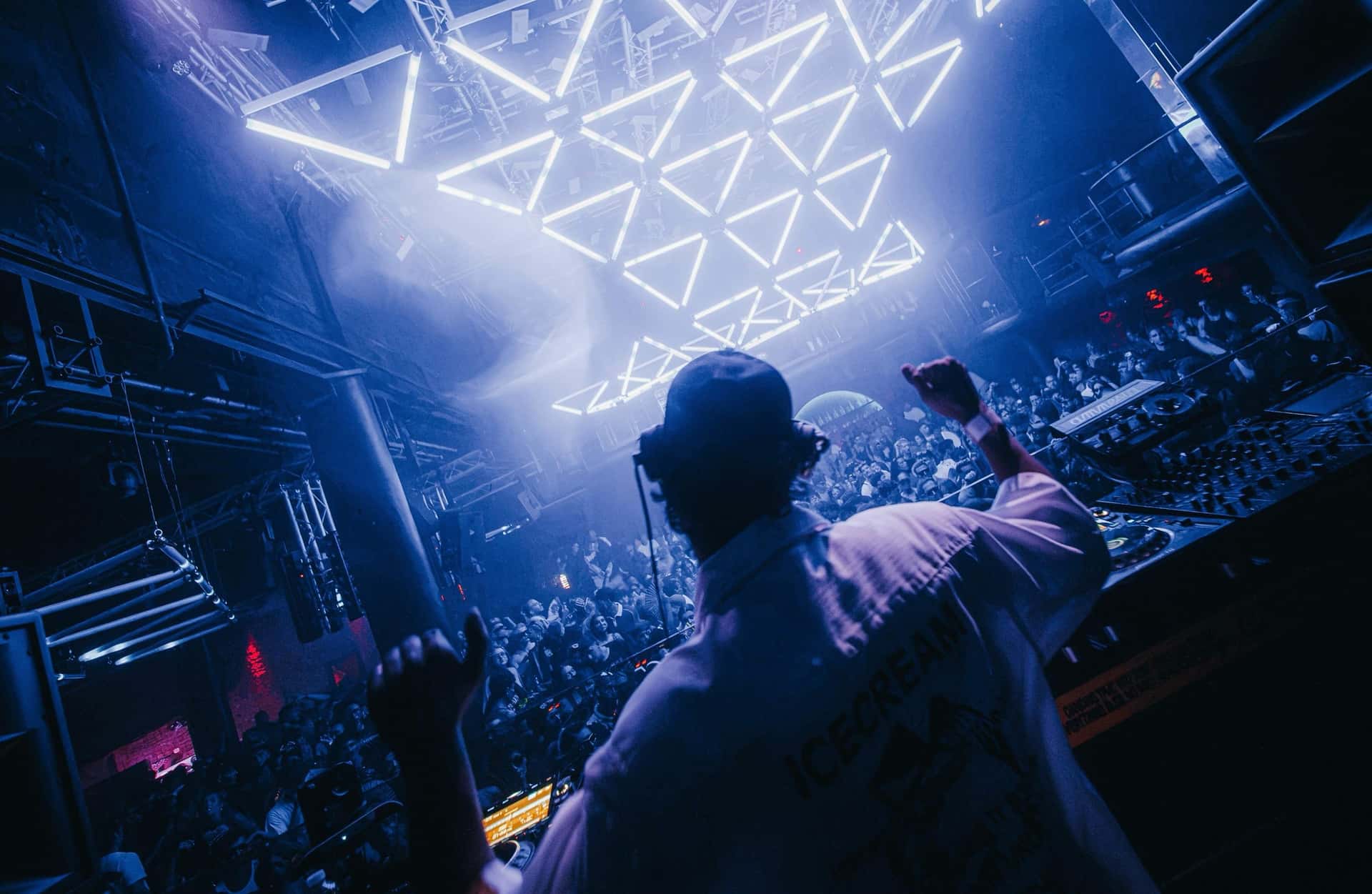
Pyramid Ibiza invites you to Amnesia this Sunday

Magazine· 12 Aug 2026
Houghton Festival 2026: Woman passes away at the event
See moreSee less
Magazine· 12 Aug 2026
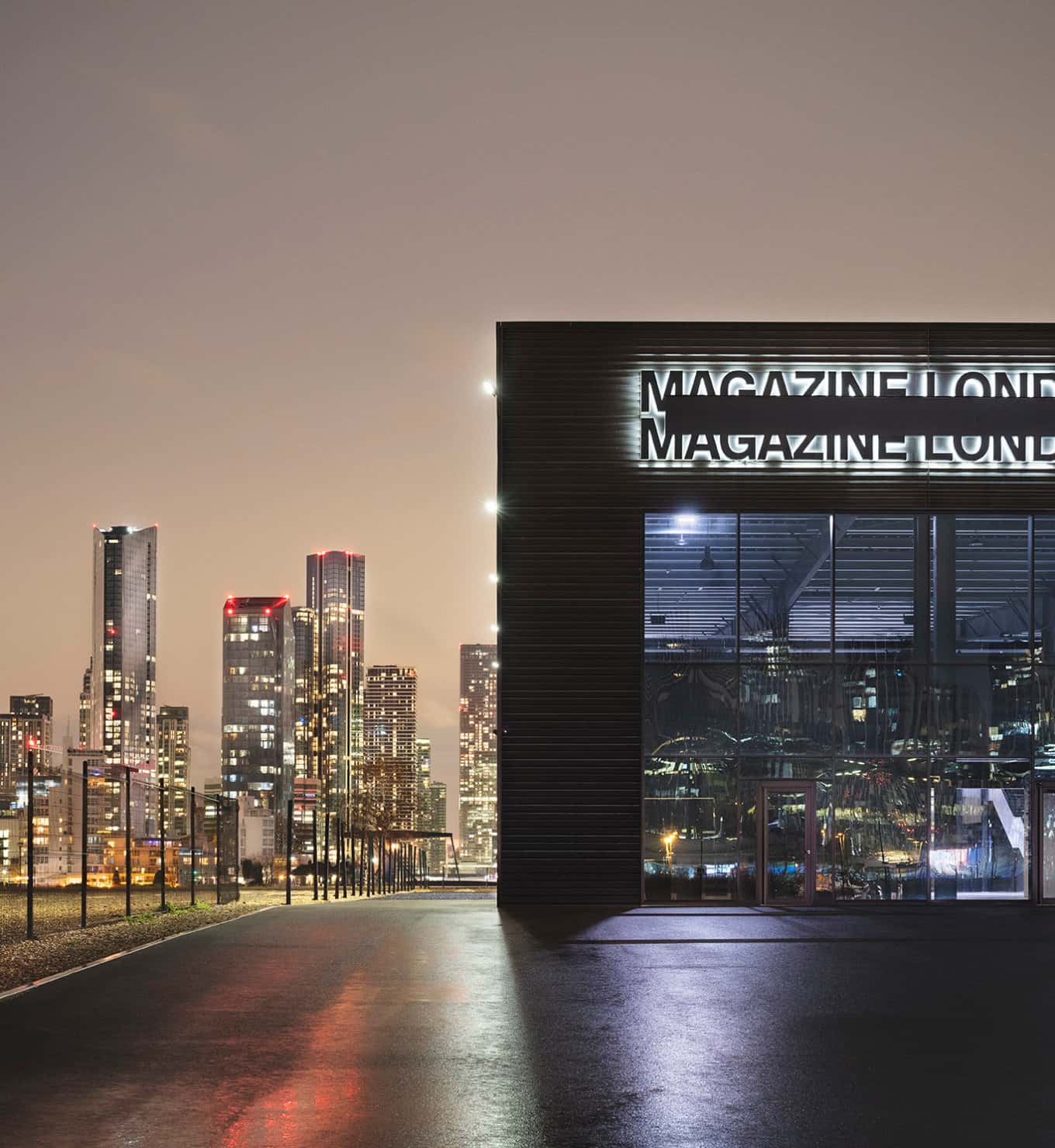
Josh Baker and Max Dean: Epic B2B at Magazine London
Magazine· 7 Aug 2026
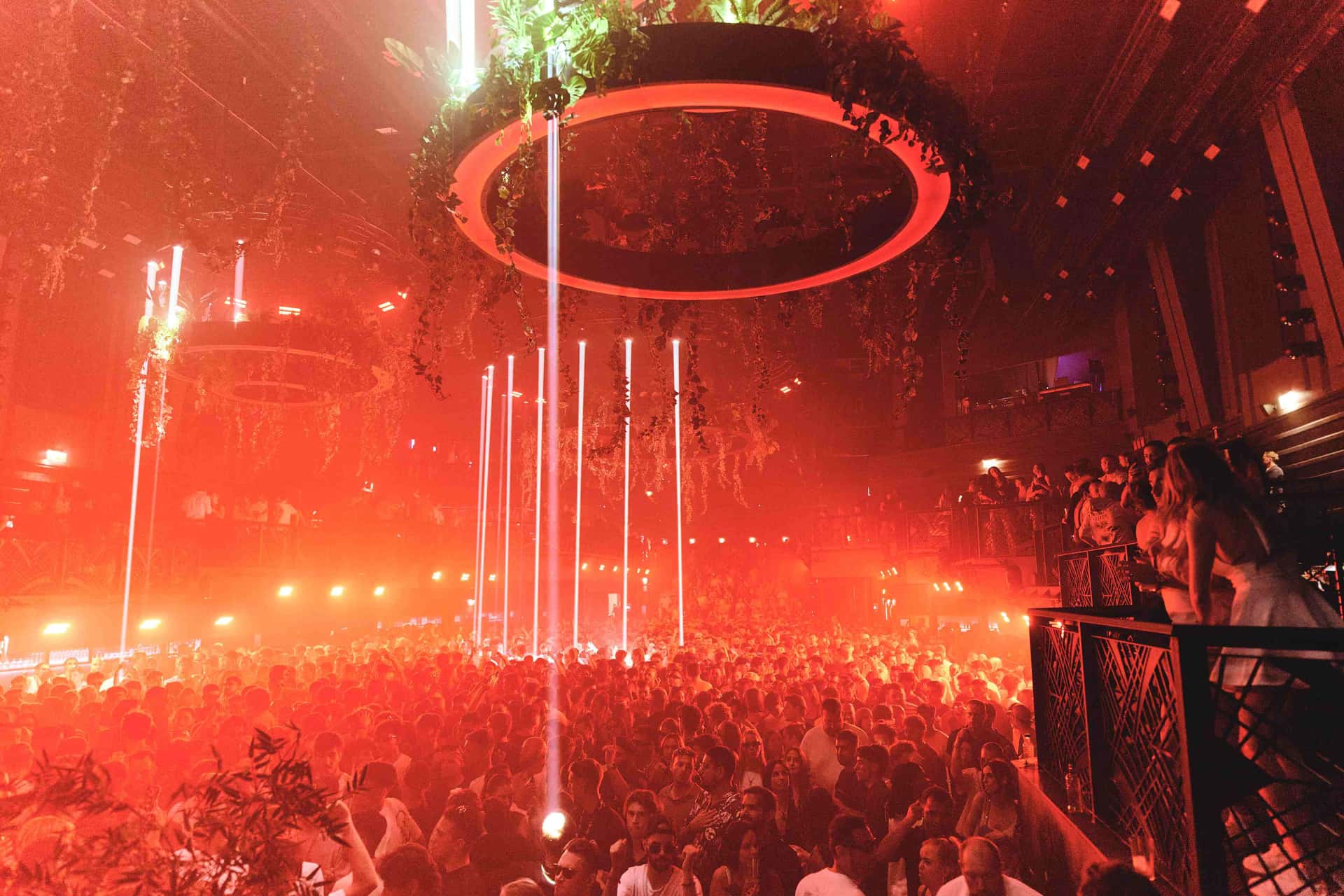
This Wednesday at Paradise Ibiza: Jamie Jones b2b Franky Rizardo b2b Loco Dice

Magazine· 25 May 2026
Harvey McKay passes away: Mourning in Drumcode and global techno

Magazine· 2 Mar 2026
Ableton Live without a mouse: The new physical controllers that transform the DAW into a 100% tactile instrument

TV· 1 Oct 2024
Edu Imbernon: International Success and the Imbermind Project
Magazine· 25 Aug 2026
Enjoy the last Pyramid of the month of August
Magazine· 18 Aug 2026
Pyramid Ibiza invites you to Amnesia this Sunday
Magazine· 12 Aug 2026
Houghton Festival 2026: Woman passes away at the event
Magazine· 12 Aug 2026
Josh Baker and Max Dean: Epic B2B at Magazine London
Magazine· 7 Aug 2026
This Wednesday at Paradise Ibiza: Jamie Jones b2b Franky Rizardo b2b Loco Dice
Magazine· 25 May 2026
Harvey McKay passes away: Mourning in Drumcode and global techno
Magazine· 2 Mar 2026
Ableton Live without a mouse: The new physical controllers that transform the DAW into a 100% tactile instrument
TV· 1 Oct 2024
Edu Imbernon: International Success and the Imbermind Project