Biography of Moodymann
The dirty groove that Detroit keeps for itself
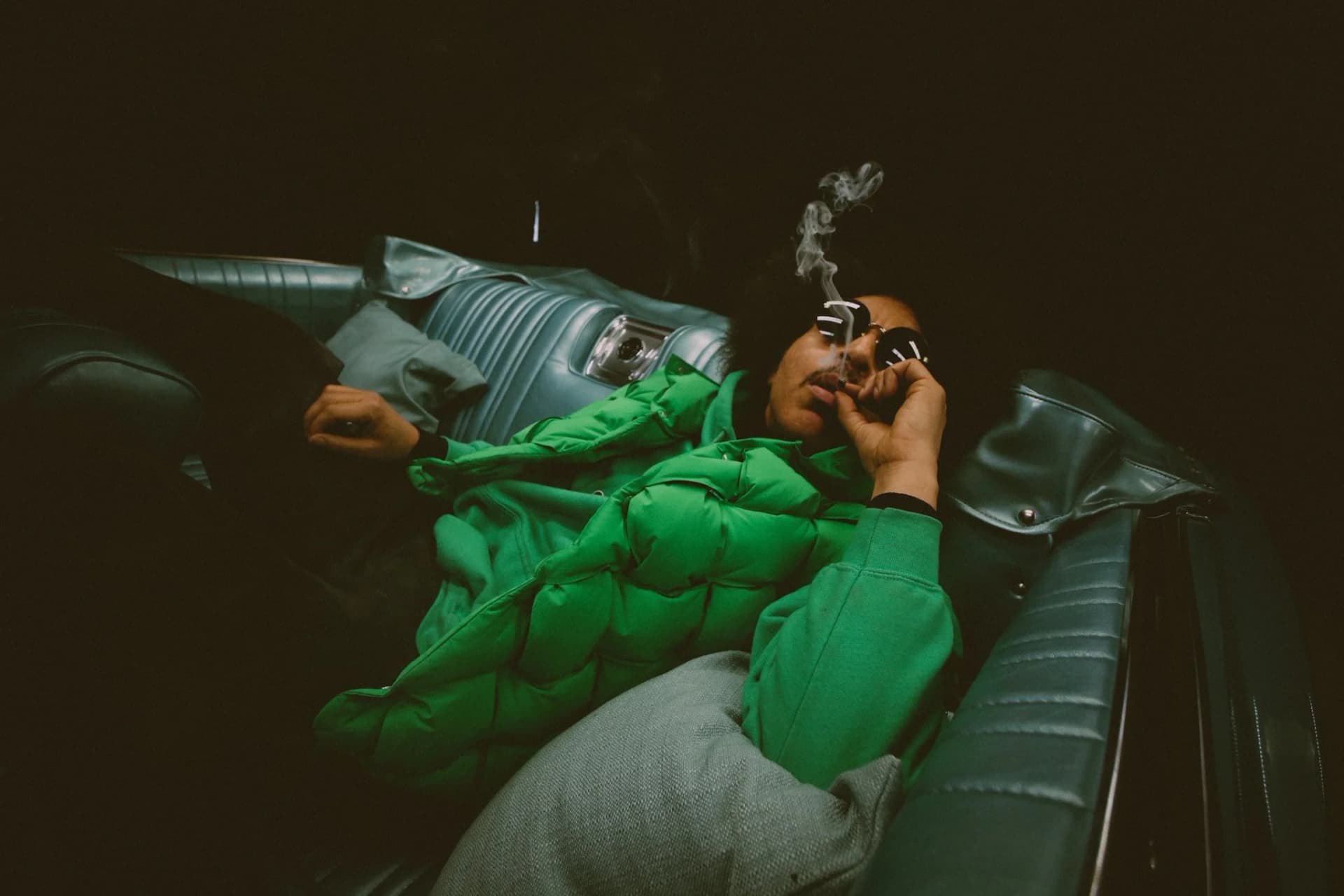
In the roller rinks of Detroit, the sound of Moodymann is understood more as a neighborhood party than as festival merchandise. His deep house—crossed with Detroit techno, soul, funk, and gospel—insists on something unusual in global electronic music: that the dance does not erase the black roots of the genre. Samples of Stevie Wonder, Marvin Gaye, or Chic are not decoration; they are lineage. And his sets, often with his face covered, a drink in the booth, and the microphone on, function like an open house: he serves drinks, talks to the dance floor, and mixes without haste.
KDJ Records and the impact of Silentintroduction
Before signing house music, he sold hip hop beats in the city—also as Mr. House—and DJed as a resident at the Outcast Motorcycle Club. In 1994, he founded KDJ Records with the Moody Trax EP. Then came The Day We Lost the Soul, a tribute to Marvin Gaye, and the classic I Can't Kick This Feelin When It Hits, built on Chic's I Want Your Love. In 1997, Carl Craig's Planet E Communications released Silentintroduction, a compilation of those vinyls that set a standard for dirty, jazzy, and spoken-word house. This was followed by Mahogany Brown (1998), Forevernevermore (2000), and, on Peacefrog, major pieces like Silence in the Secret Garden (2003) and Black Mahogani (2004).
Mahogani Music, 3 Chairs, and the Soul Skate wheels
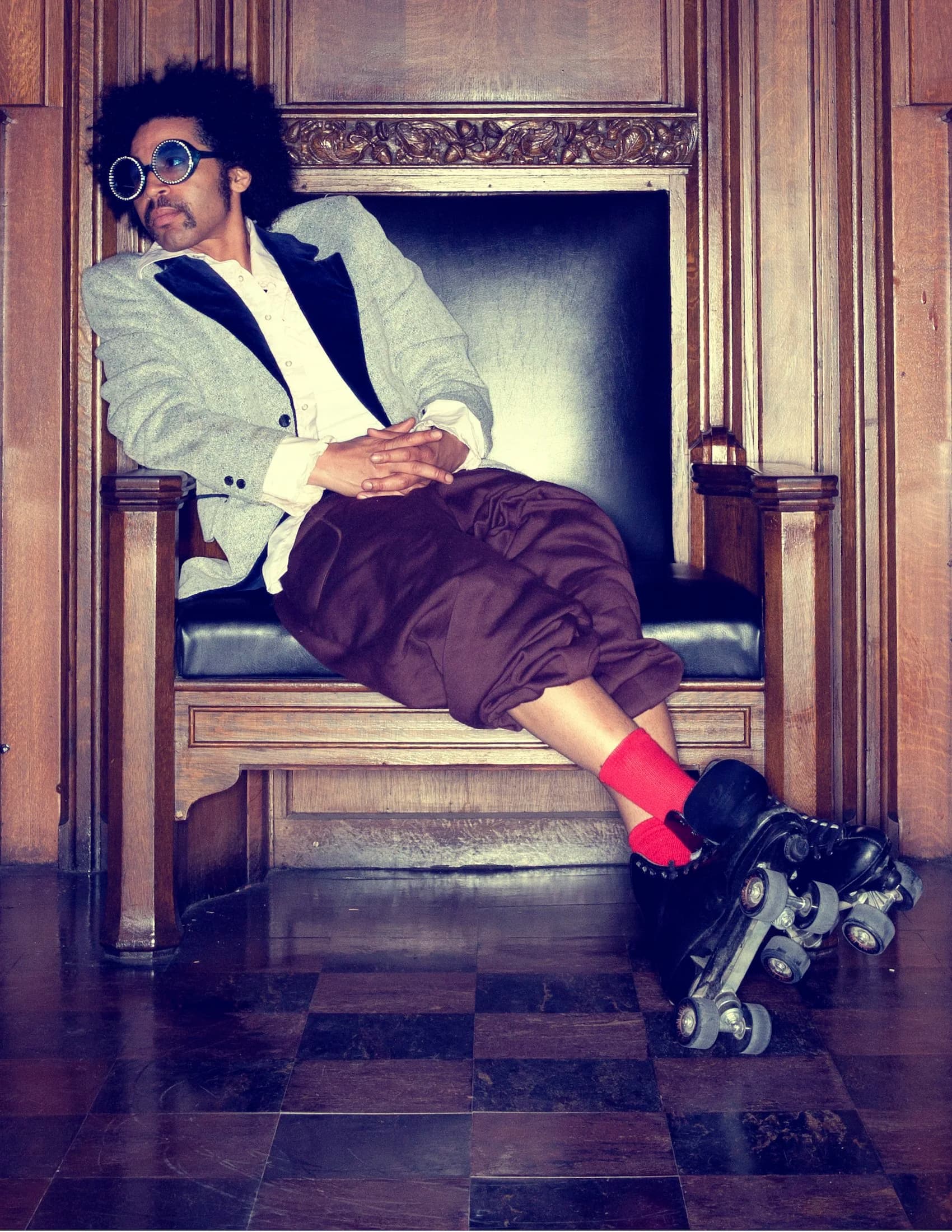
With Mahogani Music, he opened a label for other artists from Detroit and its surroundings, without ceding control to major record labels: every KDJ release passes through his hands. In 3 Chairs, he shares a project with Theo Parrish and Rick Wilhite: dirty soul, jazz, and blues in a collective format. Since 2007, he has organized Soul Skate, a biannual skating party in Detroit—documented by Dazed in 2018—and in 2010 he brought it to London with the Red Bull Music Academy. In the booth, he has appeared at Sónar and Dekmantel more as a host than as a headliner on a flyer: classics, Prince, disco, and house, with the audience treated like guests in his home.
DJ-Kicks, Taken Away, and the persona that doesn't sell out
The DJ-Kicks volume (2016) condensed his eclecticism: soul, disco, house, and rarities with no rush in tempo. The self-titled 2014 album, Sinner (2019), and Taken Away (2020) extended that intimate chronicle of the city; the latter arrived after he himself recorded an incident with the Highland Park police on his property. In December 2020, he appeared as a character—and DJ of the Music Locker club—in Grand Theft Auto Online, and later as KDJ in a game update. Remixes like the one for Dua Lipa's Break My Heart (2020) do not change the framework: he continues to avoid the interview circuit, defending Detroit as his home and letting the vinyl, not the brand, do the work.