
Biography of Tiga
An agitator turned institution
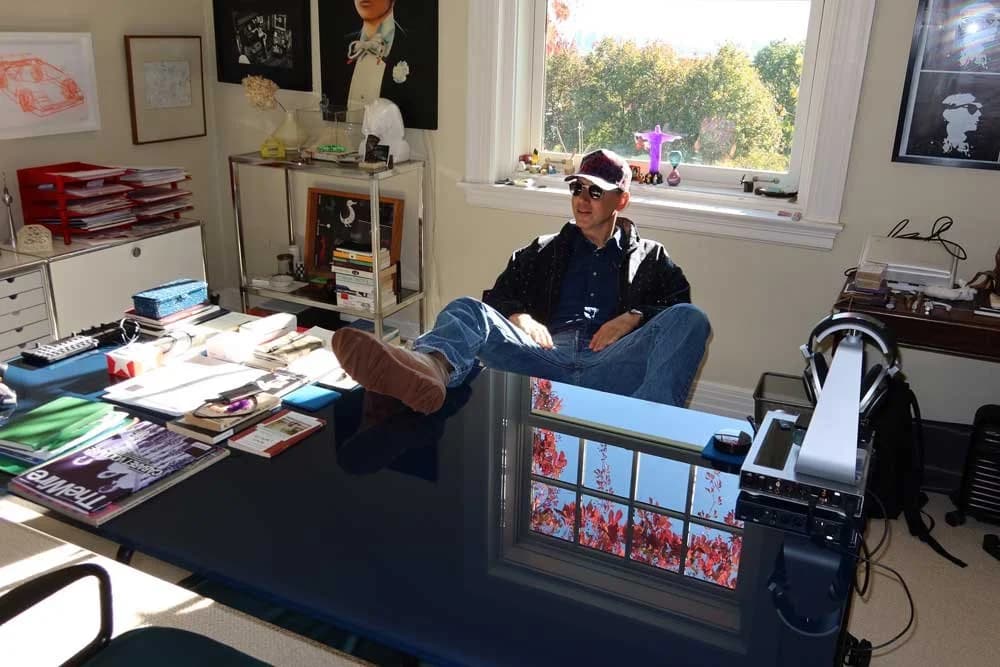
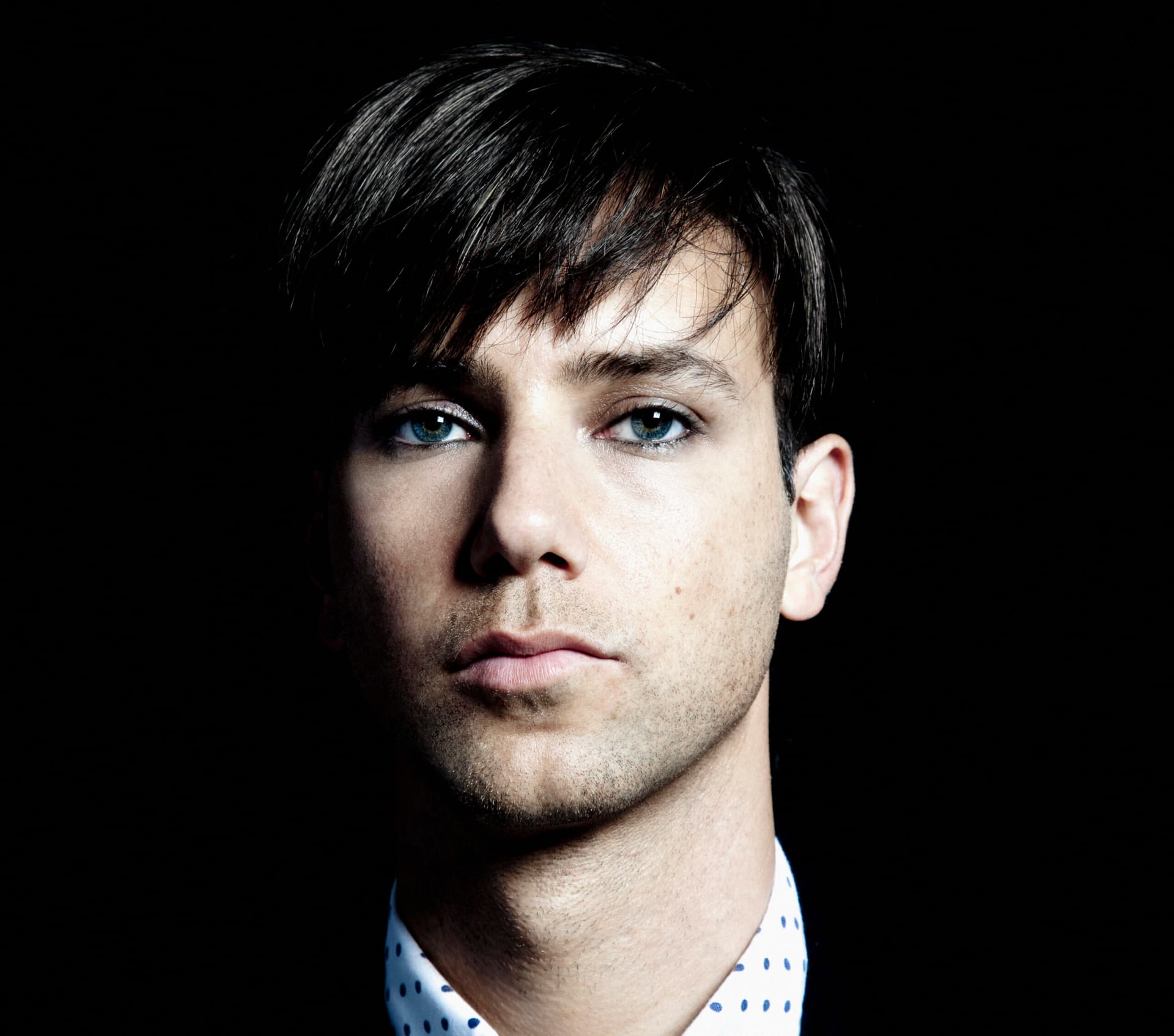
Few trajectories have bridged the dance floor, dry humor, and scene-building as naturally as Tiga's. His bond with club culture began during his youth in Goa, India, and took shape upon his return to Montreal in the early nineties. There, he promoted parties, launched DNA Records, participated in the creation of the club Sona, and helped consolidate the local electronic scene. In 1998, he founded Turbo Recordings, a label that would serve as a platform for his work and a radar for artists such as Chromeo, Azari & III, Gesaffelstein, Duke Dumont, ANNA, and Charlotte de Witte.
Pop songs inside a techno machine
His signature sound is born from a recognizable tension: acid basslines, dry percussion, and club functionality on one side; vocals, choruses, and theatrical personality on the other. His international breakthrough came in 2001 with his version of Sunglasses at Night, recorded with Jori Hulkkonen as Tiga & Zyntherius and turned into an electroclash anthem. He later expanded that vocabulary with Pleasure from the Bass, You Gonna Want Me, Shoes, Mind Dimension, and Bugatti, as well as remixes for The xx, LCD Soundsystem, Moby, Depeche Mode, and Justice. His mixes for DJ-Kicks, Resident Advisor, and Live at Robert Johnson reflect the same balance between rigor, surprise, and narrative.
Records, partnerships, and the Turbo laboratory
His debut full-length Sexor appeared in 2006 and won the Juno Award for Dance Recording of the Year the following year. It was followed by Ciao! in 2009 and No Fantasy Required in 2016, records that reinforced his position between house, techno, and electro without erasing his vocation as a songwriter. He also developed TGV with Mateo Murphy, ZZT with Zombie Nation, and The Dove with Jesper Dahlbäck, and collaborated recurrently with Soulwax and Matthew Dear. In 2023, he released L'Ecstasy with Hudson Mohawke, a joint album oriented toward synthetic pop, frontal emotion, and club architecture.
HOTLIFE, a return without nostalgia
On April 17, 2026, he released HOTLIFE, his fourth solo album and his first in a decade, via Turbo Recordings and Secret City Records. Its twelve tracks gather contributions from Boys Noize, Fcukers, MRD, Maara, Matthew Dear, Gesloten Cirkel, Paranoid London, Priori, and Patrick Holland, yet they retain an unmistakable authorial voice: muscular grooves, phrases turned into mantras, and irony without loss of energy. The release coincided with a performance on the Quasar stage at Coachella and an extensive international tour. More than three decades after his first parties in Montreal, Tiga maintains a unique position: DJ, producer, singer, and label head capable of connecting the techno underground with pop memory without sounding retrospective.
Entities related to Tiga



DJs related to Tiga


Tiga in the Magazine
Magazine· 1 Sept 2026
Dantz Festival 2026: 10 years of electronic music in Donostia

Magazine· 23 Aug 2026
Supernova renews at Las Dalias and Akasha for 2026

Magazine· 12 Aug 2026
Dantz Festival 2026: 10 years of electronic music in Donostia
See moreSee less
Magazine· 1 Sept 2026
Dantz Festival 2026: 10 years of electronic music in Donostia
Magazine· 23 Aug 2026
Supernova renews at Las Dalias and Akasha for 2026
Magazine· 12 Aug 2026
Dantz Festival 2026: 10 years of electronic music in Donostia

Magazine· 27 Jul 2026
Chris Lake and Tiga release 'Party Time' on Black Book

Magazine· 9 Jul 2026
Etienne de Crécy: 30 Years of Super Discount in Paris

Magazine· 12 Jun 2026
Ben Sims headlines the closing of Dantz Festival 2026