Venue
Plaza de Toros de Valladolid
Valladolid, Spain
Biography of Plaza de Toros de Valladolid
A brick drum on Paseo de Zorrilla
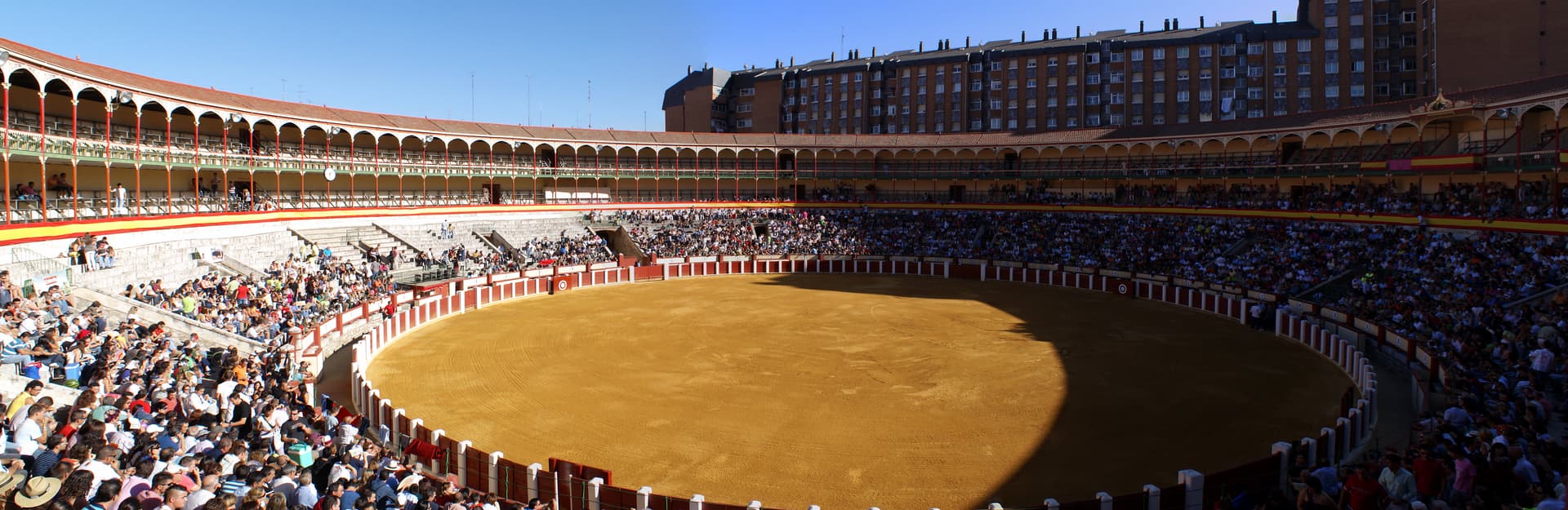
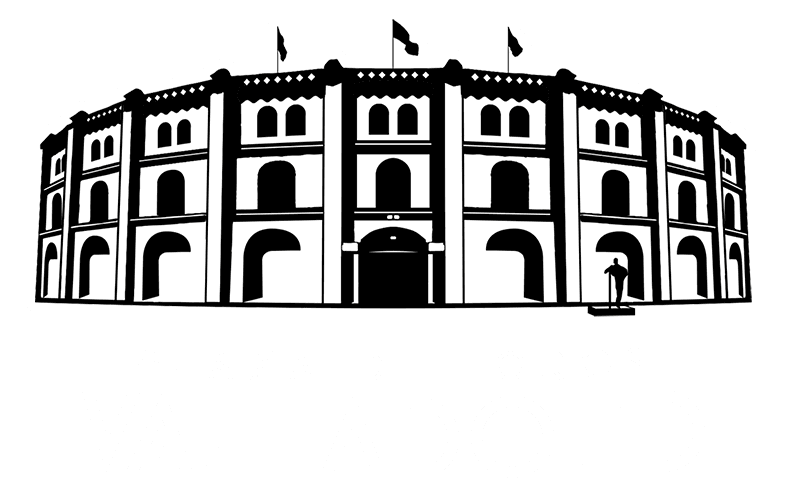
On Paseo de Zorrilla, the Coso de Zorrilla is recognizable from afar: a fifty-sided polygonal drum, three floors, and a brick facade on a stone base, with Neo-Mudéjar and Romanesque-accented semicircular arches. It was designed by architect Teodosio Torres between 1888 and 1890, with a steel and cast-iron structure from the Valladolid workshops Hermanos Gabilondo. Contemporaries described it as a monumental, airy, and pleasant building, designed to give the city a stable venue worthy of its fairs.
The first parade and an open-air ring
The bullring was inaugurated in September 1890 with bulls from the Marquis of Saltillo and a classic trio: Lagartijo, El Espartero, and Guerrita. The first bull that jumped into the sand was named Aguilillo; its stuffed head is kept in the offices. The ring, about fifty meters in diameter, is wrapped by fifteen rows of stone seating, lower stands, and, above, boxes and high stands topped with cresting, where the presidential box is located. The building was born with an infirmary, bar, corrals, holding pens, stables, and three access doors from the street.
Two fairs and a sand ring that also opens to the dancefloor
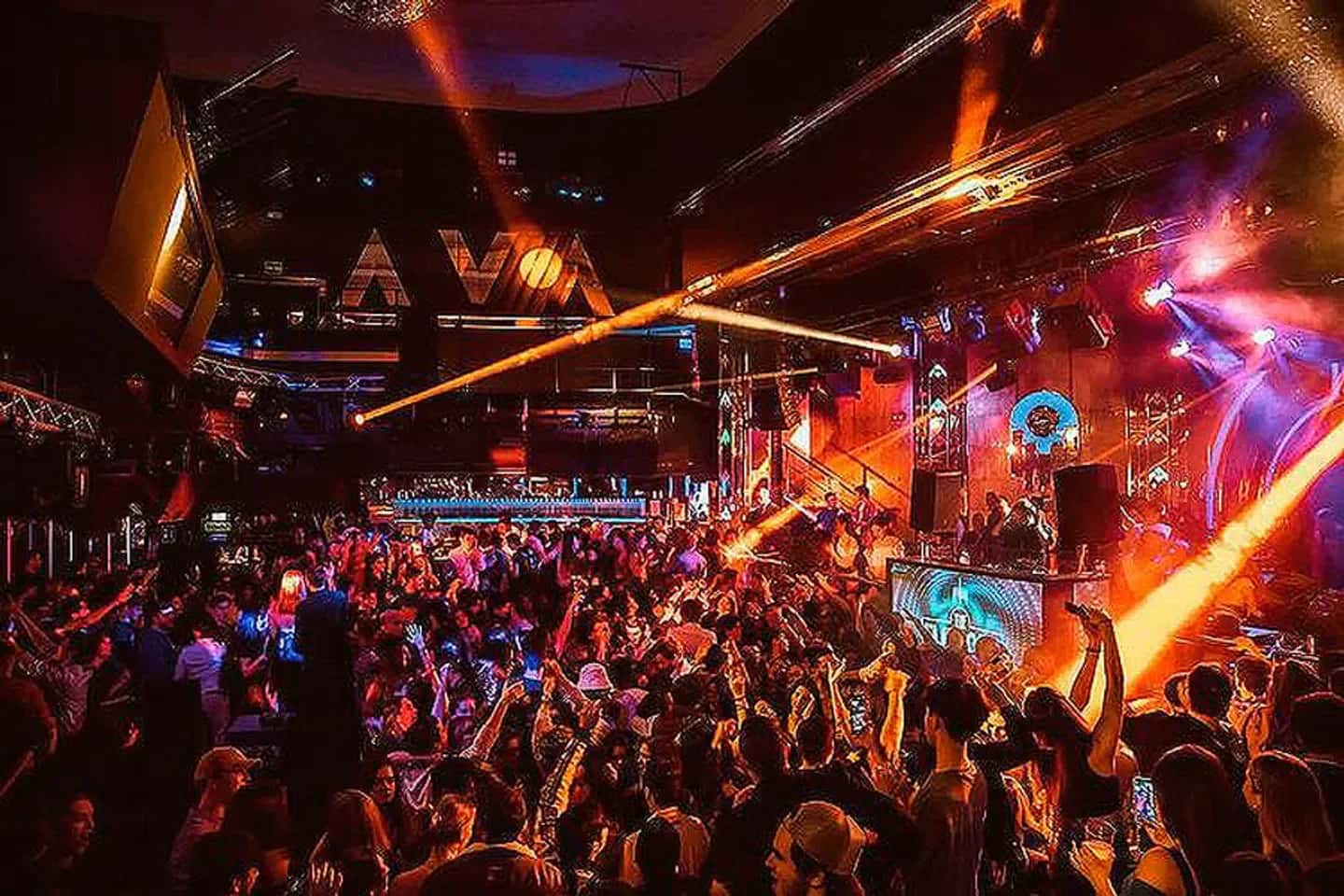
Administratively, it is a second-category bullring. Since 1956, it has been owned by the family of Emilio Ortuño Jumillano, who bought the Sociedad Taurina de Valladolid. Since 2022, it has been operated by Tauroemoción, with the task of also programming cultural and musical events outside of bullfighting cycles. The stable calendar revolves around the San Pedro Regalado fair in May and the Virgen de San Lorenzo fair in September. In parallel, the open-air ring has functioned as a mass stage: in 1992, Hombres G, Los Secretos, Modestia Aparte, and Los Limones performed there, and Mecano closed the Aidalai tour there, their last concert. Decades later, rock and pop from Miguel Ríos and Il Divo have returned, along with dancefloor parties like El Cristongo, Molan los 2000, and Molan los 90, with eurodance, remember, electrolatino, and reggaeton under the brick ring. There is no resident club night: when there is a production, the bullring becomes an open-air concert and dance venue.
Corrals, chapel, and a visitable bullring
Beyond the seating, the internal map of the building is preserved: loading dock, vintage scale, corrals, bull pens, alleyway, chapel—with San Pedro Regalado and the Virgin of San Lorenzo—and an infirmary with an operating room. On the esplanade, there are sculptures of the Valladolid bullfighter Fernando Domínguez and the Arco de Toros ensemble by Carmen Rabanal Tablada. In 1997, it was renovated for safety, with a fireproof roof and wider corridors and stairs. Today, periodic guided tours of these facilities are offered. The public enters according to the lineup: fairs, concerts, or dancefloor sessions, without a fixed nightclub schedule.