
Venue
Sala O Túnel
A Coruna, A Coruña, Spain
Biography of Sala O Túnel
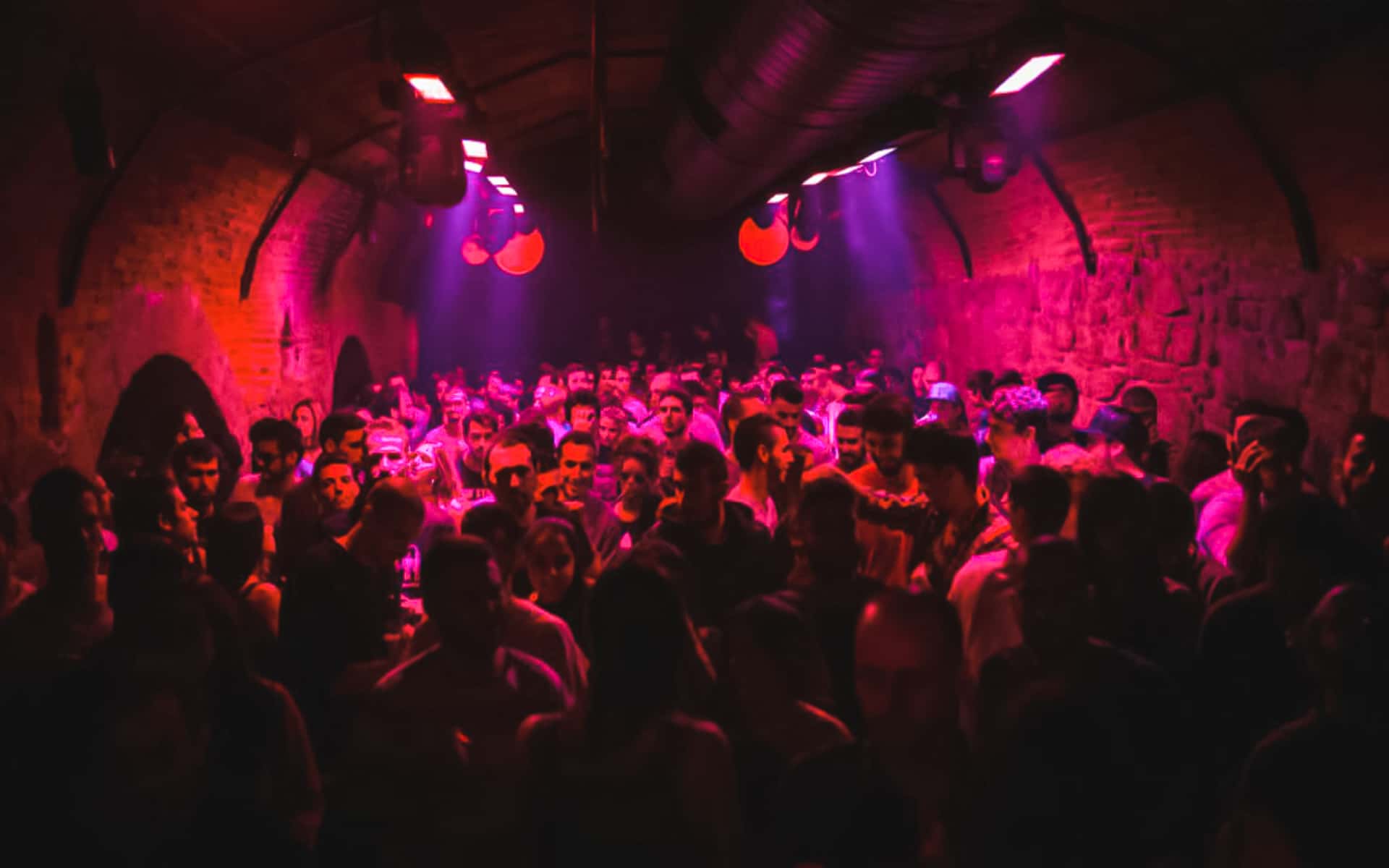
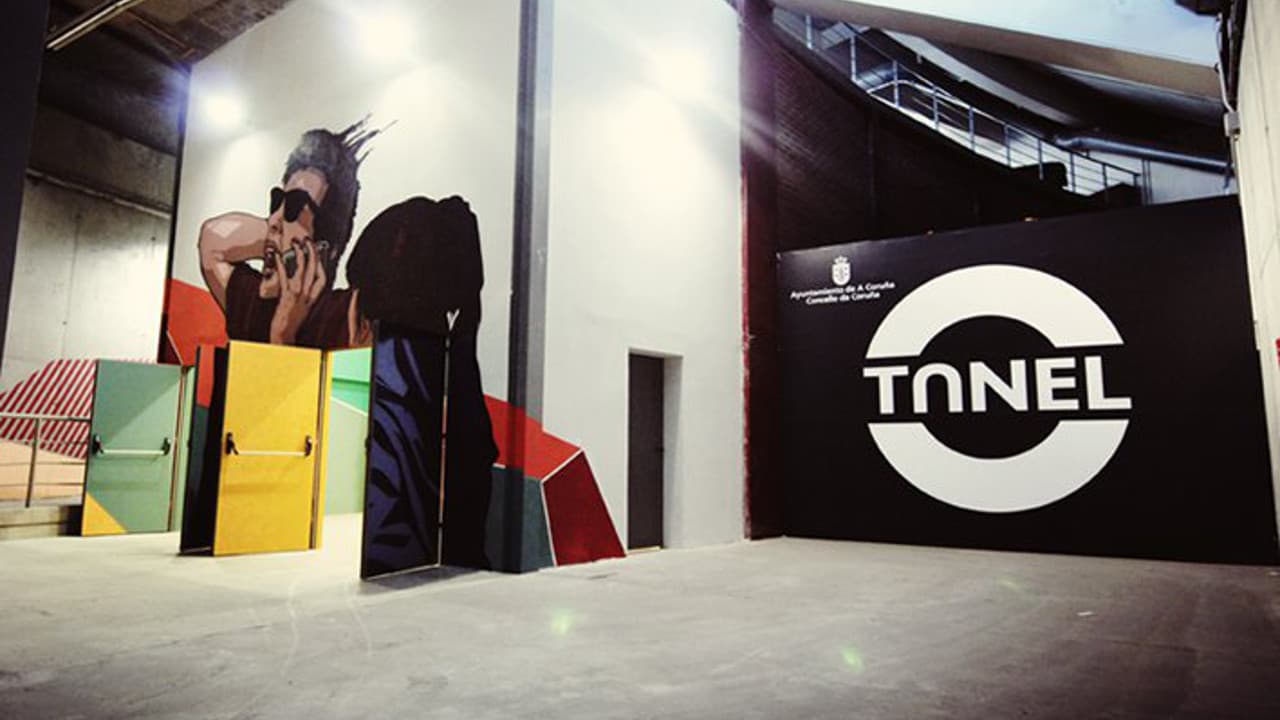
Under the concrete canopy of the Coliseum, in the old warehouses and booths of Alfonso Molina, the A Coruña City Council opened a space in April 2010 that the city lacked. O Túnel was born for amplified proposals of a minority nature: standing audience, a capacity of 500 people, and a human-scale dance floor right under the large venue.
The size that was missing between the theater and the macro-concert
When the works were announced, the director of the Coliseum, Javier Rodríguez, said it bluntly: concerts of that magnitude ended up in theaters where you couldn't dance, and private clubs didn't cover the entire circuit. The new municipal hall did not want to be a bar, but a public platform for local bands and for names that needed a solvent venue without filling the Coliseum. The first stable season, which closed in May 2011, left eloquent numbers: fifty groups and more than 5,000 attendees. Thirty-three of those groups were Galician and twenty-eight were from A Coruña. Lamatumbá, Loretta Martin, Pülsar, The Money Makers, or Os Diplomáticos de Monte Alto shared the bill with Entombed, Reincidentes, Sex Museum, or Kase.O. In 2012, after a year of interrupted programming, councilwoman María Xosé Bravo —the promoter of the space— reclaimed it as a pole of attraction for the independent scene. The venue reopened and has not stopped being, since then, the city's mid-sized hall.
Electronic bastion: where the Fanzine Fest ends the night
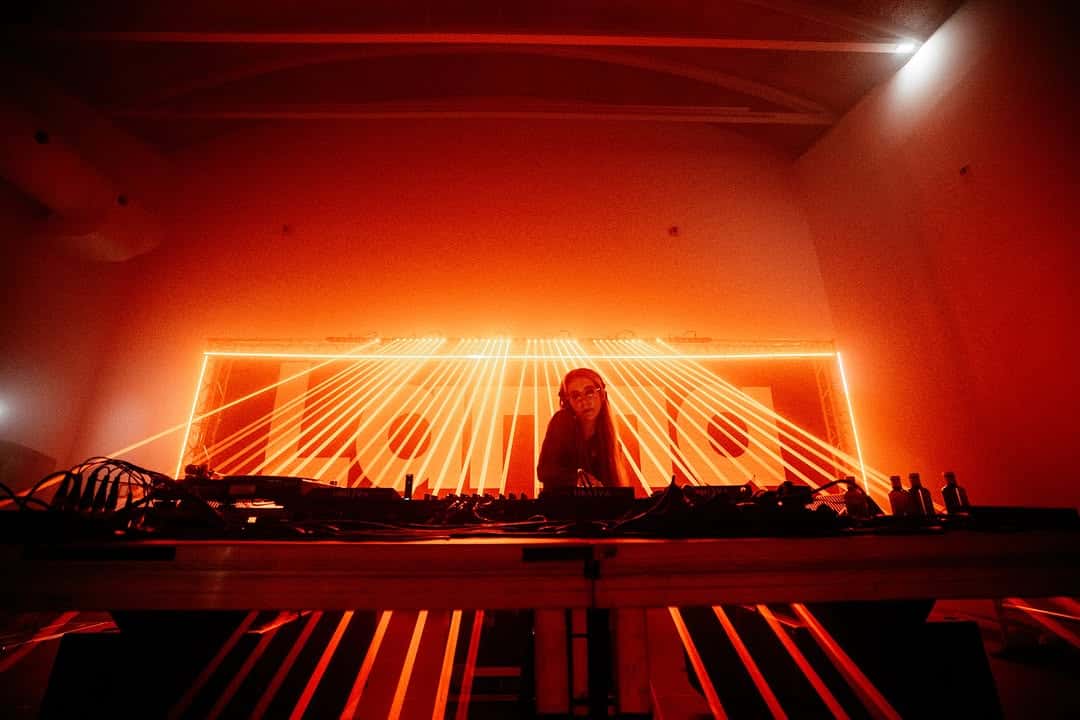
The most characteristic dance floor story of O Túnel is electronic. The Fanzine Fest by Roi Grobas and Pablo Cubeiro was born here in 2015 as a single day of Galician artists. A decade later, the festival occupies a planetarium, museums, and a church, but it continues to end in this hall: from 18:00 to 03:00, with lives, DJ sets, and visuals, in a club atmosphere. Steffi, Samuel Kerridge, Levon Vincent, Convextion, Orphx, Plant 43, or The Horrorist have closed the edition under the Coliseum, together with the Galician scene. The organization calls it its bastion and the space where it all started. It is not a nightclub with a daily calendar; it is the municipal venue that the A Coruña electronic scene chose as its dance home.
Hardcore, sound systems, and a single nave
The other calendar that has made this dance floor a trench is the 981 United, a hardcore and extreme metal festival that has been sweating here for more than ten years and which in 2026 celebrates its thirteenth edition. On d Bass, from the Negus association, has brought Galician and inclusive sound systems, with handcrafted equipment like SoundKilla. The hall is a nave with a stage, bar, and merchandising; next to it are the municipal rehearsal rooms. The box office opens two hours before each session. The programming remains eclectic and on-demand: from León Benavente to reggae nights. What has not changed is the purpose of 2010: a public tunnel, right under the Coliseum, so that A Coruña has live music on a club scale.