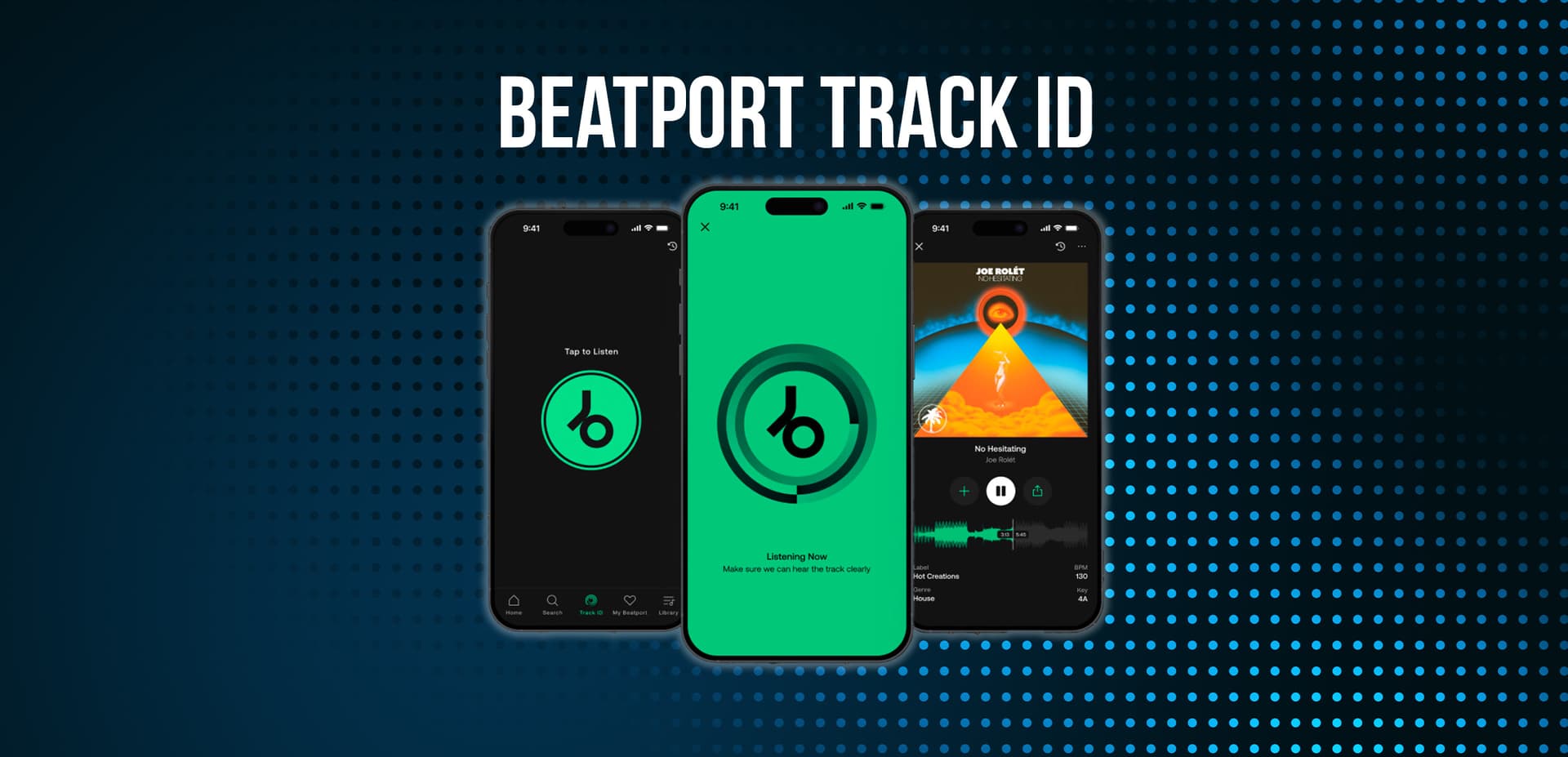

The end of frustration on the dance floor
Recently, the leading electronic music platform took a giant step by integrating Track ID into its mobile application for iOS and Android. This new feature solves one of the biggest problems in the clubbing ecosystem: the inability to identify songs during a live set.
Historically, mass recognition applications like Shazam have failed on the dance floor. The constant alteration of pitch, the overlapping of sound layers, and the intensive use of effects distort the original audio, completely blocking conventional algorithms.
Artificial intelligence oriented to clubbing
To overcome these acoustic barriers, Beatport has partnered with seeqnc, a European technology firm specializing in artificial intelligence. The result is a recognition engine trained exclusively with the store's immense electronic music catalog.
- Precise detection of tracks altered by drastic changes in tempo or pitch.
- Recognition of songs in overlapping mixes (blends) and mashups.
- Direct purchase of high-quality files and synchronization with playlists.
The hidden impact on producers' royalties
The arrival of Track ID goes far beyond simple musical discovery. Helen Sartory, the company's Chief Revenue Officer, points out that this technology lays the foundation for a future automated setlist reporting system. Currently, a large part of the royalties generated by live performances is lost due to the lack of accurate data at festivals.
When DJs can easily identify and share track information, everyone wins.
— Helen Sartory
If search data can be integrated with rights management entities, this tool will cease to be a simple utility and become a crucial mechanism that guarantees financial compensation for creators in the underground scene.