
The decline of the dance floor in the face of the luxury model
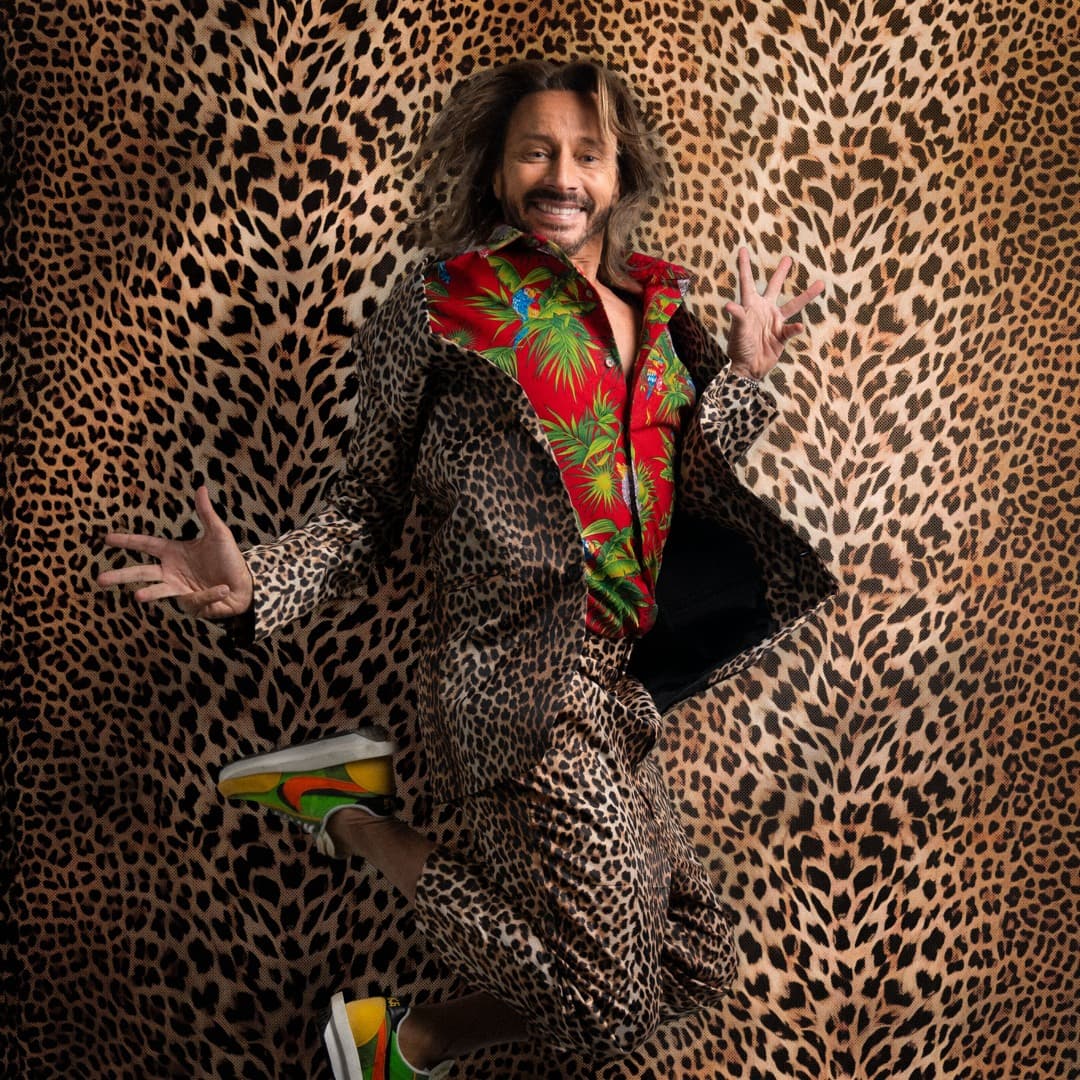
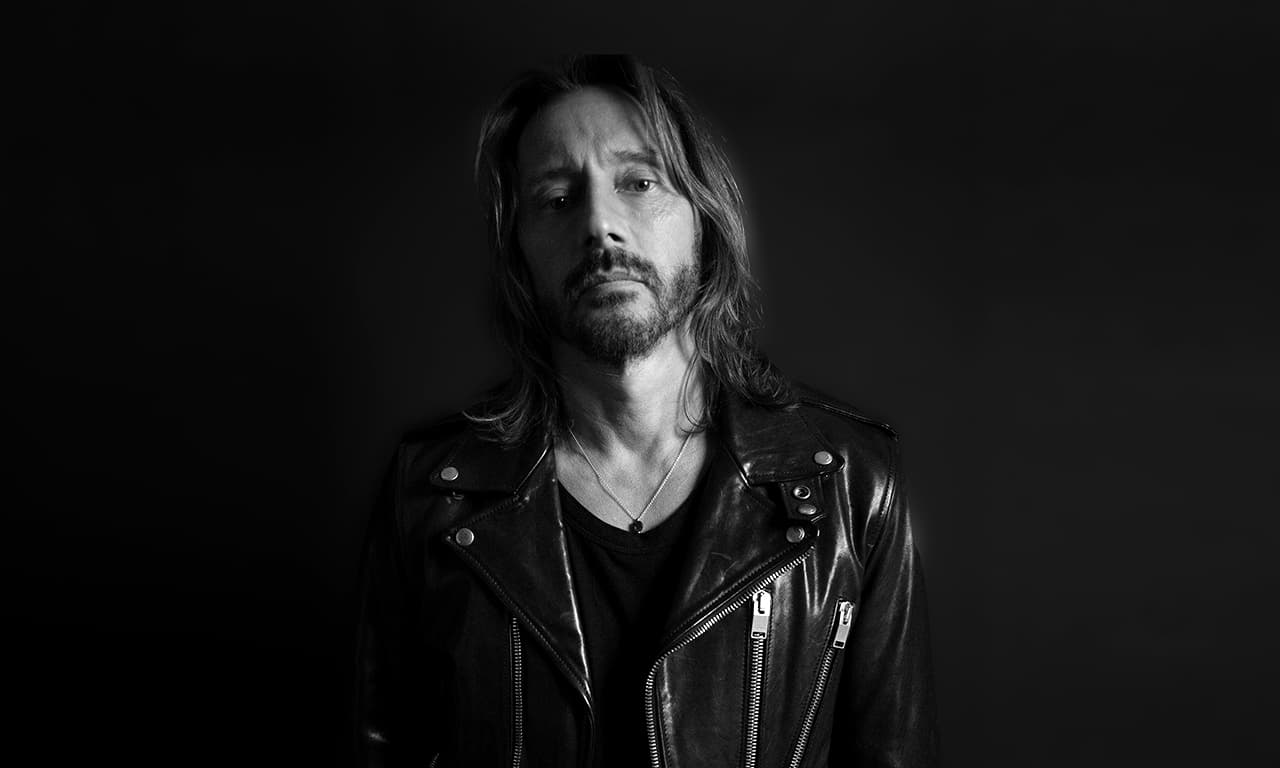
During a recent live broadcast with French content creator Joyca, veteran producer and DJ Bob Sinclar launched a scathing critique of the current clubbing infrastructure on the White Island. The Parisian artist, a key figure in the evolution of European house, laments that Ibiza has diverted its historical focus to prioritize an ecosystem based almost exclusively on luxury and table service.
Forgive me, but I no longer recognize myself in what is happening in Ibiza. Right now everything is too expensive. We go to the VIP and forget about the clubbers, who are the ones who really created this trend.
— Bob Sinclar
The author of generational anthems did not hesitate to point out the root of the problem: the economic bubble of fees. According to Sinclar, the ever-increasing financial demands of contemporary DJs force promoters to make nights profitable through high-cost hospitality services. This dynamic has transformed iconic dance floors into mere backdrops for bottle consumption, displacing the public that seeks the pure essence of electronic music and the genuine groove.
The impact of inflation on the 2026 season
With the 2026 summer season in full swing, the Frenchman's statements resonate strongly in the industry. While superclubs the likes of Hï Ibiza or Pacha continue to hang the 'sold out' sign, a growing faction of the community denounces that the immersive clubbing experience has been replaced by posturing and constant recording with mobile phones.
The firm stance of Sinclar, who claims to continue playing for "the people who really want to dance," opens a necessary debate on the cultural sustainability of the most influential destination in global electronic music. As ticket and drink prices reach historic highs, the scene faces the challenge of balancing commercial profitability with the preservation of the original spirit that saw it born.