

A forceful message against double standards
Recently, the Italian DJ and producer Deborah De Luca used her official Instagram profile to launch an unfiltered message about the misogyny that continues to prevail in the electronic music industry. After an 18-year career in the scene, the artist has decided to publicly expose the derogatory comments and constant scrutiny that women are subjected to in the DJ booth, highlighting an evident double standard regarding their male counterparts.
In her statement, De Luca details the public's hypocrisy regarding clothing during live performances. In her own words, while men who mix at high BPMs without a shirt are celebrated for their energy, a woman who forgoes the classic baggy t-shirt and dares to wear a neckline or more feminine clothing faces an avalanche of attacks questioning her legitimacy. The Neapolitan producer stressed that this aesthetic double standard seeks to invalidate years of work in the studio and on global stages.
To illustrate the gravity of the situation, the founder of the Solamente label compiled some of the attacks and denigrating labels that female artists read daily on their profiles:
- "Fake DJ"
- "USB DJ"
- "Are you a model or a DJ?"
- "Are you a dancer or a DJ?"
- "OnlyFans DJ"
The artist pointed out that this type of questioning never appears on the posts of male DJs, exposing a clear gender bias that, paradoxically, is sometimes also perpetuated by other women in the community.
I find all of this misogynistic and sexist in an embarrassing way. Welcome to 1800.
— Deborah De Luca
The support of the techno elite
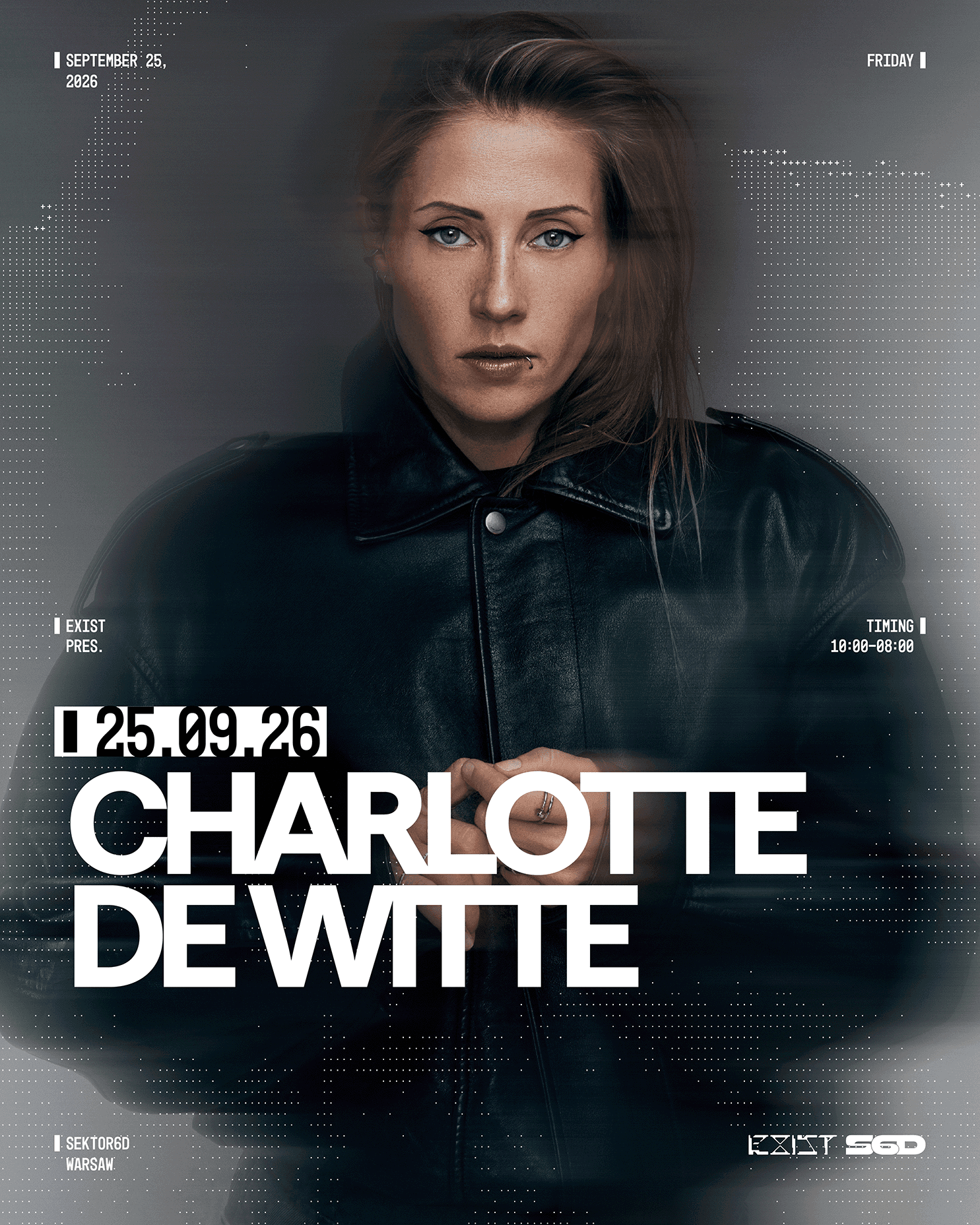
The post did not take long to generate a wave of reactions within the clubbing ecosystem and social networks. Top-tier figures and professional colleagues such as Charlotte de Witte and Sara Landry immediately went to the comments section to show their public support, validating the message. This collective backing evidences that sexism is not an isolated or anecdotal case, but a systemic problem that affects the industry transversally, impacting even the artists with the highest sales volume and undisputed headliners on international circuits.
Aesthetic scrutiny versus talent in the booth
The debate opened by De Luca puts on the table a non-negotiable demand: the need to shift the conversation toward technique, synthesis, track selection, and groove, eliminating gender prejudices once and for all. In a club culture that was historically born under the values of inclusion, freedom, and mutual respect on the dance floor, judging an artist's worth by their physical appearance or wardrobe represents an unacceptable setback. The contemporary electronic industry faces the unavoidable challenge of eradicating these attitudes to ensure that the talent behind the decks is the only valid benchmark.