
The Consolidation of a Historic Destination
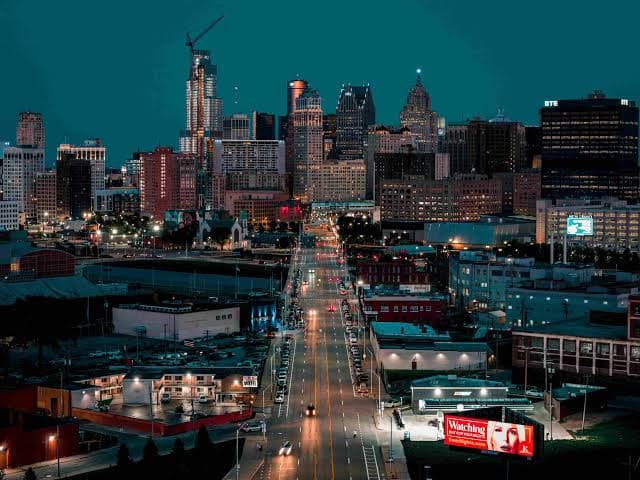
Detroit, universally recognized as the birthplace of techno, has transcended its historical status to become the global epicenter of electronic music tourism. A recent analysis, published at the end of June this year, examines how the American city has managed to capitalize on its immense cultural legacy, attracting tens of thousands of music lovers, researchers, and industry professionals annually. Far from relying solely on its nostalgic past, the city has structured a sustainable tourism model that honors the original creators of the genre and fosters the economic development of the local community.
Detroit's metamorphosis into an internationally renowned tourist destination is no coincidence. Local initiatives have fostered an ecosystem where electronic music is not only consumed on dance floors but is also studied, preserved, and celebrated. This comprehensive approach has allowed the city to regain its prominence in the global travel scene, demonstrating that clubbing and musical history can be powerful tools for urban revitalization.
Infrastructure and Techno Pilgrimage Sites
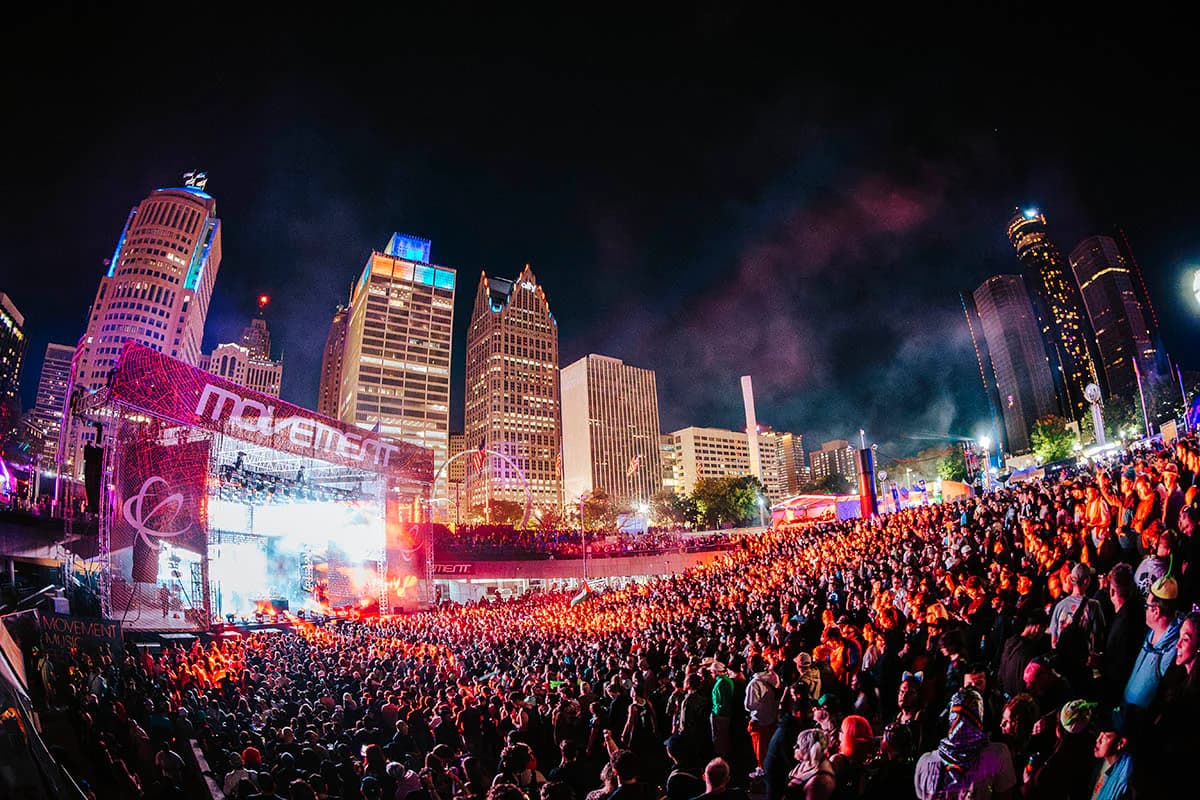
The main driver of this tourism phenomenon remains the Movement Electronic Music Festival, traditionally held during Memorial Day weekend. This massive event injects tens of millions of dollars into the local economy and acts as the perfect catalyst for what experts call techno tourism. However, Detroit's appeal extends far beyond the festival dates, supported by a network of institutions and cult spaces that operate year-round.
Visitors arriving in the city in search of the essence of techno find a well-defined historical and cultural circuit. Among the most iconic places is the headquarters of Submerge Records, home to the legendary collective Underground Resistance. In this space, known in the scene as Somewhere in Detroit, there is an unparalleled historical archive that allows tourists to understand the technological and social development of synthesized rhythms.
- Exhibit 3000: Considered the first and only museum in the world dedicated exclusively to the history of techno, housing original drum machines and sequencers.
- Movement Festival: The pinnacle event that brings together a global community at Hart Plaza, serving as a bridge between the pioneers of Detroit and new generations.
- Detroit Threads and People's Records: Essential record stores for purchasing vinyl, serving as a pillar for direct economic support to local artists.
- Motown Museum: Although focused on soul, it is a mandatory stop to understand the city's musical DNA and its ability to export genres to the world.
The Challenge of Cultural Sustainability
As techno has evolved from an underground movement led by the African American community into a multi-billion dollar global industry, the relationship between Detroit and its visitors has been subject to deep scrutiny. Recent research, such as the ethnographic essay published a few weeks ago in The Conversation, raises a critical reflection on the responsibility of the music tourist. The debate centers on what visitors really owe the city and the pioneers who created this music in a context of socioeconomic adversity.
Local organizations and art collectives insist that honoring the origins of techno requires a genuine commitment that goes beyond buying a festival ticket. A tourism model is promoted in which outsiders directly support the local economy by purchasing music in independent stores, participating in educational tours, and respecting community spaces in the face of gentrification.
True support for the birthplace of techno implies a long-term commitment to the community that built this culture from the ground up, not just a superficial visit.
— The Conversation, Ethnographic Analysis on Music Tourism (2026)
A Model to Follow for the Global Industry
The case of Detroit is being watched with great interest by other world capitals of electronic music. While various European cities attempt to balance the massification of nightlife with the quality of life of their residents, the Motor City's approach demonstrates that it is possible to integrate music tourism harmoniously. By prioritizing education, heritage preservation, and cultural justice, Detroit not only ensures the survival of its legacy but also sets an ethical standard for tourism in the modern era of electronic music.
The consolidation of this model reaffirms that the history of techno is not a static museum piece, but a living force that continues to shape the economic and social future of the city. For industry professionals and lovers of synthesis, traveling to Detroit is no longer just a vacation leisure option, but a fundamental act of pilgrimage to understand the true magnitude and institutional weight of club culture.