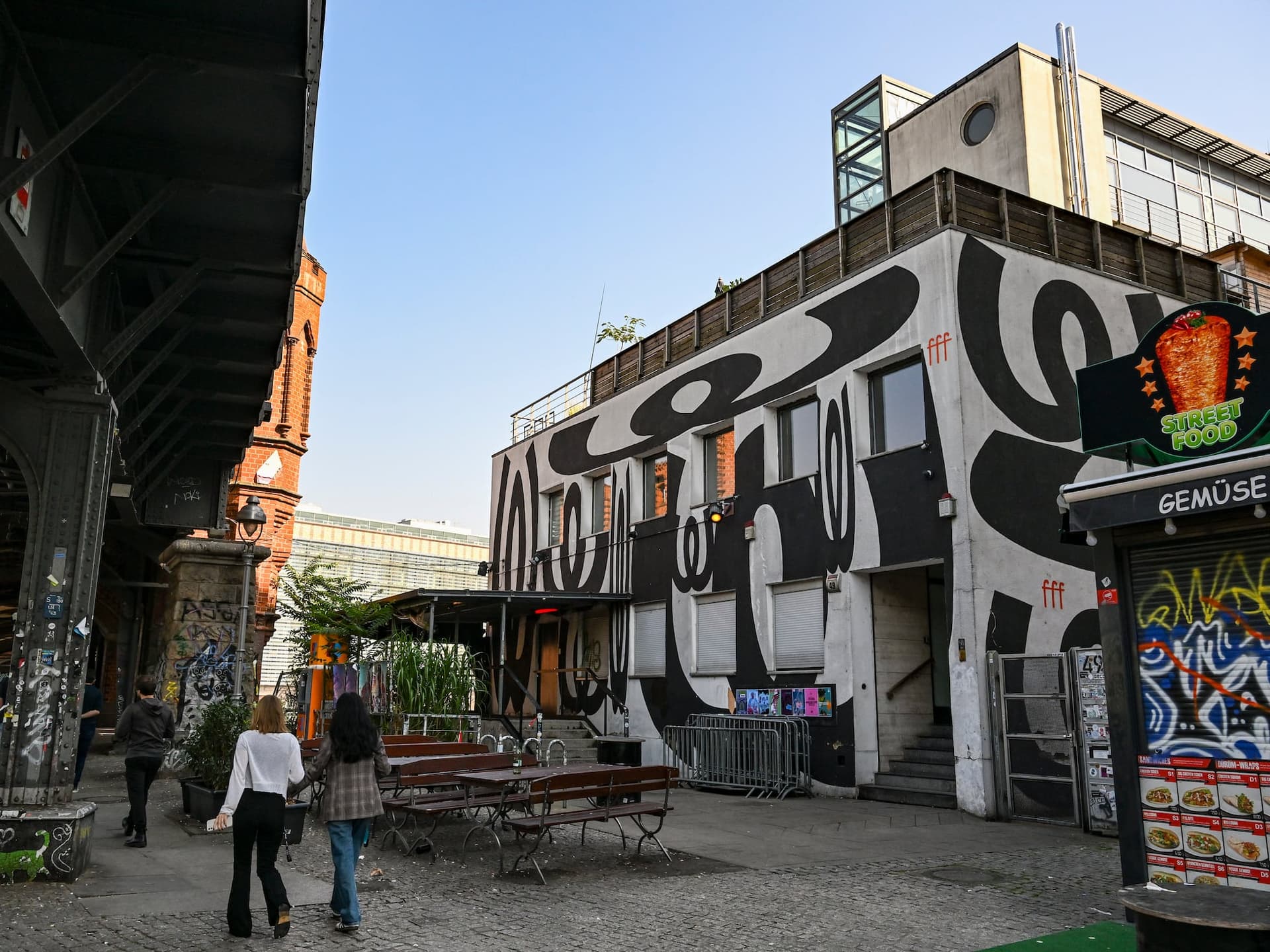

The twilight of nightclubs: A paradigm shift in nightlife
Club culture, as it was conceived in the eighties and nineties, is undergoing an unprecedented structural transformation. The closure of historic institutions in major European capitals has sounded the alarm on what sociologists and industry experts call clubsterben or the death of clubs. At the end of 2024, the iconic Watergate club in Berlin announced its permanent closure after dealing with inflationary pressure and changing habits among new generations. This phenomenon is not isolated; in the United Kingdom, the Night Time Industries Association (NTIA) has classified the current situation as a cultural crisis, exacerbated by high operating costs and strict post-pandemic licensing regulations.
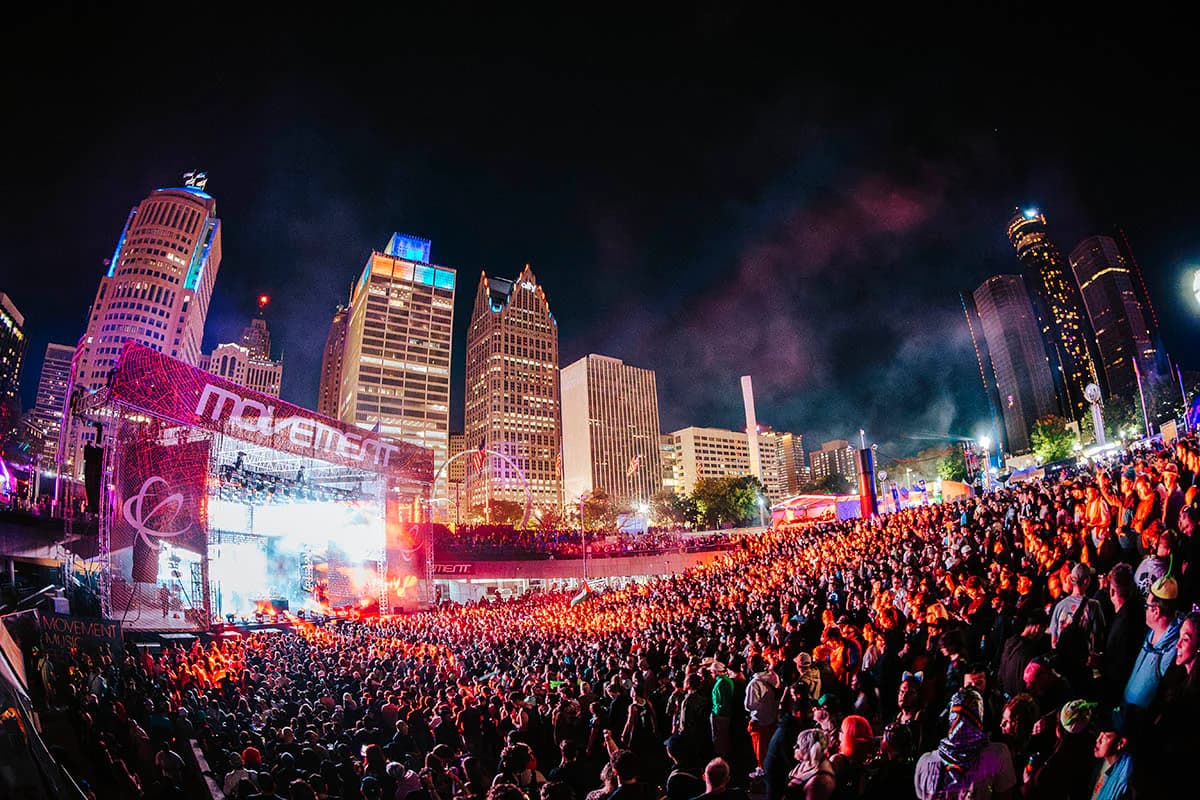
In Spain, the situation reflects an identical pattern. According to the balance sheets of the National Federation of Leisure and Entertainment Entrepreneurs, the nightlife map has lost a significant percentage of its traditional venues over the last two decades. Generation Z and millennials have replaced endless early mornings with daytime formats. The rise of 'tardeo' (afternoon sessions), single-day festivals, and wellness-focused events have displaced the weekly routine of going to the same dance floor. The paradigm shift is so profound that local administrations in cities like London, Manchester, or Bristol have had to establish the position of 'Night Time Economy Advisor' to mediate between city councils and industry entrepreneurs, attempting to stop the bleeding of closures.
The Ibiza paradox: Fewer events, higher profitability
Despite the generalized decline of the traditional format, the electronic music industry continues to demonstrate formidable economic resilience through a drastically different business model. The recent IMS Electronic Music Business Report 2025/26, presented last April during the International Music Summit in Ibiza by the consultancy MIDiA Research, provided empirical figures that redefine the landscape.
- Ibiza clubs generated 160 million euros solely in dance floor ticket sales during the 2025 season.
- This figure represents an increase of 10 million compared to the previous year, even though the average number of events per venue dropped from 144 to 140.
- The consumption model is oriented towards exclusivity: the public attends less frequently, but spends significantly more per musical experience.
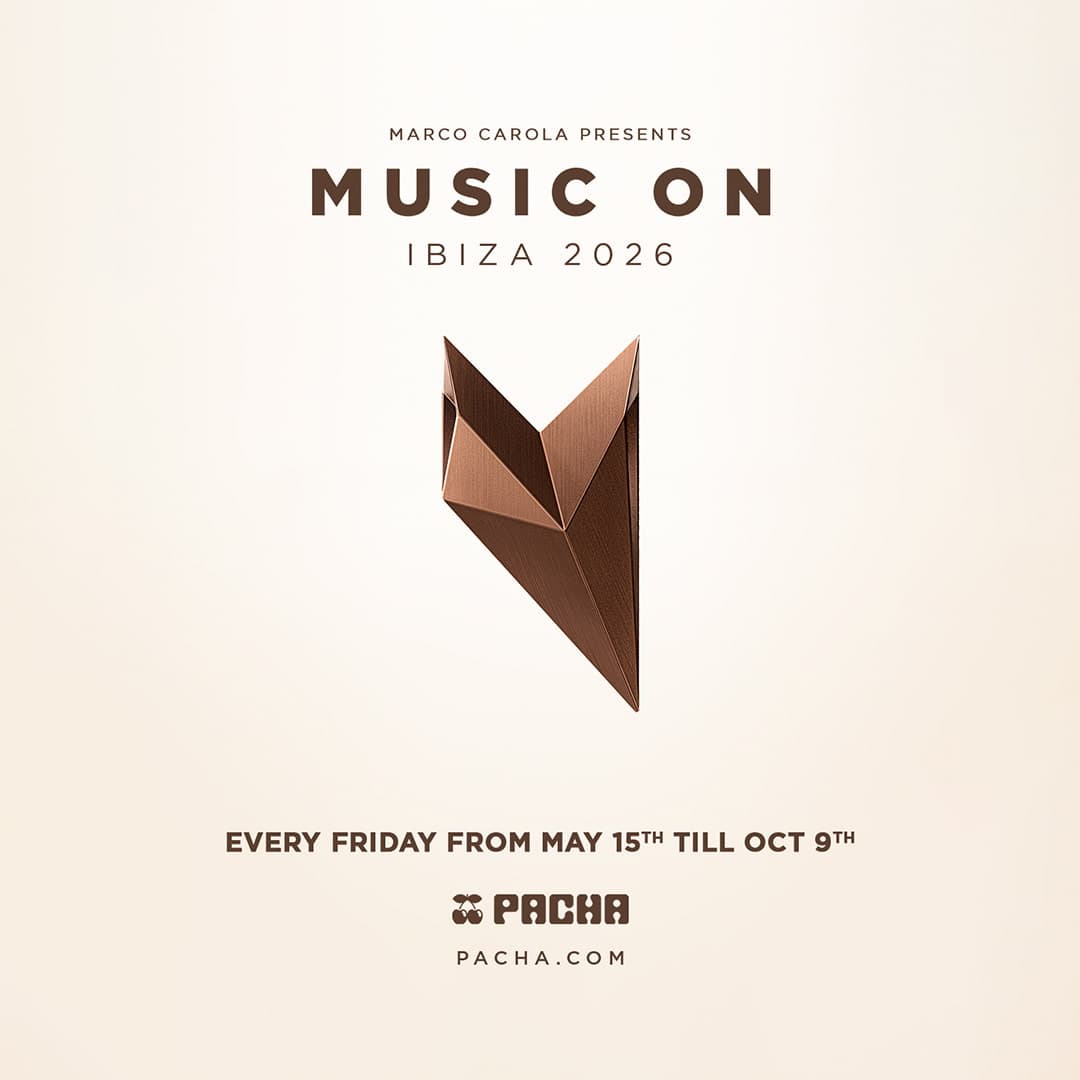
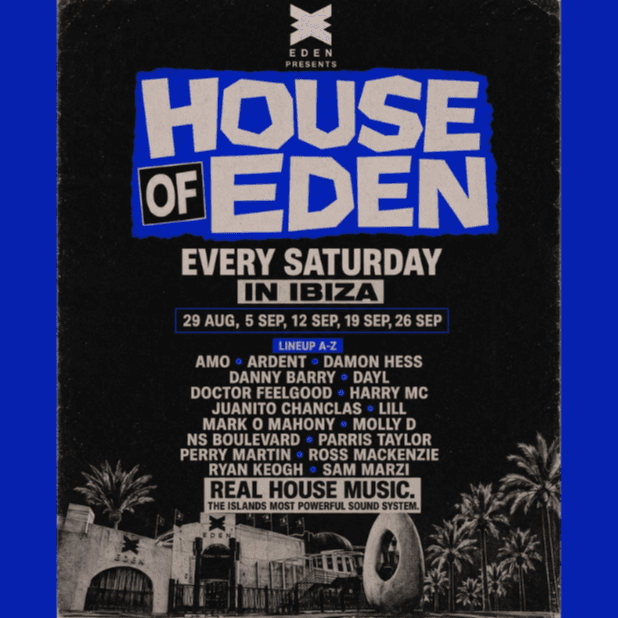
Mark Mulligan, lead analyst of the report, stressed that this economic volume excludes revenue derived from VIP areas and table reservations, which constitute the true financial engine today. Internationally renowned nightclubs such as Hï Ibiza, Ushuaïa, Pacha, or Eden Ibiza have perfected an experiential and premium model that dominates the forefront of the sector. However, this shift towards luxury raises serious questions about the accessibility of electronic culture for younger strata, historically the core of the underground scene.
The public chooses to reduce the frequency of their outings, but increases spending on each experience, consolidating higher value-added events.
— Mark Mulligan, MIDiA Research
Reclaiming the true groove in the face of hyper-connectivity
Globally, the industry reached a historic valuation of 12.9 billion dollars, driven by expansion in emerging markets and genres such as Afro House. However, the underground ecosystem suffers the consequences of a polarized economy. High rental costs, exorbitant energy bills, and real estate speculation have made managing a medium-sized venue a true financial challenge. Furthermore, public health statistics in several European countries indicate that nearly 40% of young people opt for an alcohol-free lifestyle, moving away from classic nocturnal hedonism.
The motto of the recent edition of the Ibiza congress, Reclaim The Dancefloor, encapsulates the main concern of techno and house purists. The proliferation of reserved areas and the omnipresence of mobile phones have fractured the collective communion that defined clubbing. In response to this commodification, alternatives are emerging that seek to recover the essence of the sound. Initiatives such as the daytime parties of DJ Annie Mac, or hybrid spaces that combine electronic synthesis with wellness activities, demonstrate that the demand for leisure has mutated. Club culture is not heading towards extinction, but towards a strict bifurcation: the luxury macro-spectacle versus intimate, screen-free refuges.