

The evolutionary leap in library management with DJCU2
Music library management has always been one of the biggest bottlenecks for electronic music professionals. Recently, the popular conversion utility for macOS has taken a giant step forward with the release of the public beta of DJ Conversion Utility 2 (DJCU2). Developed by the veteran programmer and DJ known as Mix Master G, under the umbrella of ATGR (And The Groove Remains), this new iteration promises to radically transform the workflow of set preparation.
The main innovation of this version is the ability to export the fluid beatgrids (dynamic rhythm grids) native to Algoriddim Djay Pro to other leading platforms on the market. Until now, Djay Pro remained the only software capable of analyzing tracks with variable tempos—such as classic disco, funk, or recordings with live percussion—with millimeter precision, adapting the grid dynamically without destroying the track's original groove.
Technical analysis: Breaking the barriers of static BPM
The major technical problem selectors faced was the closed ecosystem. Once a track was analyzed and its dynamic beatgrid was perfected in Djay Pro, that information remained trapped in its database. When migrating to other software, tracks were forced into a static BPM, ruining synchronization and loop quantization in passages with tempo fluctuations.
DJCU2 solves this deficiency by reading Algoriddim's proprietary metadata and translating it intact into the native language of applications like Rekordbox, Traktor, VirtualDJ, Serato, and Engine DJ. Mix Master G's conversion algorithm preserves variable tempo changes, inserting dynamic anchors along the audio file's timeline.
However, the precision of the final result depends on the architectural limitations of each receiving software. While Engine DJ and Rekordbox assimilate these dynamic metadata with astonishing fidelity, allowing for smooth and continuous mapping, Serato presents technical restrictions inherent to its code. In the Serato ecosystem, tempo changes can only be executed on the first beat of a bar (downbeat), which prevents following micro-rhythmic fluctuations with the same fluidity as its competitors, although it still represents an abysmal improvement over the traditional static grid.
It should be noted that a precise beatgrid is not only fundamental for the automatic synchronization (Sync) function, but it is the pillar upon which tempo-based effects modules (such as delays and rhythmic reverbs) and real-time stem separation quantization operate. When a grid loses its alignment with percussion transients, mixing algorithms can generate unwanted audio artifacts and ruin the cohesion of the set.
Unification of tools and access to the testing phase
At a development level, DJCU2 is not a simple update, but a complete rewrite of the source code. This new application unifies the original version of DJCU, the Denon Conversion Utility (DeCU), and several secondary tools from the ATGR catalog under a single interface. By centralizing these processes, tag reading errors are minimized and CPU usage is optimized on macOS systems.
Currently, the beta phase is open to any user who owns a previous license for DJCU or DeCU. To access it, interested parties must contact Mix Master G directly through his official channels, providing the PayPal email address used in the original purchase. As an incentive for the community, those users who report programming errors or provide useful technical feedback during this period will receive the final version completely free of charge.
Regarding the commercial roadmap, the developer has set the release of the stable version for mid-September 2027. Although final prices may vary, it is estimated that the lifetime license will be around 44.50 euros, with an approximate upgrade fee of 20 euros for owners of previous versions.
Redefining interoperability in professional DJ booths
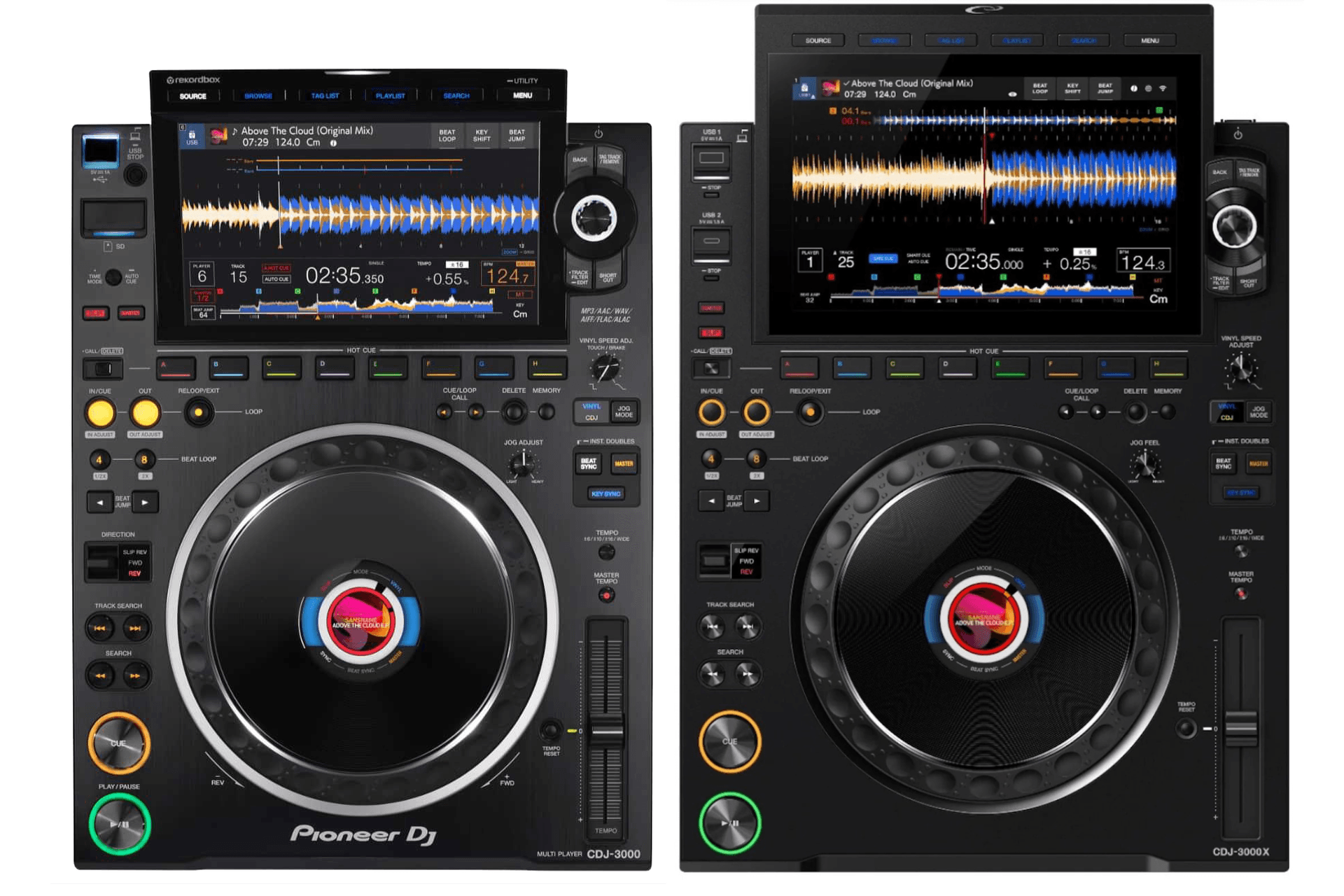
The arrival of DJCU2 blurs the boundaries between the different hardware and software ecosystems in the clubbing industry. Historically, the choice of preparation software was dictated by the standard hardware in booths, dominated mostly by Pioneer DJ or Denon DJ devices. Now, DJs can take advantage of the superiority of Djay Pro's AI analysis engine in the comfort of their studio, and subsequently export a perfectly formatted USB drive for CDJ-3000 or SC6000 players.
This conversion tool grants unprecedented freedom, allowing technology to adapt to the artist and not the other way around. It ensures that transitions of organic genres are as precise as those of the most quantized techno, raising the standard of live performances and eliminating the barriers imposed by proprietary formats.