
The progress of the new legislation and its sanctions
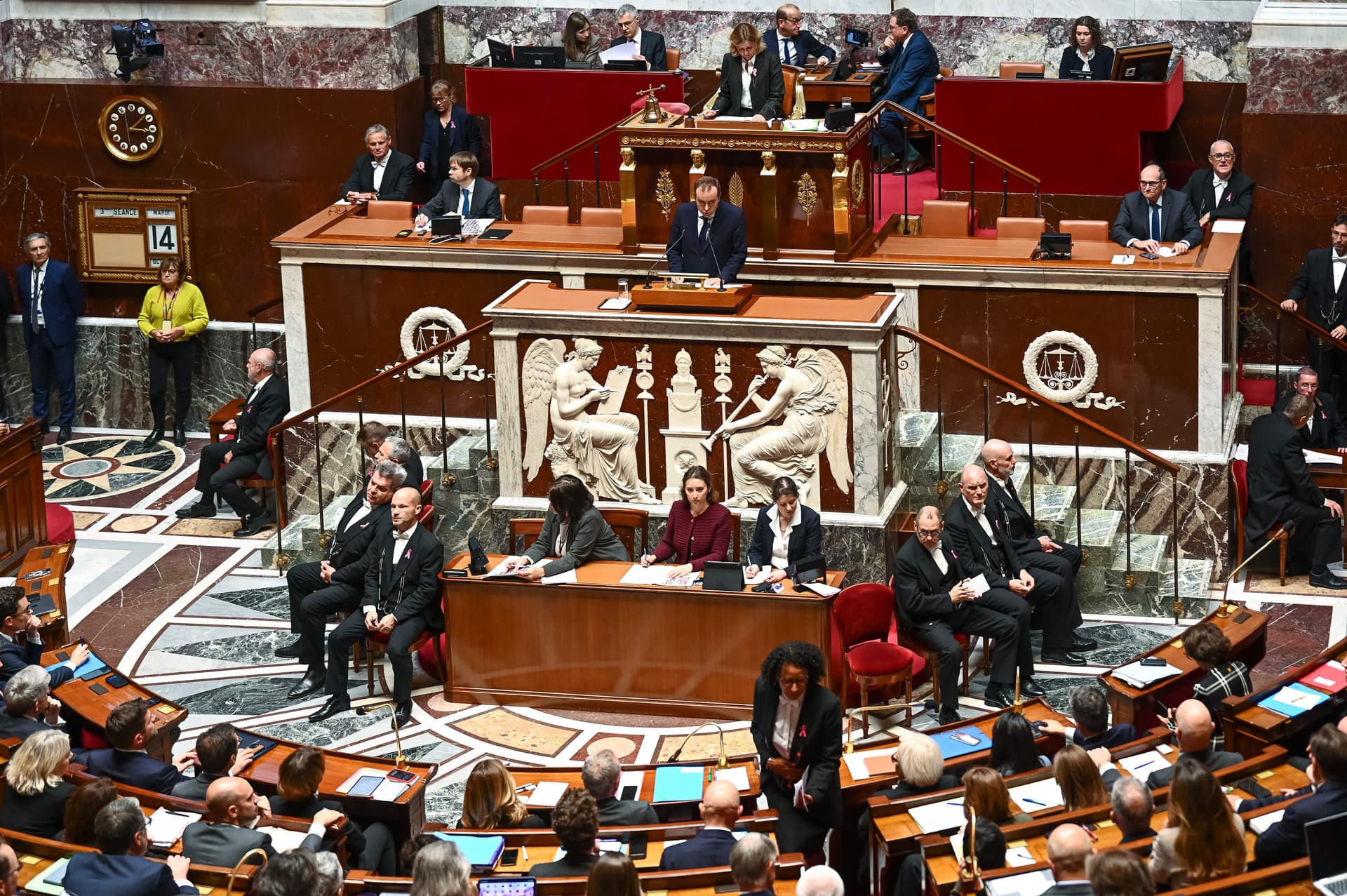
The landscape of the underground electronic music scene in France is facing one of the most severe legal challenges of the last two decades. Recently, the lower house of the French parliament approved a bill aimed at drastically tightening sanctions against free parties and illegal raves with more than 250 attendees. Promoted by lawmakers from the Horizons party and supported by groups such as Renaissance and MoDem, the regulation proposes sentences of up to six months in prison and fines of 30,000 euros for the organizers of these clandestine events.
However, the most controversial aspect of the proposal is the expansion of the legal term 'organizer'. According to the debated text, criminal liability would not fall solely on the main promoters, but would extend to any individual who collaborates in logistics, transports sound systems, or even disseminates practical information about the event via the internet.
Economic consequences for attendees
Legislative pressure is not limited to the organizational leadership. The new regulatory framework deals a direct blow to the clubbing ecosystem's audience. Attendees of these unauthorized parties would face initial fines of 1,500 euros. In case of recidivism, the financial penalty would automatically double, reaching 3,000 euros. This measure seeks to discourage the massive participation that has historically characterized the teknival movement in the country.

Start playback
Massive protests: The pulse of the underground scene
The response from the electronic music community was immediate. During the first weekend of this May, around 40,000 people gathered at an old military shooting range in Cornusse, near Bourges, to celebrate a massive teknival. The event served as a direct protest against the new law. The choice of location held strong symbolic weight, as Bourges is the hometown of Interior Minister Laurent Nunez, who flew over the area by helicopter and promised greater repression, confirming the issuance of at least 600 initial fines.
In parallel, in cities like Marseille, hundreds of people attended an event dubbed the 'final rave'. Collectives in defense of electronic culture, such as Technopol and Tekno Anti Rep, have raised their voices against what they consider an attack on freedom of cultural expression, arguing that government policies respond to authoritarianism rather than public safety.
I think that if the lawmakers had traveled with us, they would have a different image of this scene and the opportunities it offers.
— Sacha, organizer of the 'final rave' in Marseille
Impact on Free Party culture
The tradition of free parties in France has deep roots dating back to the early 90s. While authorities justify the new law based on public safety concerns, risks of explosions in abandoned military sites, and environmental damage, defenders of the scene argue that a vital space for social and sonic experimentation is being criminalized. The key points of the bill include:
- Sentences of up to six months in prison for direct or indirect organizers.
- Fines of 30,000 euros applicable to the entire logistics chain of the event.
- Sanctions of between 1,500 and 3,000 euros for dance floor attendees.
- Expansion of the concept of organizer to sound transporters and digital disseminators.
The bill is currently awaiting scrutiny in the Senate. If definitively approved in its current form, it will mark a turning point in the government's management of nightlife and electronic music in Europe, setting a restrictive precedent for the use of public space. In the absence of official confirmation regarding its ratification, various advocacy groups are already preparing legal strategies to stop the regulation from coming into force.