
The end of clandestinity: Electronic music knocks on the State's door
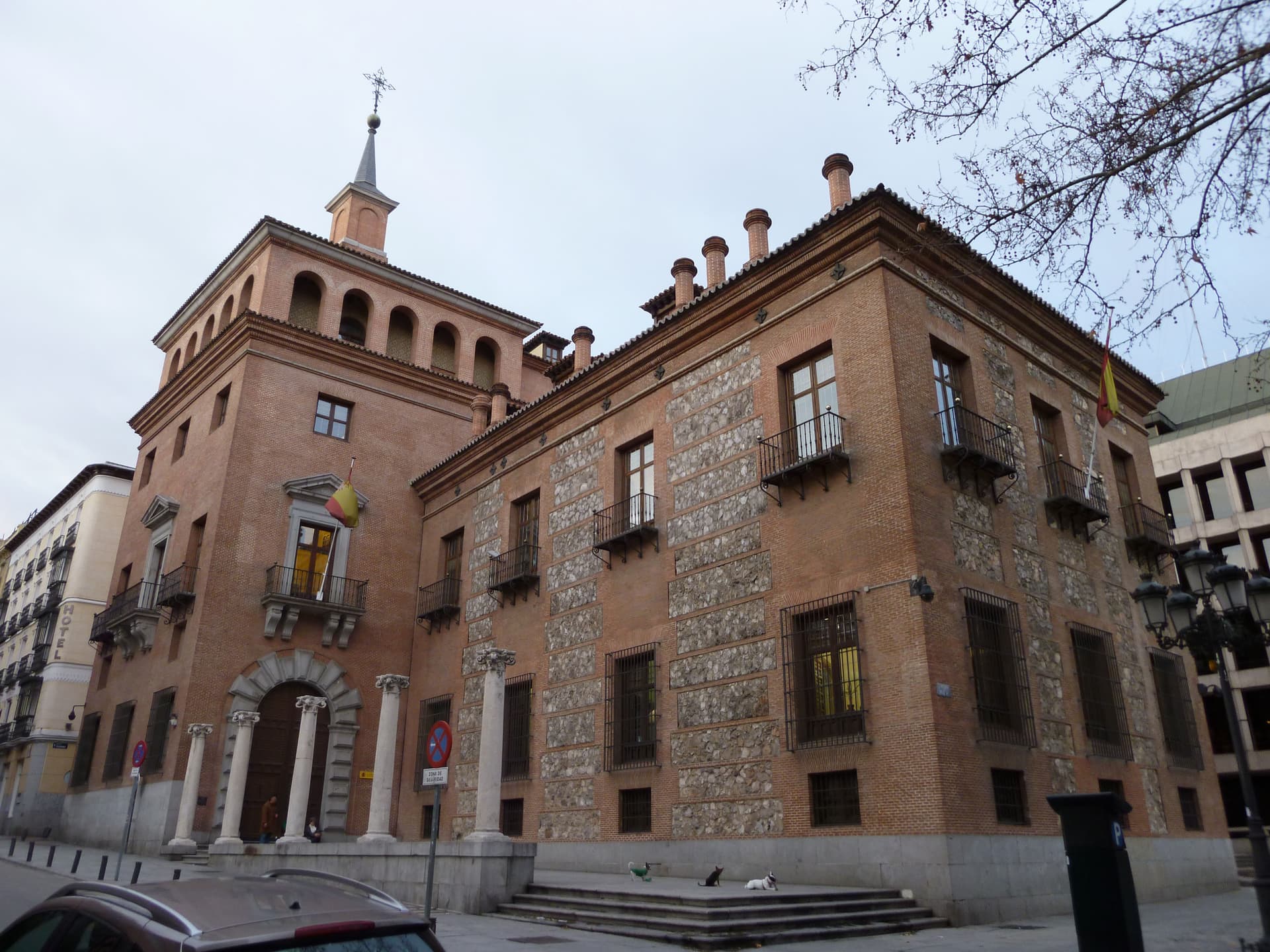
We have spent decades documenting the sweat, the avant-garde, and the massive economic impact of our electronic scene, from the dark warehouses of the 'ruta' to the macro-festivals that today underpin the country's musical tourism. However, the stigma always weighed more than the talent. Today, we can write with pride that something has changed. For the first time in history, representatives of Spanish DJs have crossed the solemn arches of the Ministry of Culture. They did not go to apologize, but to demand institutional recognition that is decades overdue.
The phrase that has resonated in government offices is devastating and real: "We have been the worst-treated in music." In our editorial office, we could not agree more. Historically, the administration has categorized clubbing and booth work as mere nightlife entertainment, stripping it of any cultural or artistic value. This institutional marginalization has caused promoters, agencies, and artists to live in an unbearable legal and fiscal limbo. That the country's highest cultural institution agrees to sit down and listen to these demands marks a point of no return to dignify an industry that moves millions and exports the 'Spain brand' all over the world.
The DJ as a creator: Breaking the myth of the "record-player"
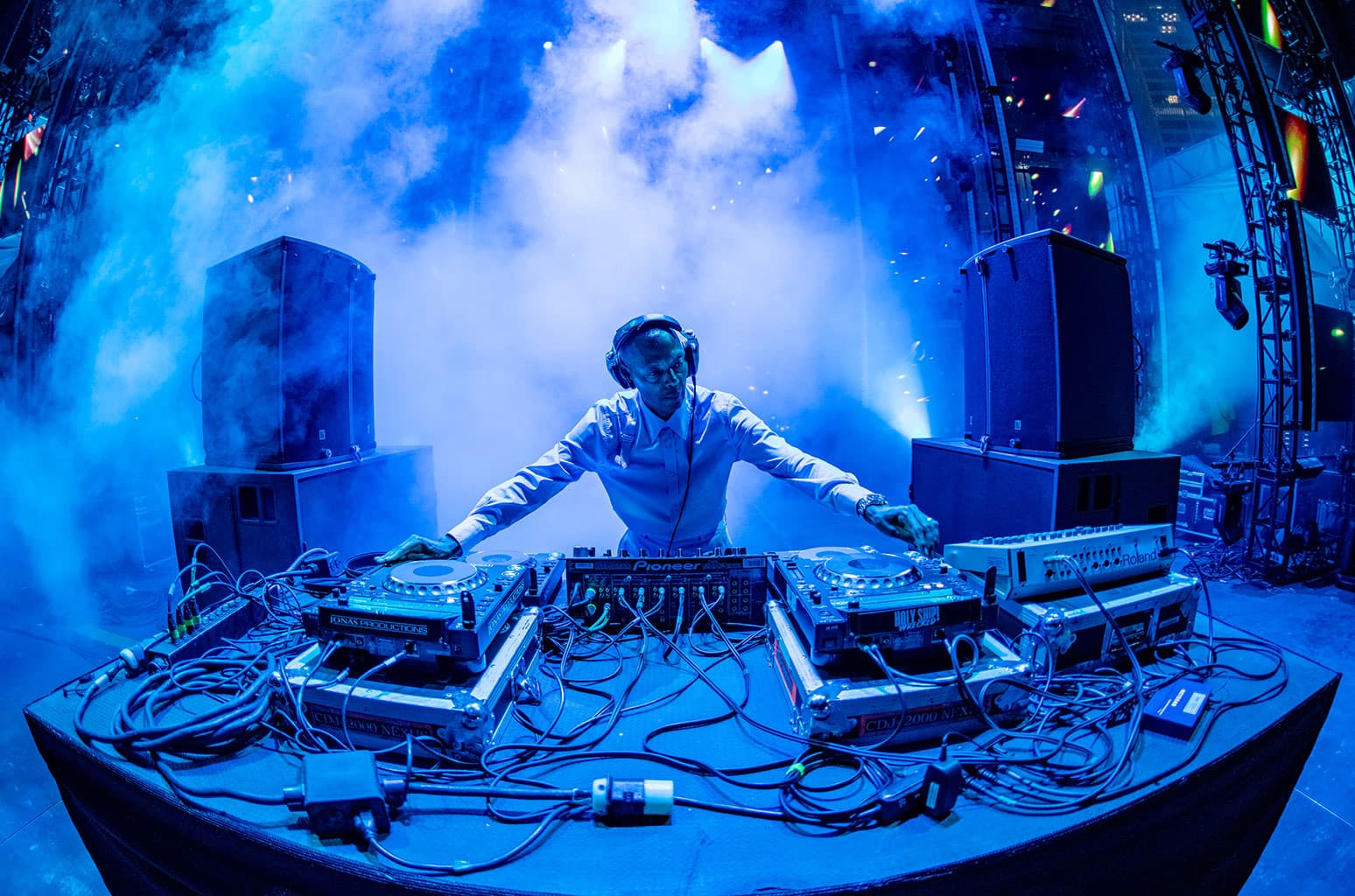
The core of the meeting pivoted on a claim that we have defended tooth and nail in every chronicle: the recognition of the DJ as a legitimate artistic creator. The spokespeople for the collective were clear in explaining to the authorities that, although their raw material is the tracks of other producers, the alchemy that happens live is unrepeatable. A DJ does not just splice songs; they equalize, manipulate frequencies, generate tension, read the psychology of the dance floor, and build a sonic narrative that did not exist before.
Although we work with music by other artists, each set is different; we are creators.
— Statement from DJ representatives at the Ministry of Culture
When we see figures like Paco Osuna or Oscar Mulero stringing together hours of techno and tech-house, we are witnessing an exercise in virtuosity and pure reinterpretation. Denying them the status of authors in the middle of 2026 is an anachronism that the law must rectify immediately. The inclusion of the guild in the long-awaited Artist Statute is the logical step to guarantee basic rights, from decent pensions to a tax regime that understands the intermittency and nocturnal nature of their work.
Real impact: Festivals, clubs, and the future of the scene
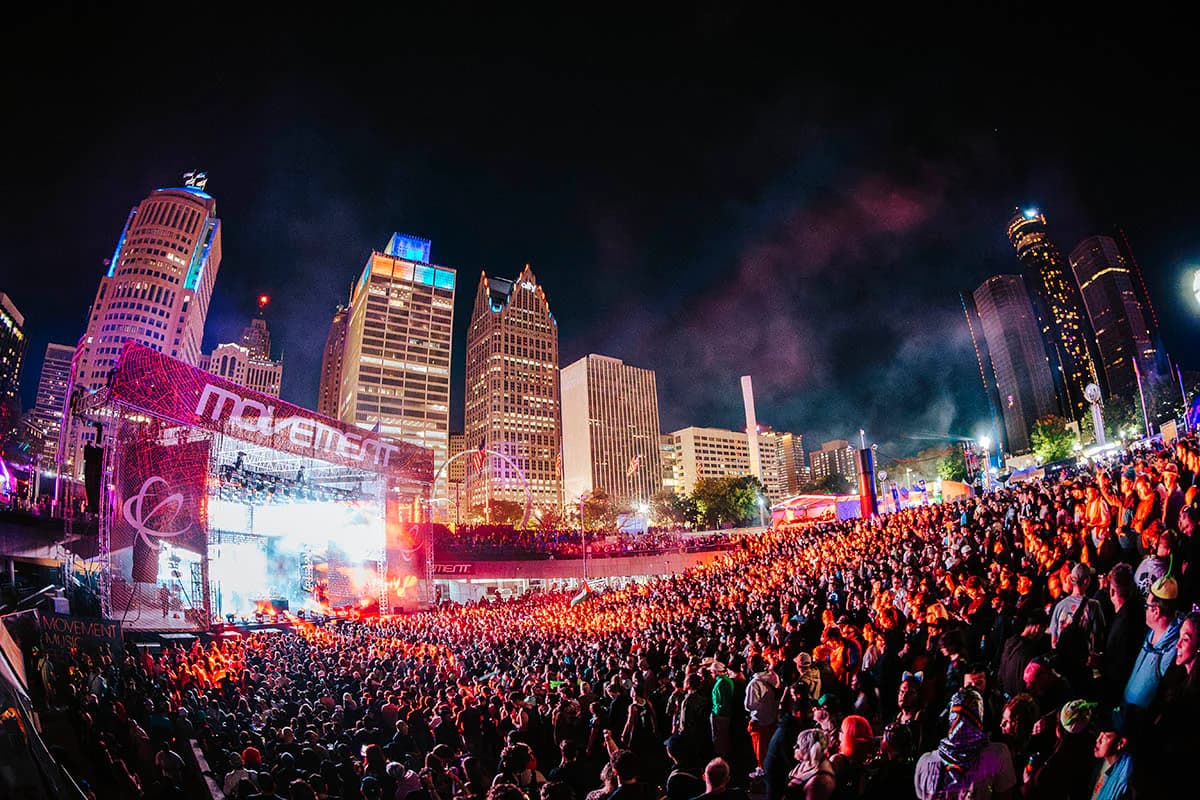
If the Ministry truly assimilates that electronic music is culture with a capital C, the domino effect on the base of our industry will be massive. Techno festivals and clubs would no longer be treated under restrictive legislation for shows and problematic entertainment, but would instead be considered protected cultural spaces. Imagine the legendary Fabrik or Florida 135 being patrimonially shielded just as the theaters of Madrid's Gran Vía are. Furthermore, this would facilitate access to state subsidies and could regularize the application of cultural VAT, alleviating the suffocating economic pressure suffered by independent promoters.
Our conclusion: Vigilance against empty promises
We celebrate this meeting as an unprecedented moral victory. However, we are not naive. We have seen too many institutional photos left in the drawer of oblivion. From this magazine, we will maintain our critical and vigilant tone. We demand that this active listening translates into real decrees, laws, and regulations that protect rhythm professionals once and for all. Spanish electronic music is a global powerhouse, and we are no longer going to ask for permission to occupy the place that belongs to us in the history of culture.
- Statements collected by Europa Press.
- Mixmag / Music Industry legislative tracking archive.
- Official statements from DJ associations on social media.