

The Booth as a Pulpit: An Anthropological Perspective on Clubbing
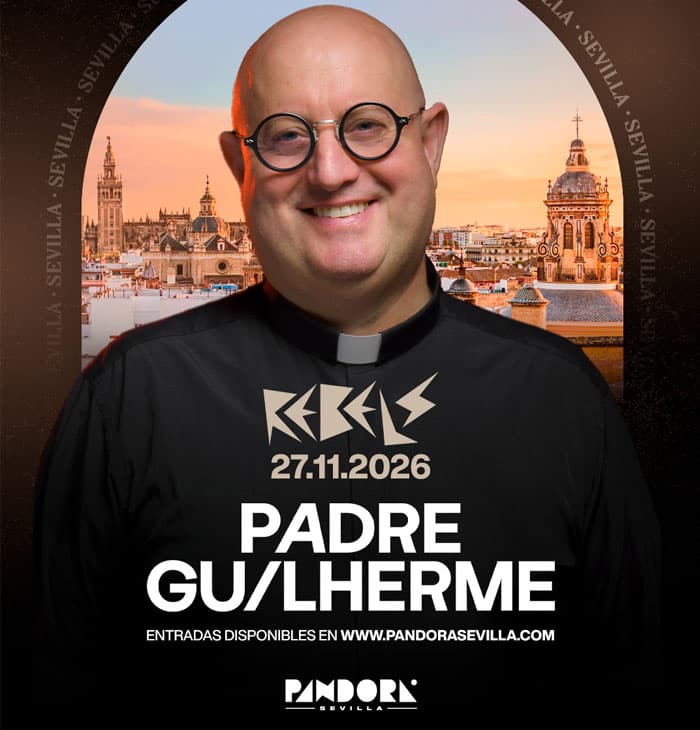
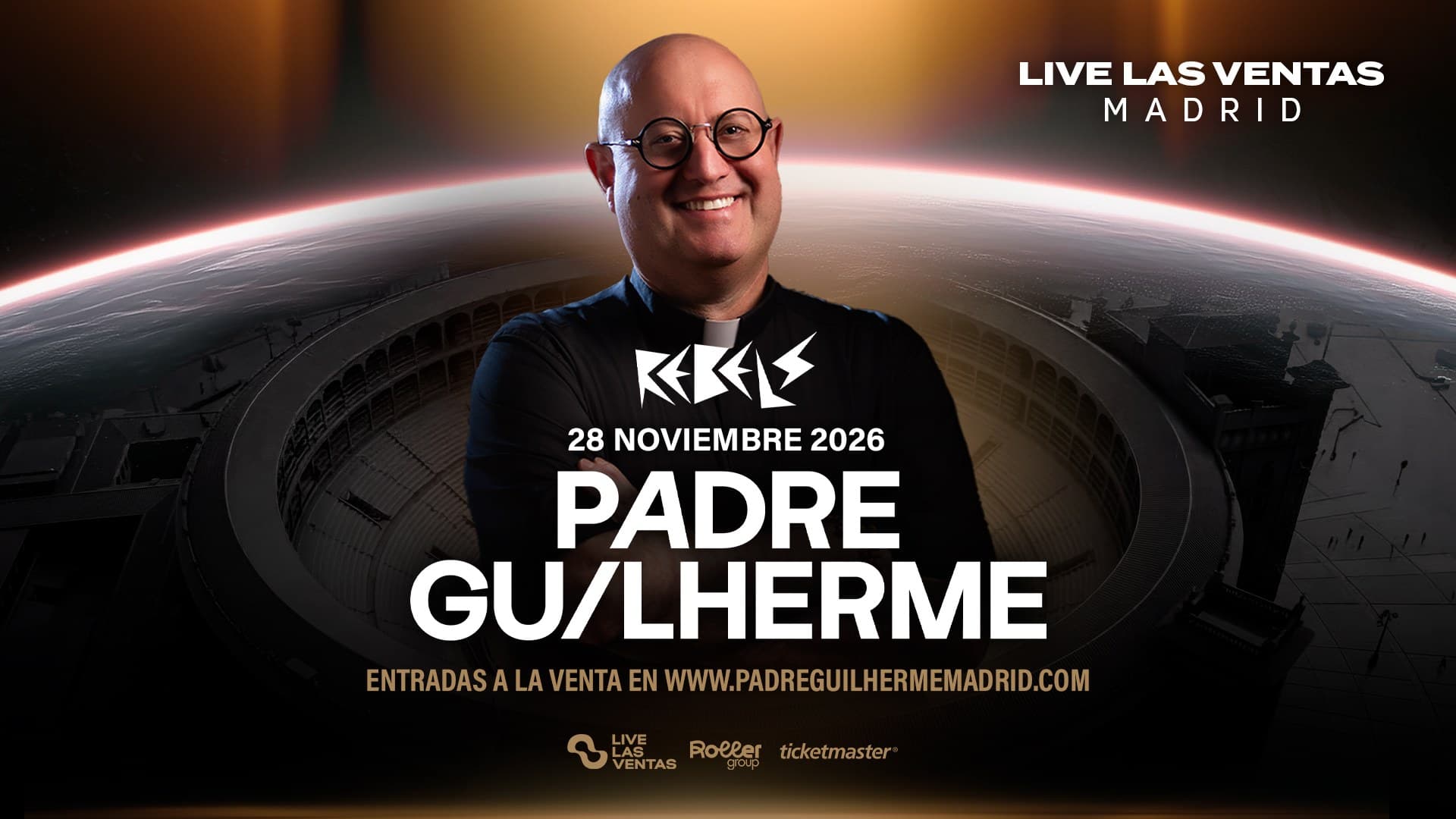
From the dark and primal foundations of Paradise Garage in New York City to the cold and imposing industrial warehouses that populate today's Berlin scene, electronic music culture has always flirted deeply with the language and aesthetics of the sacred. In our ongoing work of anthropological documentation of the club scene, we have often described the dance floor as an authentic secular sanctuary, the DJ as a modern shamanic figure guiding the masses, and the extended early-morning session as a cathartic liturgy necessary for the human psyche. However, throughout decades of musical evolution, we have very rarely had the opportunity to witness the literal, direct, and unapologetic collision of both historical institutions: the traditional Catholic Church and the contemporary rave scene. Today, from our editorial desk, we find ourselves facing a cultural phenomenon that aggressively blurs all preconceived boundaries of the music industry. We are talking about the figure of Guilherme Peixoto, known worldwide in the electronic circuit as Father Guilherme, a Portuguese-born priest who has managed to transform the usual mixing desk into his own private altar, bringing bass frequencies, hypnotic synthesizers, and 125 BPM kick drums to the ears of both devout parishioners and die-hard ravers.
To understand the magnitude of this crossing of worlds, we must go back to the origins of this peculiar artist. Far from being a marketing campaign manufactured by some public relations agency or a record label in search of cheap virality, the story of Father Guilherme has deeply functional and pastoral roots. Born in Guimarães in 1974 and ordained a priest in 1999, Peixoto developed much of his early career as a military chaplain for the Portuguese army, with international deployments in conflict zones such as Kosovo and Afghanistan. It was precisely in 2010, during his missions abroad and subsequently in his local parishes of Amorim and Laundos, in northern Portugal, that he discovered that electronic music could be a tool for unparalleled community cohesion. He began organizing modest social events to raise funds for his community, signing up for professional DJing and mixing technique classes to be able to offer a respectable technical level. What began as a creative solution to finance charitable works matured organically into a spiritual residency behind the decks, proving that necessity and devotion can engender genuinely surprising artistic expressions.
The Viral Explosion of WYD 2023 and International Consolidation
The true catalyst that catapulted Guilherme from small parish parties to the status of a global phenomenon occurred in the summer of 2023. During the celebration of World Youth Day (WYD) in Lisbon, we witnessed one of the most surreal and fascinating early mornings in the recent history of electronic music. At dawn, in front of a massive congregation of more than a million and a half young Catholics camping out, Father Guilherme, dressed in his characteristic clerical collar and black clerical shirt, took control of the booth. He woke the crowd not with traditional Gregorian chants, but with an impeccably equalized melodic techno set. Self-produced tracks like "Aleluia" and "Gloria" resonated through the event's massive sound systems, creating a moment of collective euphoria that, in a matter of minutes, flooded social media platforms. The image of a priest operating a Pioneer CDJ-3000 set went viral worldwide, immediately attracting the attention and curiosity of promoters, record labels, and media specialized in club culture.
What many critics within the industry initially dismissed as a simple passing internet meme has proven to have astonishing resilience and commercial demand. In our exhaustive tracking of the artist's career, we have documented how Father Guilherme has managed to make the definitive leap into top-tier festival circuits. His name has appeared on the posters of titanic and purely secular events such as Medusa Festival in Spain, the coveted Zamna Festival in Chile, and the massive Dreamfields in Mexico. More recently, in April of this year 2026, we have seen how the priest has managed to sell out tickets at iconic venues such as the Hotel Reforma in Mexico, a milestone that many full-time DJs take decades to achieve. This transition from the pulpit to the "mainstage" forces us to rethink the dichotomy between institutionalized faith and nightlife culture, proving that there is a massive market eager for musical experiences that transcend pure hedonism to touch more spiritual fibers, without sacrificing the sonic force of techno.
Start playback
Anatomy of a Biblical Set: Melodic Techno and Papal 'Vocal Chops'
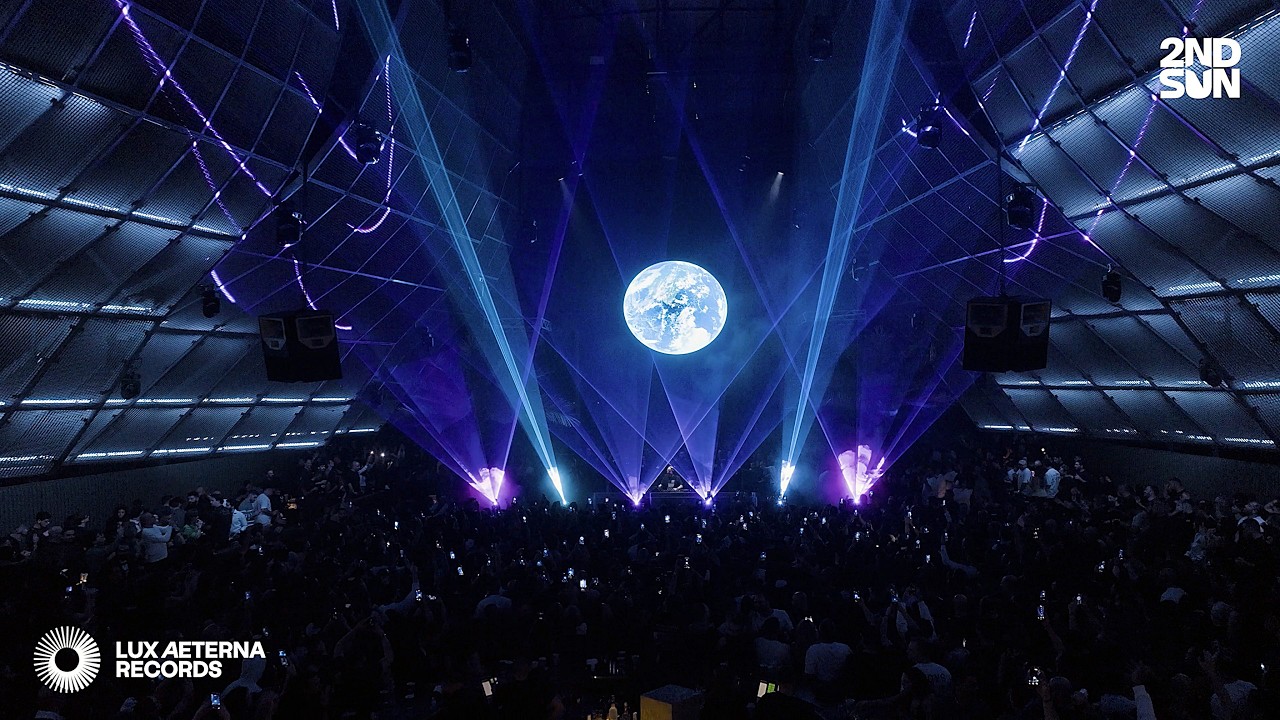
From a strictly analytical and musical perspective, Father Guilherme's sound repertoire is no condescending joke or improvised product for the masses. When meticulously dissecting his live sets, we find a clear predilection for the deeper sides of melodic techno and cutting-edge progressive house, genres that inherently invite introspection and altered states of consciousness through their prolonged arpeggios and enveloping cinematic atmospheres. However, the most distinctive and innovative feature of his artistic proposal is the masterful incorporation of "vocal chops" and samples extracted directly from ecclesiastical papal speeches. Throughout his complex harmonic transitions, it is common to hear fragments of historical homilies by John Paul II, moral reflections by the late Pope Francis, and even messages of support and hope from the current pontiff, Leo XIV. These speeches are carefully processed in the studio with elaborate tape delay effects and expansive reverb, integrating sublimely and respectfully over incredibly deep bass lines. This bold exercise in musical syncretism manages to completely recontextualize the religious message, packaging it in a contemporary acoustic format that resonates powerfully with the aesthetic and rhythmic codes of Generation Z and millennials.
Evidently, this bold and unprecedented proposal has not been without intense media and institutional polarization. On one hand, the most conservative, dogmatic, and orthodox sectors of the Catholic Church have repeatedly expressed their deep discomfort, arguing that the dark aesthetic of nightclubs and the historical association of electronic music with narcotic substances and nocturnal debauchery are inherently incompatible with solemn priestly vows. However, we observe how Father Guilherme has managed to navigate and dismantle these criticisms with impeccable intellectual eloquence and, surprisingly, with the direct backing of the highest spheres of the Vatican itself. His narrative discourse is clear, pristine, and extremely forceful: clubbing culture, in its purest and most original essence, is fundamentally about radical tolerance, unity without prejudice, and unconditional love for one's neighbor. By taking his Christian message to the aggressive dance floor, the priest is carrying out a work of hyper-modern evangelization, proactively occupying those spaces where modern youth genuinely congregate in search of community, catharsis, and emotional belonging. Instead of sitting and waiting passively for young people to come to church on Sunday mornings, he has made the brave decision to take the majesty of the temple directly to the feverish early hours of Saturday nights.
Music is like a bridge that leads us to God. It is capable of transmitting feelings, emotions, even the deepest movements of the soul, elevating them and transforming them into an imaginary ladder that connects earth and heaven.
— Father Guilherme (Exclusive statements, April 2026)
Impact on the Industry: Booking Strategy or True Revolution?
What exactly does the unquestionable international consolidation of Father Guilherme mean for the immediate future of our global electronic scene? As veteran music industry analysts, we firmly believe that his monumental success underscores and exposes a growing consumer trend toward the search for narratives with a real purpose within contemporary club culture. Promoters of large entertainment brands and all-powerful booking agents have begun to understand that today's demanding audience is no longer satisfied solely and exclusively with expensive strobe light shows, giant LED screens, and massive pyrotechnics; ravers demand genuine backstories, palpable authenticity, and immersive experiences that offer a sense of real community connection that transcends the dance floor. Hiring an active Catholic priest as an official headliner on a line-up has ceased to be seen by executives as a mere media eccentricity to generate headlines, quickly becoming a bold statement of intent regarding absolute diversity and radical inclusivity on the dance floor. Furthermore, his unprecedented ability to organically bring together both practicing religious devotees and inflexible underground techno purists in the same sweaty physical space creates a sociological experiment without historical precedent; a phenomenon that, incidentally, benefits the massive ticket sales and the global visibility and acceptance of electronic dance music in mainstream media outlets enormously.
By way of a deep editorial conclusion, and addressing the subject from our intrinsic critical perspective, the fascinating anthropological journey of Father Guilherme—from the humble and silent rural chapels of the Portuguese interior to the gigantic and noisy stages most coveted by the world's electronic mecca—stands as a living and undeniable testament to the unifying and transformative power of rhythm. In a turbulent era where the multi-billion dollar music industry often feels over-commercialized, aseptic, frivolous, and dangerously disconnected from its foundational community values, the magnetic presence of a humble priest operating masterfully behind the decks reminds us in a visually and audibly striking way of the true sociological roots of dance music: the creation of a sacred and safe space where people of absolutely all backgrounds, strata, and beliefs can congregate freely under the mantle of the same groove. Whether one considers oneself a deeply devout believer, an agnostic skeptic curious about the morbid nature of the situation, or simply a secular raver looking to lose oneself in the sub-bass, the cathartic and communal experience that Guilherme orchestrates with such precision is a resounding celebration of the fragility of life and necessary human empathy. At the end of the long and dark night, the continuous and relentless kick drums of melodic techno and the fragile beats of the human heart share exactly the same universal rhythmic metric, and Father Guilherme has known how to synchronize them impeccably with a mastery that, frankly, we can only describe as heavenly.
- Milenio: Exclusive interview and information about the tour in Mexico (April 2026).
- Wikipedia: Biographical profile, discography, and military chronology of Guilherme Peixoto.
- YouTube: Official audiovisual record of live performances, mixing technique, and full sets.