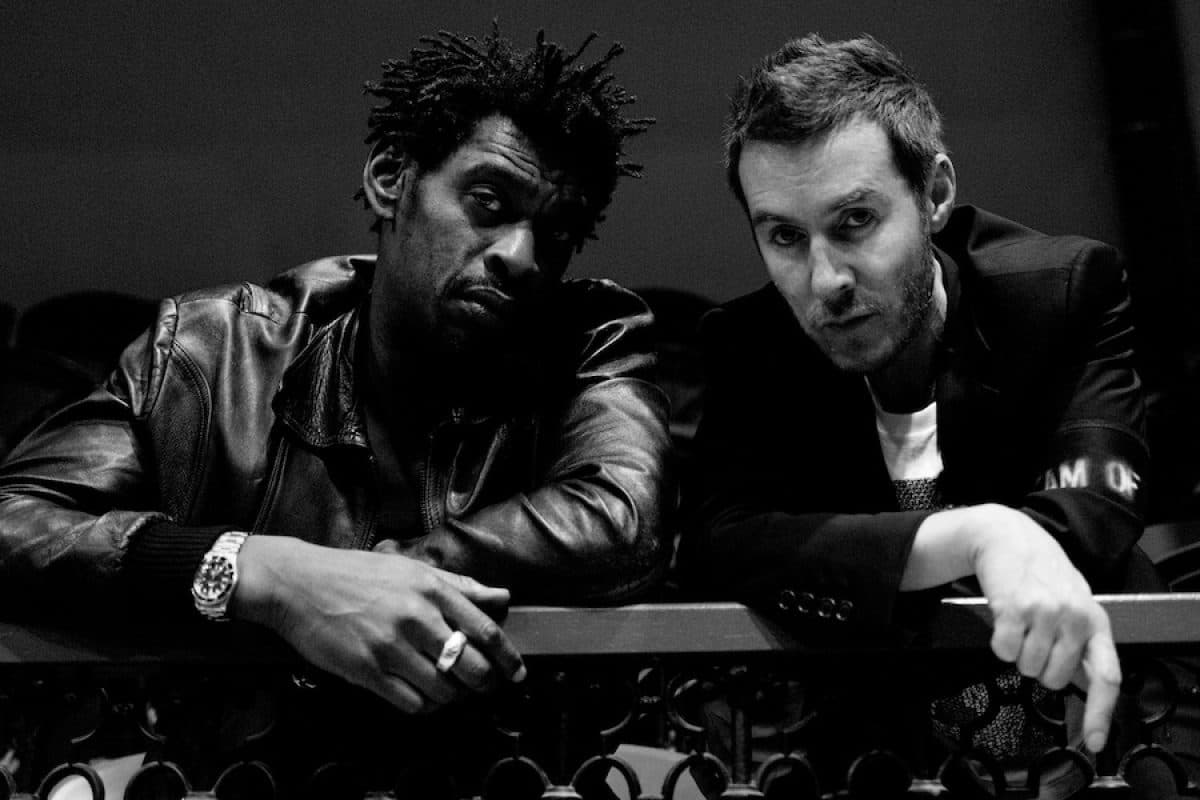

On July 29, 2026, the pioneering British trip-hop group, Massive Attack, was involved in an episode that has sparked an intense international debate regarding freedom of expression in the live music industry. During their performance at The Star Theatre, located in Singapore, founding members Robert "3D" Del Naja and Grant "Daddy G" Marshall unfurled a Palestinian flag on stage. This act, accompanied by spontaneous chants of "Free Palestine" from the audience, triggered a swift and severe intervention by local authorities, culminating in a permanent ban on the musicians re-entering the country.
The incident at The Star Theatre and the government response
Laws in Singapore maintain rigorous control over the display of foreign political symbols. According to statements issued on July 31 by the Singapore Police Force and the Infocomm Media Development Authority (IMDA), the artists were investigated for allegedly violating the Foreign National Emblems (Control of Display) Act and the Public Order Act. The Asian country's legislation strictly prohibits the public display of foreign flags or emblems without prior official permission, arguing that the importation of external politics can undermine the state's social cohesion and racial harmony.
Following the conclusion of the concert, institutional reprisals were carried out immediately. According to the band's direct testimony, security forces proceeded to detain and interrogate the group's members under a climate of high diplomatic tension.
We were surprised and disappointed that our entire band was detained by the police, isolated and interrogated separately, with some members subjected to searches in their hotel rooms and the temporary confiscation of their passports.
— Massive Attack (Official Statement)
The official statement and the band's unwavering stance
On Sunday, August 2, Massive Attack used their official Instagram profile to break their silence and offer their version of events. In the document, the Bristol-based group detailed what they described as a "surreal" experience, reaffirming their unwavering commitment to the political activism that has characterized their career for over three decades. The artists explained that before taking the stage and at the end of the show, large sections of the auditorium led chants in support of Palestine, demonstrating a clear desire to express solidarity despite the local government's strict censorship laws.
- Incredulity regarding the illegality: The band expressed that they did not imagine that holding the flag of a sovereign state recognized by 157 countries could violate any law.
- Pride and solidarity: They stated they felt proud to have shared that improvised expression with their Singaporean fans, praising their moral courage in the face of the reality of occupation and apartheid.
- Global criticism: They extended their denunciation to the inaction of the international community and recalled that the defense of human rights is also threatened in their home country, the United Kingdom, citing arrests under terrorism laws against peaceful protesters.
The head-on collision between artistic freedom and local legislation
Electronic music, since its origins on the fringes of clubbing, has been intrinsically linked to movements of resistance and political dissent. In the case of Massive Attack, their discography and live shows—globally known for incorporating LED screens with statistical data, news headlines, and social protest messages—have always functioned as a vehicle for critical commentary. This incident is not an isolated event in their trajectory, but a logical continuation of their artistic ethos. By facing Singapore's regulations, the band exposes the contradictions of a globalized touring circuit where art is exported, but the freedom of expression that accompanies it is often held at the border.
The ban on the trip-hop pioneers sets a complex precedent for future bookings of international artists in the region. Local promoters now face the monumental challenge of balancing the artistic integrity of the talents they represent with strict compliance with Asian legal frameworks. Despite the severe formal warnings issued by the authorities and the ban on returning, the musicians concluded their public statement with a message of gratitude toward the local citizens for their hospitality. However, the closing of their statement made their immovable position on the conflict clear, sealing the text with the same phrase that sparked the controversy: "As we were saying... Free Palestine."