
The arrogance of the purist: An endemic evil
Let's be clear from the first line, because I don't have time for sugarcoating or stroking the egos of armchair music lovers: your snobbery reeks of mothballs. For years, I've been hearing the same exhausting refrain at club bars, in diggers forums, and in the comment section of this very magazine: "Today's stuff isn't music," "the algorithm is killing us," "anyone with a laptop thinks they're an artist." It is the preemptive weeping of a generation that has decided culture ended when they stopped going out to party.
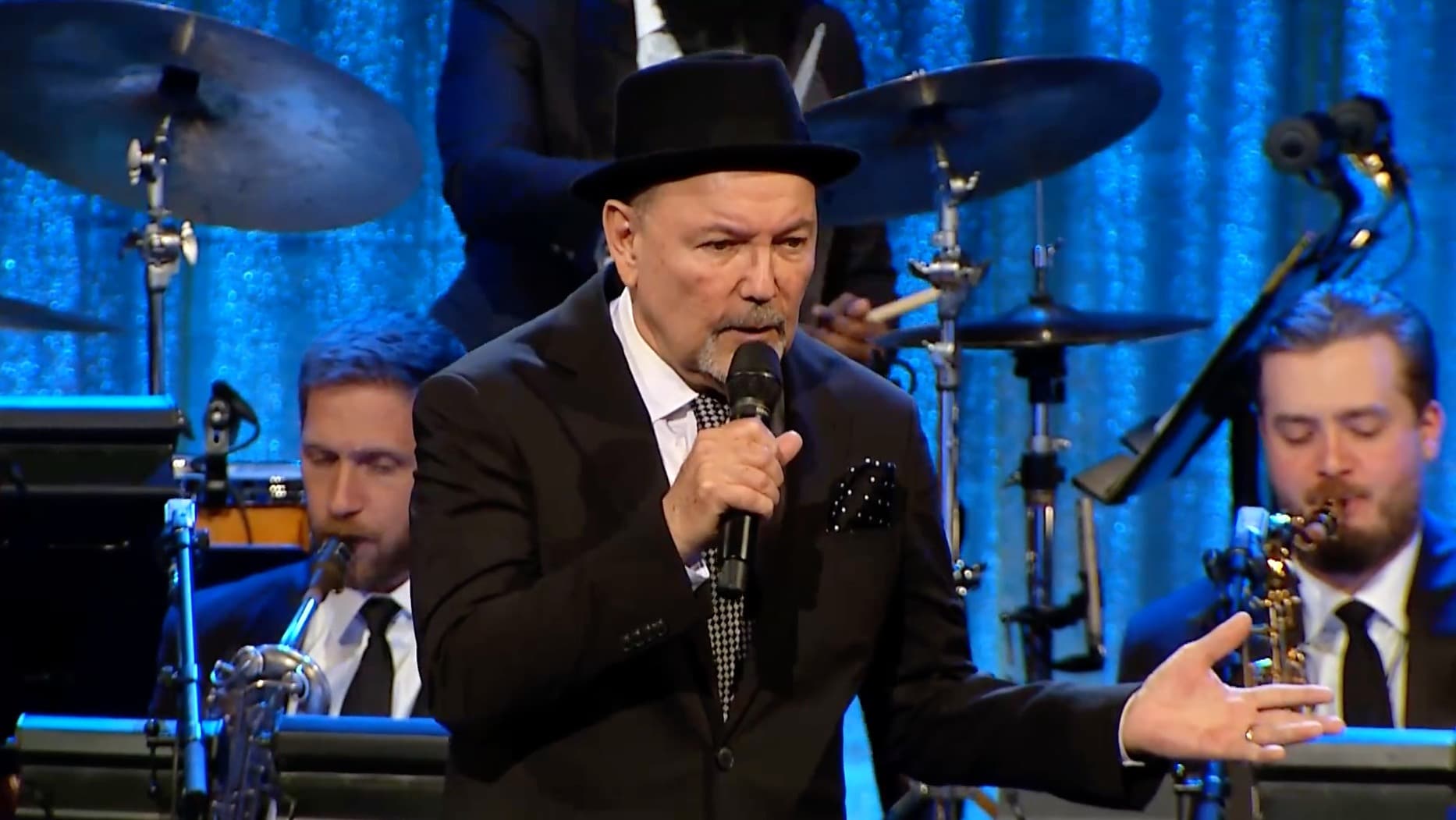
But then comes Rubén Blades. Yes, the poet of salsa, the man who elevated Latin music to literary narrative, the Harvard intellectual. And instead of joining your chorus of reactionary laments, he gives you a slap of reality that resonates from Panama to Ibiza. Blades has once again touched a nerve in the eternal debate about "trash music," and his stance is so lucid that it should make more than one music critic who thinks they are the guardian of essences blush.
You cannot disqualify a generation simply because you don't understand its code. Music serves a function, and if people dance, if people feel, who am I to say that it is trash?
— Rubén Blades (Media statements)
The myth of technical complexity
The favorite argument of the detractor of urban music and modern electronic music (yes, I put you in the same bag, because the hatred for generic Tech House is born from the same rotten root as the hatred for Reggaeton) is the lack of complexity. "It's just four chords," "it's all autotune," "the drop is predictable." So what? Since when is popular music a conservatory exam?
Blades explains it with a clarity that disarms any technical counterargument. He, who has worked with complex harmonies and dense lyrics, defends the validity of simplicity if it manages to connect. The history of music is not a straight line toward sophistication; it is a pendulum. Punk was a three-chord reaction against the masturbatory virtuosity of Progressive Rock. Detroit Techno was born from cheap machines and hypnotic repetition, not from symphony orchestras. If we judge art only by the difficulty of its execution, we should all be listening to experimental Free Jazz on a loop and hating The Beatles.
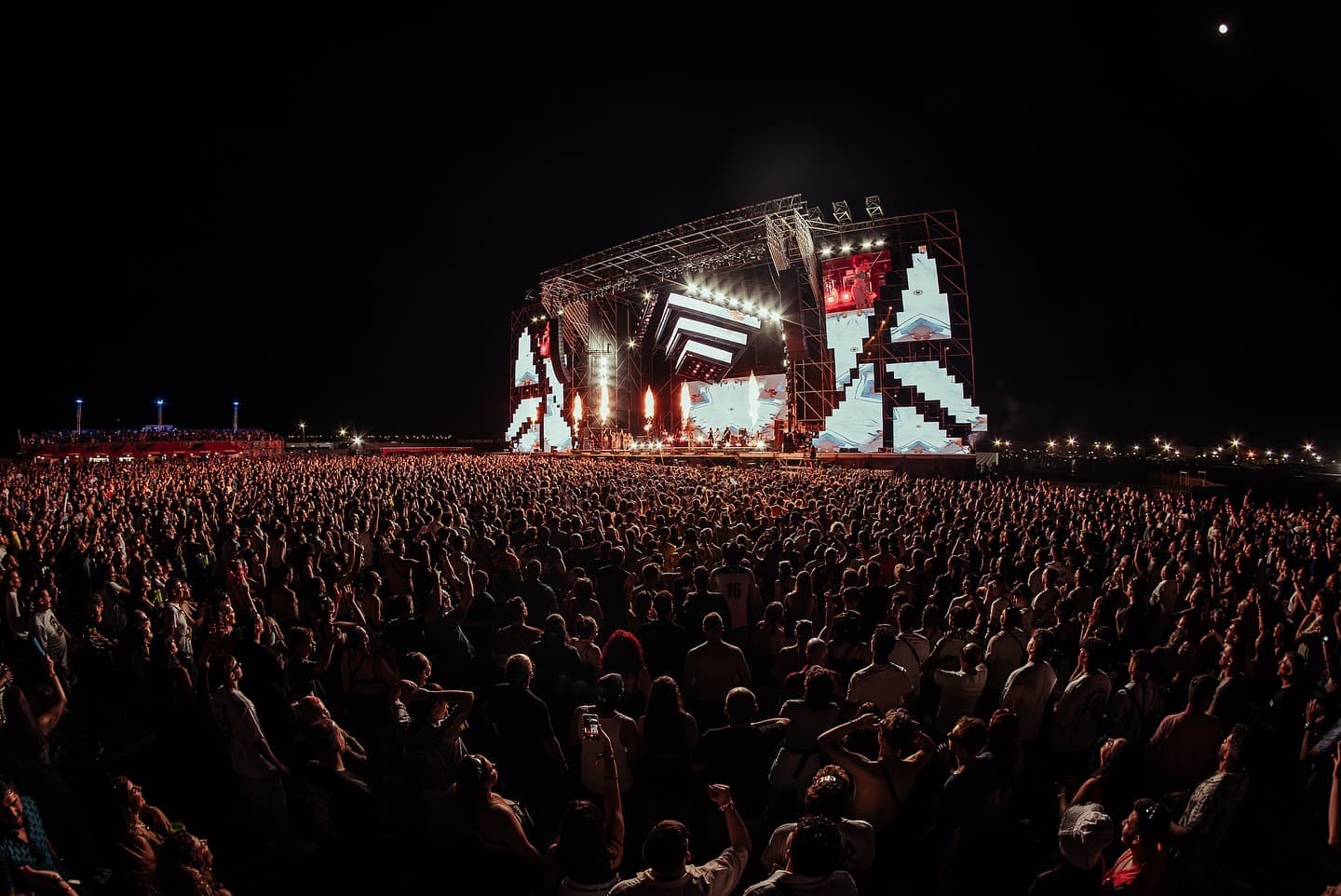
What really bothers you is not the "low quality" of current music. What bothers you is that you are no longer the target audience. It hurts you to see how festivals like Sónar or Coachella fill their main stages with artists who use pre-recorded tracks and aesthetics you don't understand, while your 90s idols play on secondary stages or on nostalgia tours. Blades reminds us that every generation has its own language, and calling that language "trash" is the cultural equivalent of yelling at a cloud.
Electronic and urban music: Cousins in contempt
It is fascinating to see how the electronic community, which has historically been marginalized and treated as "noise" by the traditional rock press, now repeats the same patterns of exclusion with urban genres. How many times have you heard a "serious" Techno DJ mock commercial music? It is blatant hypocrisy. Blades, by collaborating with artists like Residente or by defending Bad Bunny, is breaking down those artificial barriers.
Blades' defense is not a blank check for mediocrity, mind you. He distinguishes between art and product, but refuses to condemn the entire genre. The same thing happens in electronic music: there are EDM tracks that are auditory fast food, and there are masterpieces of synthesis. But labeling an entire youth movement as "trash" is an act of intellectual laziness. When Blades says that "music is a reflection of the time in which one lives," he is telling us that if today's music sounds synthetic, fragmented, and aggressive, it is because our world is synthetic, fragmented, and aggressive. Killing the messenger will not change reality.
Conclusion: Either you evolve or you go extinct
So, the next time you feel tempted to write an incendiary tweet about how today's music is a disgrace, take a deep breath and ask yourself: Am I analyzing the music or am I crying for my lost youth? Rubén Blades, with more Grammys and more history than all of us combined, has chosen to understand instead of judge. He has chosen curiosity over cynicism. And that is, precisely, the difference between an eternal artist and a grumpy old man.
The industry will keep spinning. Festivals will keep programming what people want to dance to. And while you stay in the corner with your arms crossed, indignant because the BPM isn't right or because the lyrics are too simple, the world will keep dancing without you. And honestly, no one will miss you.