

The unstoppable rise of AI in music creation
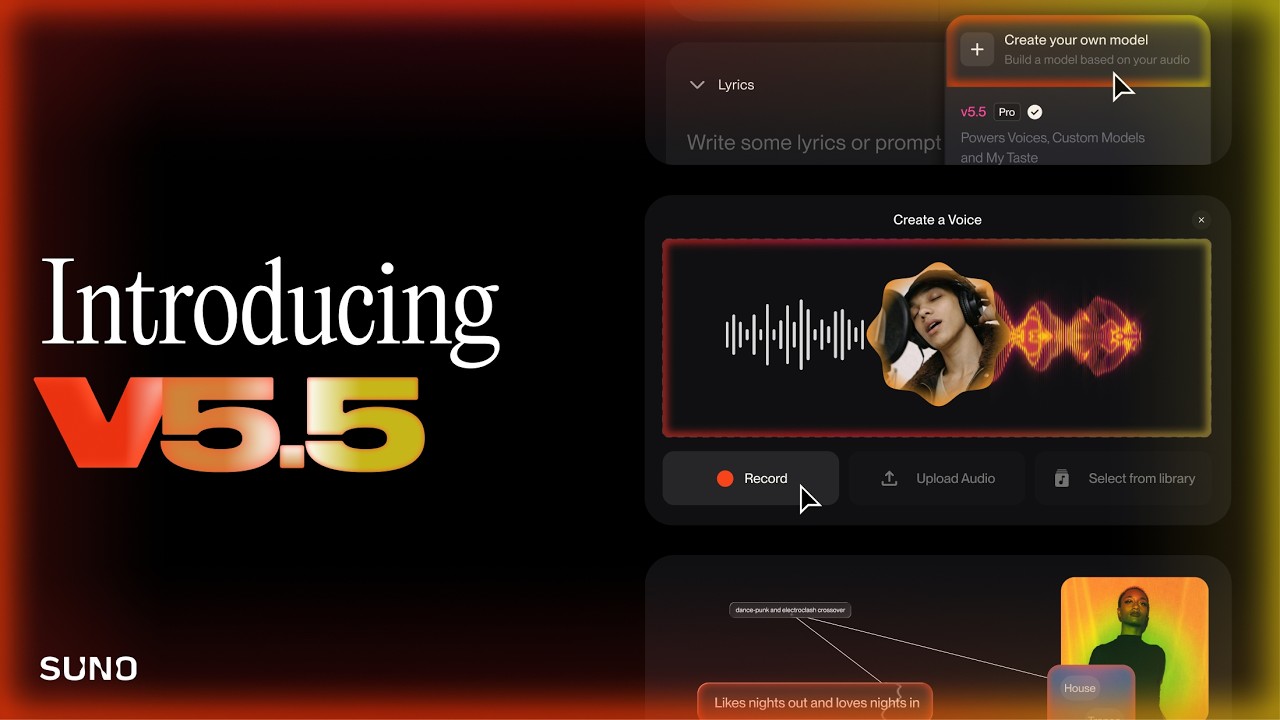
The generative artificial intelligence platform Suno is in a crucial phase of expansion. According to recent financial reports, the American company is about to close a Series D funding round that would raise its market valuation to $5 billion. This move, which seeks to raise more than $250 million in fresh capital, would double the $2.45 billion valuation obtained in its previous Series C round at the end of last year, consolidating the startup as a tech giant in the digital audio and electronic music landscape.
100 million users and an expanding business model
Despite legal friction with much of the traditional music industry, the platform's adoption metrics are overwhelming. This month, the company confirmed it has surpassed the 100 million global user barrier, of which more than two million are paid subscribers. With an estimated turnover of $150 million over the past year and revenue peaks reaching $25 million per month, the automated synthesis engine is generating nearly seven million tracks daily, surpassing any other conventional production software in creation volume.
Suno is the Ozempic of the music industry: everyone is using it, but no one wants to talk about it.
— Mikey Shulman, CEO of Suno
Start playback
Lawsuits from the 'majors' and distributor blocking
The tool's dazzling commercial success has not been without intense controversy in the courts. Since mid-2024, Suno has faced a mega-lawsuit driven by the Recording Industry Association of America (RIAA) on behalf of titans like Sony Music Entertainment and Universal Music Group. The record labels accuse the company of training its massive language models using copyrighted recordings without prior license, demanding compensation of up to $150,000 per infringed work.
Although the startup reached a strategic agreement with Warner Music Group, integrating collaborations for licensed models and even acquiring the event platform Songkick, tensions with the rest of the sector continue. Recently, major digital distributors like Believe and TuneCore have updated their policies to automatically block the upload of tracks generated on unlicensed AI platforms, classifying these systems as pirate studios until their legal situation is regularized.
Real impact on the electronic music scene
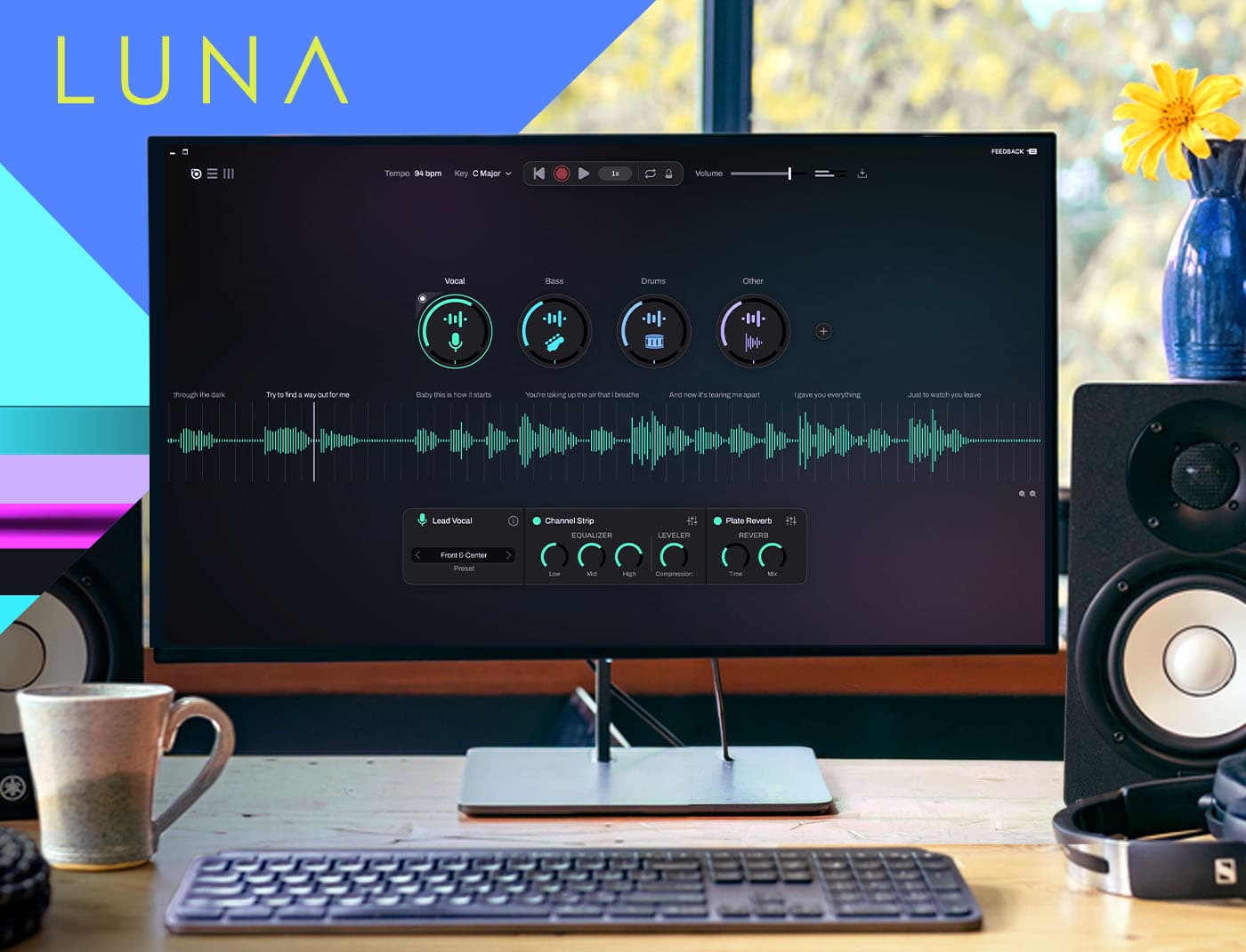
Far from legal offices, Suno's impact on electronic music production studios is undeniable. Producers and DJs are integrating this AI into their workflows not as a substitute, but as an advanced ideation assistant. Thanks to recent updates that allow for track separation (stems), MIDI file export, and a work environment similar to a Digital Audio Workstation (DAW), artists extract vocals, chord progressions, or rhythmic textures to then process them with analog synthesizers and traditional drum machines.
- Royalty-free vocal generation: Allows techno and house producers to obtain unique acapellas in seconds.
- Stem extraction: Facilitates the isolation of bass, drums, or melodies for remixing in the club.
- MIDI export: Transforms text-generated ideas into editable digital scores.
In genres where sound design and groove are fundamental, the ability to generate immediate samples has accelerated creative processes. However, the clubbing community maintains an open ethical debate about the authenticity of works generated through text prompts versus the craftsmanship of modular synthesis or manual sequence programming.
Towards a new paradigm in automated synthesis
The capital injection that Suno plans to secure will be primarily used to cover the immense infrastructure costs of servers, memory, and energy needed to maintain its neural network. While licensing negotiations with giants like Universal and Sony remain stalled, technological reality is advancing at a pace that challenges current intellectual property legislation. With an ecosystem increasingly dependent on automation, the electronic music industry faces a paradigm shift where the technical barrier to composing is rapidly blurring.