
The clash between electronic synthesis and visual narrative
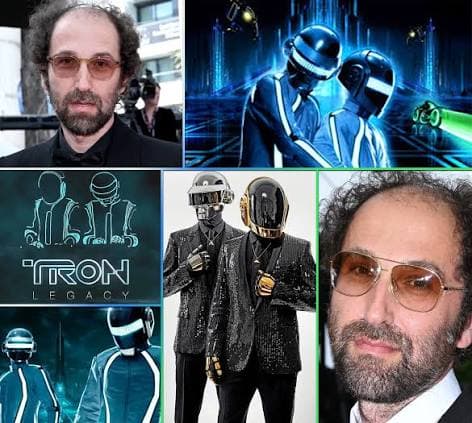
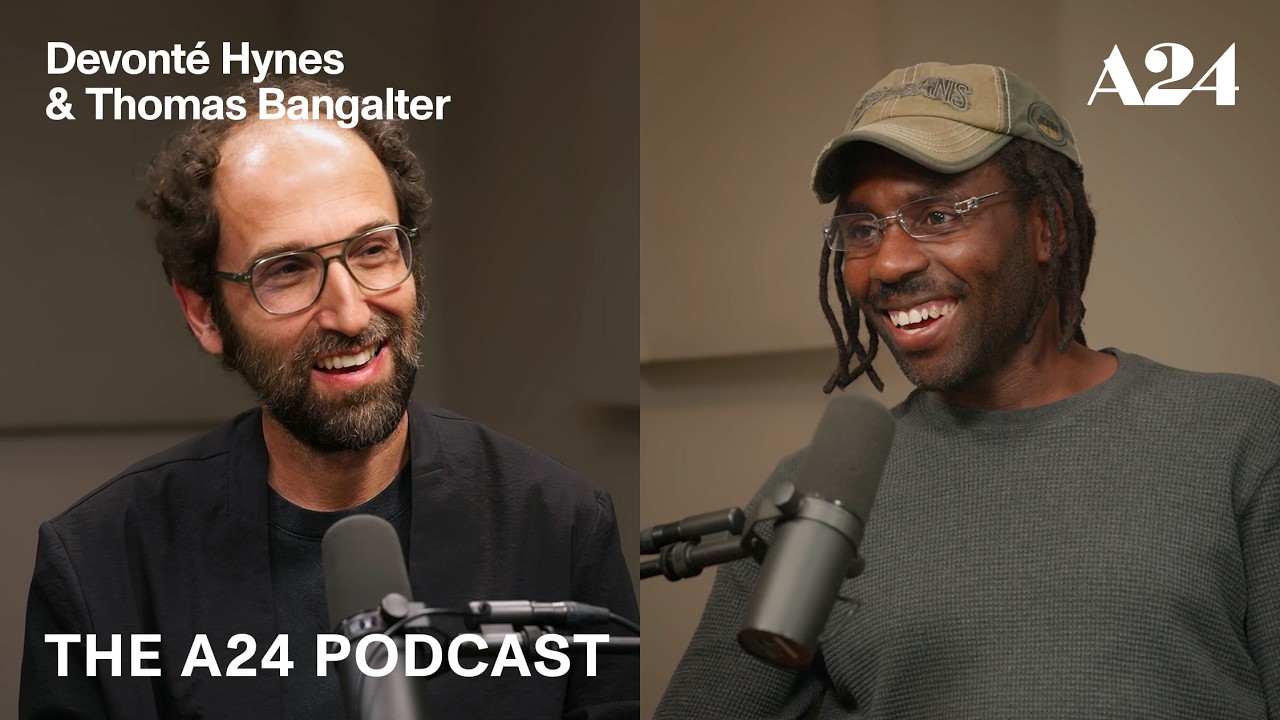
In a recent appearance on the "Genuine Curiosity" episode of the official podcast from independent production company A24, Thomas Bangalter, one half of the legendary French duo Daft Punk, has demystified the creative process behind the acclaimed soundtrack for TRON: Legacy (2010). In an extensive conversation with musician Devonté Hynes, the Parisian producer detailed the severe technical and narrative restrictions he faced alongside Guy-Manuel de Homem-Christo during the year and a half the project lasted. Far from the aura of mysticism that usually surrounds the group, Bangalter described the experience at the Disney studios as extremely limiting and, at certain moments, depressing, shedding light on the true working dynamics of Hollywood blockbusters.
Mid-range frequencies, polyphony, and the dictatorship of dialogue
The main challenge of the work lay in the integration of modular and analog synthesis with a massive symphony orchestra composed of 85 musicians. According to statements taken directly from A24's official channels, director Joseph Kosinski's original vision pointed toward a purely electronic score. However, after fifteen years of producing non-stop club music, Bangalter and de Homem-Christo imposed a hybrid direction inspired by the grandiloquence of classics like Fantasia. The true technical friction arose during the mixing and equalization phase: any complex arrangement of polyphonic synthesizers operating in the mid-frequency range came into direct conflict with the actors' dialogue lines.
I had all these ideas about things we could really make music with. But the goal of a film soundtrack is to step back from the performance and not get in the way.
— Thomas Bangalter
This acoustic limitation forced the duo to discard rich harmonic textures in favor of a much more minimalist approach. Bangalter explained that they ended up resorting almost exclusively to pulsating bass lines in the low spectrum, adopting a sound design that oscillated between the orchestral tension of Bernard Herrmann and the rhythmic sequences of John Carpenter. The need to empty the mid-spectrum to ensure vocal intelligibility was an exercise in extreme restraint for artists accustomed to dominating the entire frequency range in their electronic music productions.
Start playback
The wear and tear of the process: composing in front of a blue screen
Added to the sound engineering limitations were the challenges inherent in visual effects post-production. The Daft Punk co-founder revealed that the process lacked traditional temp music. The duo began generating musical sequences before filming started and continued working on preliminary cuts. This translated into months of work in the studio watching only the faces of actors like Jeff Bridges, Garrett Hedlund, and Olivia Wilde against blue chroma backgrounds, without definitive visual references. This visual disconnection, added to the demand for millimeter precision required by Disney executives, generated unprecedented creative and emotional wear and tear in the Frenchmen's career.
An untouchable legacy forged in technical adversity
The transition from the absolute freedom of the recording studio, where the BPM and the groove dictate the non-negotiable structure of the track, to the rigidity of cinematic timing meant a severe methodological clash. The obligation to silence musical expressiveness so as not to overshadow the visual narrative is a known obstacle for electronic producers who venture into the seventh art, where dynamic range compression prioritizes the story over the fidelity of the beat. Despite the recently documented frictions and the emotional toll confessed by Bangalter, the TRON: Legacy soundtrack remains an indisputable reference work. The revelation of these internal tensions only magnifies the technical rigor and discipline required to sculpt a sonic milestone under the strict and inflexible parameters of the film industry.