
The analog renaissance in the heart of Art Basel
Recently, the city of Basel has become the absolute epicenter of the convergence between cutting-edge electronic music and contemporary art. On June 20, 2026, the immersive installation known as Warehouse Artefacts, located in the imposing Messe Basel venue, witnessed an extraordinary musical event. Thomas Bangalter, acclaimed French producer and co-founder of the legendary duo Daft Punk, offered a live performance using exclusively analog hardware and modular systems. This event has generated a profound impact on the community of audiophiles and techno lovers, marking a milestone in large-format live performances.
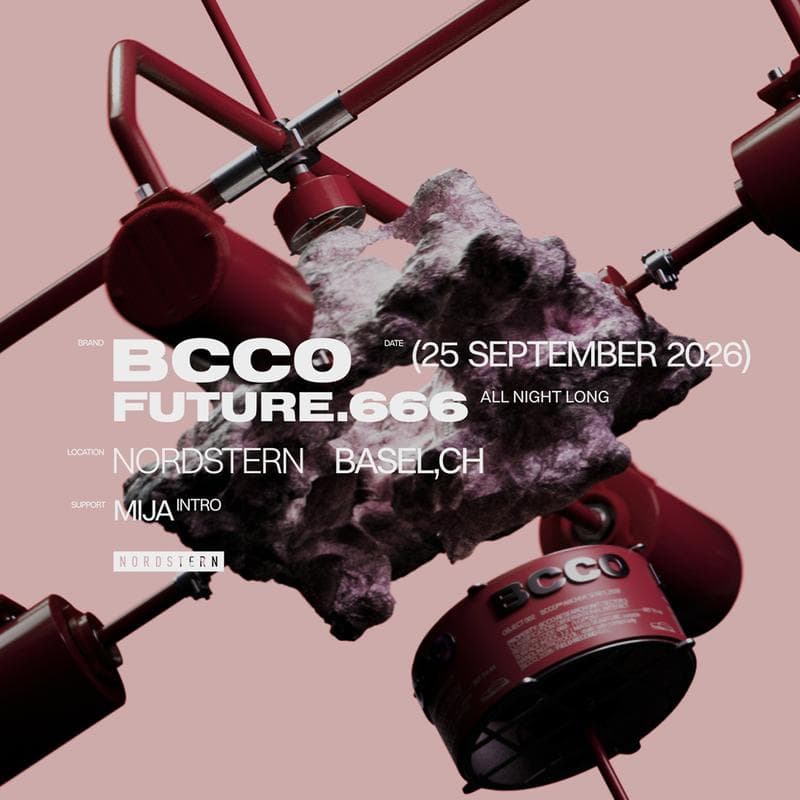
The ambitious proposal was conceived as a deconstructed dance floor, the result of a transdisciplinary collaboration between Bangalter himself, producer and DJ Rampa (a fundamental member of the Keinemusik collective), and the renowned conceptual visual artist Julian Charrière. The complex production of the event was carried out by the local institution Nordstern Basel, also counting on the prestigious institutional support and direct cooperation of the Art Basel fair and the Fondation Beyeler.
The disconnection policy: A return to purist enjoyment
One of the most commented aspects of the day was the strict no-mobile-device policy implemented by the organization. Upon arrival, attendees had to deposit their phones, smartwatches, and any recording equipment in sealed pouches. This brave curatorial decision guaranteed an uninterrupted sensory experience, forcing the public to connect viscerally with the frequencies emitted by the synthesizers and the lighting design of the space, without the constant distraction of digital screens.
The main objective of Warehouse Artefacts is to return the focus to human connection and the purity of live sound, moving away from modern hyper-documentation.
— Event philosophy supported by Art Basel
Sonic exploration: The technical arsenal of the former Daft Punk
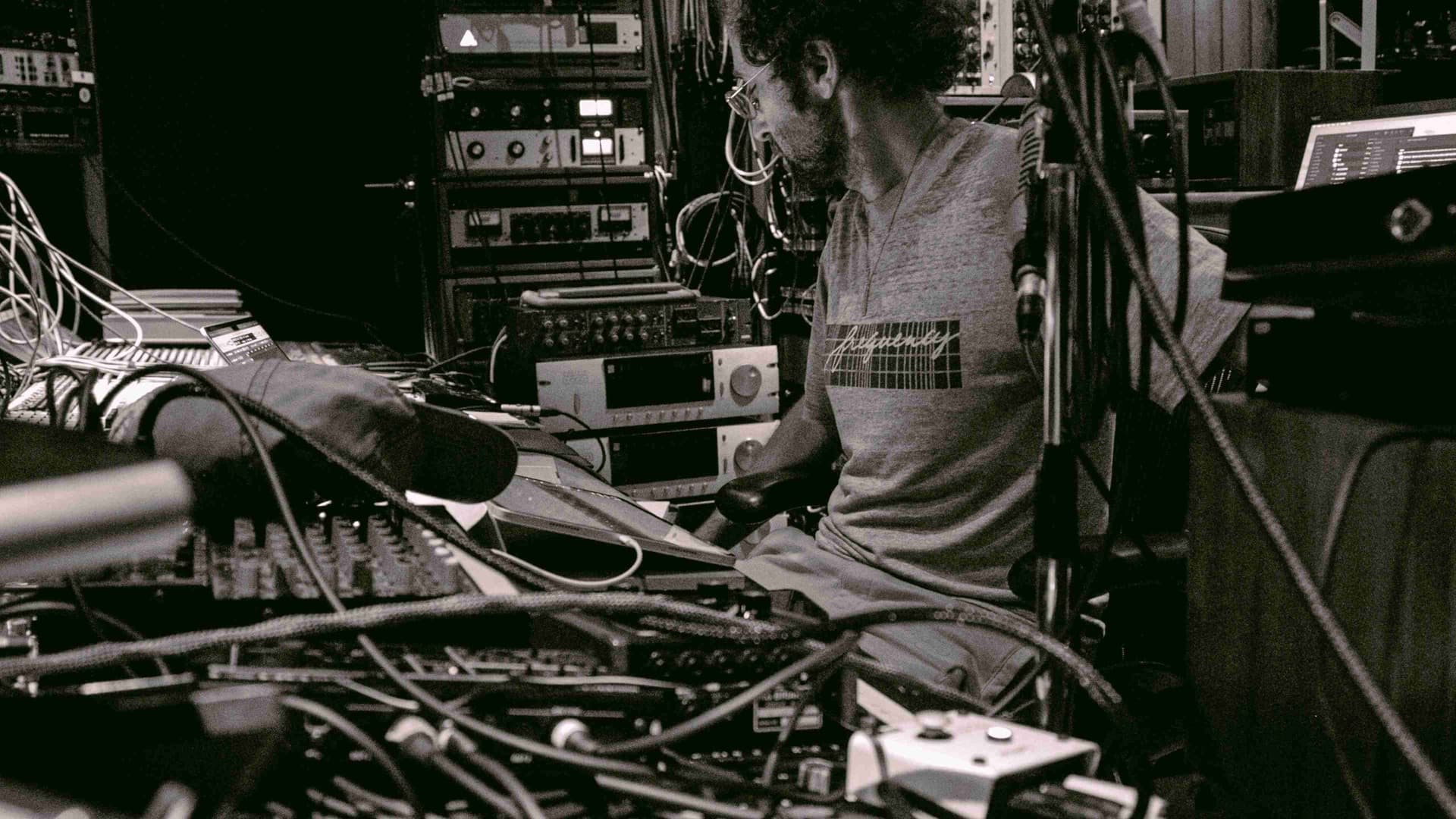
Moving away from conventional digital setups and laptops that dominate the current scene, the Parisian musician opted for a tactile, physical, and highly risky approach. According to the technical specifications revealed after the event, the nerve center of his performance was the iconic Doepfer A-100 modular system. Originally introduced in 1995 by the German manufacturer Doepfer Musikelektronik, this Eurorack standard allowed Bangalter to sculpt complex sonic textures, acid basslines, and immersive atmospheres in strict real time.
To sustain the forcefulness of the rhythm section, the main choice fell on the Erica Synths Perkons HD-01 Black. This hybrid drum machine of Latvian origin is widely recognized in the industry for its aggressive percussive character, its digital oscillators combined with analog filters, and its distinctively lo-fi sound.
- Doepfer A-100 Modular System: In charge of main synthesis, envelope generation, and frequency modulation.
- Erica Synths Perkons HD-01 Black: Responsible for rhythmic patterns, saturated kicks, and industrial percussion.
- BASF magnetic tape machine: Used in the final stage of the audio chain to unify the mix, providing analog saturation and the warmth characteristic of vintage recordings.
From daytime exhibition to nocturnal frenzy
The structure of the day at Warehouse Artefacts was divided into two clearly differentiated phases, designed to progressively alter the viewer's perception. From 11:00 AM to 5:00 PM, the immense pavilion functioned as an immersive art installation that explored the intersections between European political history and global underground culture. Starting at 6:00 PM, the dynamics of the space mutated radically towards a traditional clubbing atmosphere, culminating in a high-intensity rave format that included an extensive DJ set by Rampa.
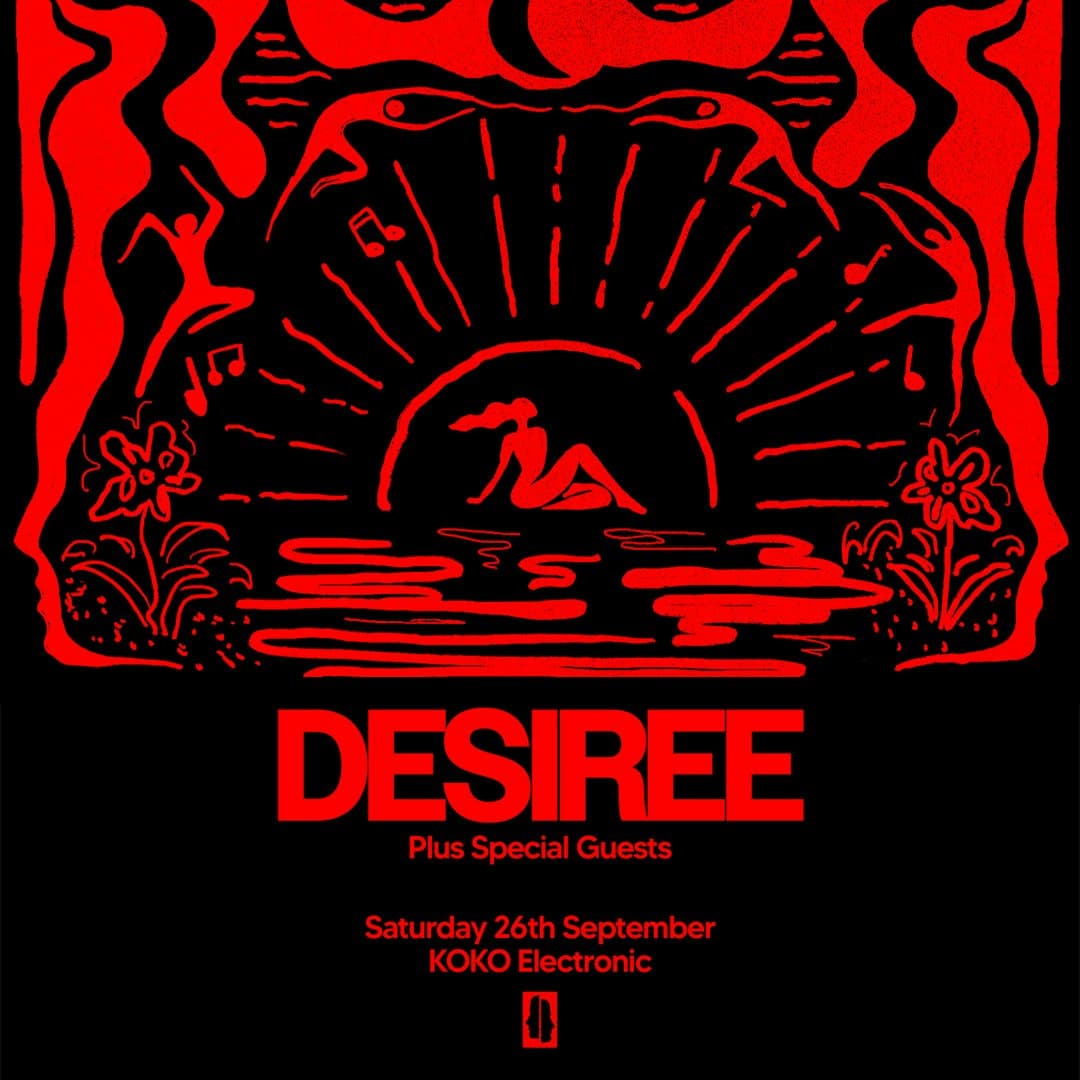
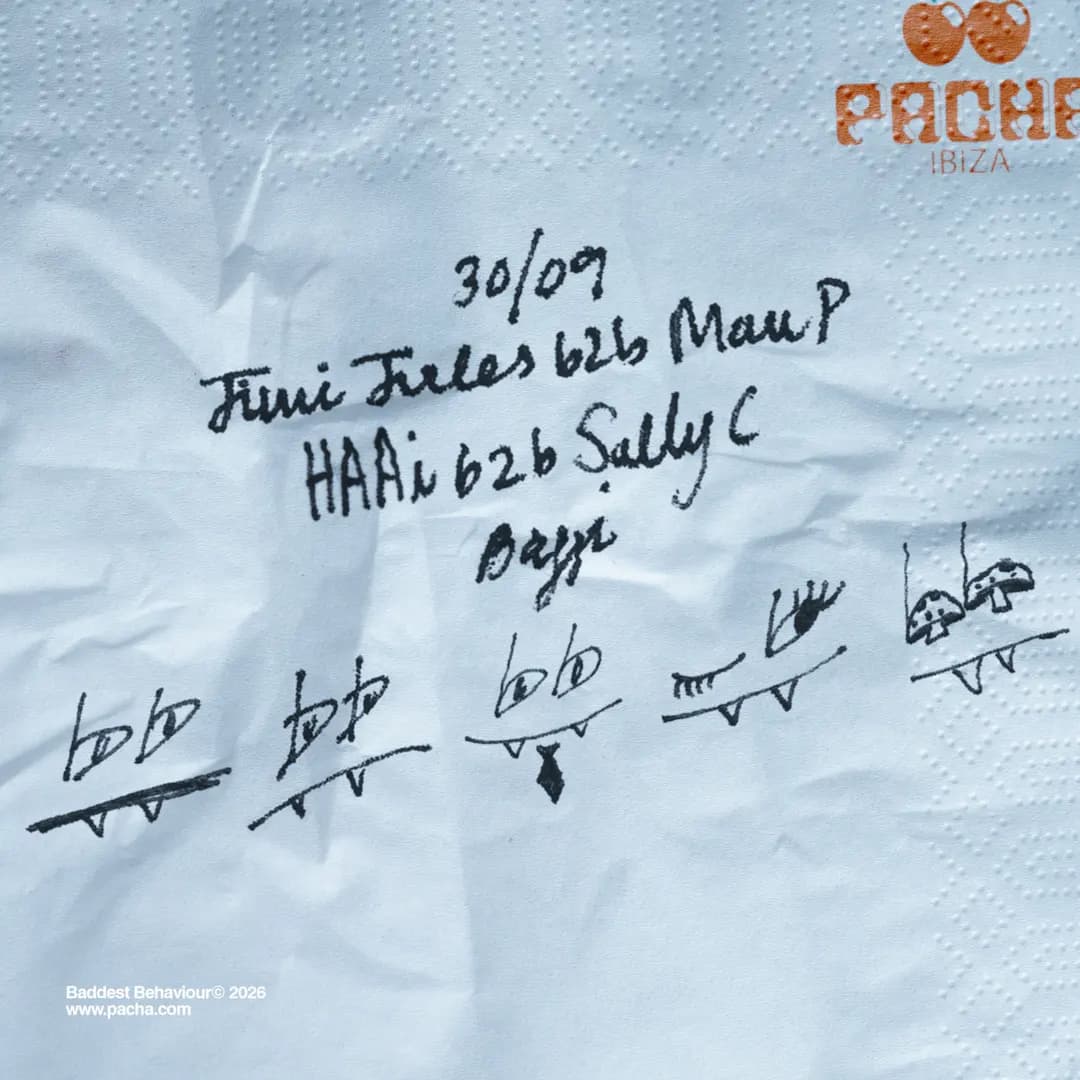
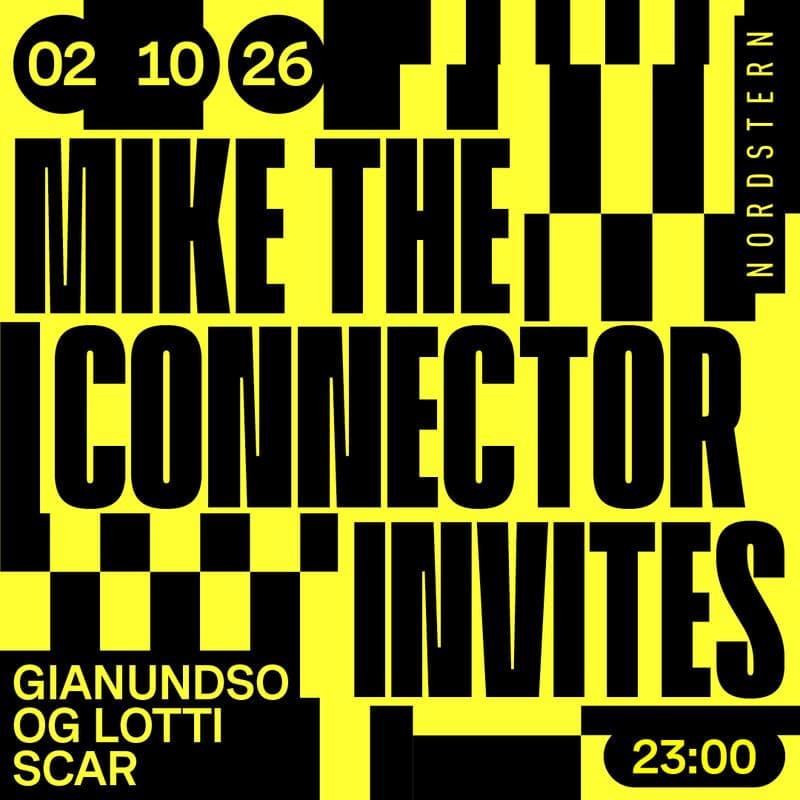
Subsequently, the musical momentum did not stop, but moved to the facilities of the renowned club Nordstern Basel for the official event called after.art.klub. The nighttime programming extended into the early hours of Sunday morning, led by prominent figures of the international electronic scene such as South African artist Desiree, acclaimed Swiss producer Jimi Jules, and local talent Yare, who kept the dance floor in constant motion.
The impact of live synthesis on contemporary culture
The decision of an artist of the stature of Thomas Bangalter to dispense with digital synchronization underscores a renewed commitment to human imperfection and the risk inherent in live synthesis. By integrating purely analog machinery into an environment of high artistic fidelity, the status of club music is reaffirmed not only as a vehicle for nocturnal entertainment, but as a rigorous discipline of technological avant-garde. This event in Basel will be recorded as a statement of intent regarding the future and past of sonic experimentation.