
Anti-drug operation and results in the 2026 edition
Following the conclusion of the weekends of Tomorrowland 2026 in the iconic Belgian town of Boom, authorities have taken stock of their strict security measures. The Antwerp Public Prosecutor's Office (Parket Antwerpen), in coordination with the Federal Police and the Rupel police zone, has issued an official report shedding light on the consumption and trafficking of narcotics within the massive venue. During the early stages of the event, law enforcement intercepted 192 attendees in possession of quantities of drugs intended exclusively for personal use.
The zero-tolerance policy, rigorously implemented by the festival management and local authorities, resulted in the immediate imposition of on-site fines. These financial penalties, processed as amicable settlements to avoid major judicial proceedings for consumption, totaled 48,150 euros. In addition to the financial impact, offenders faced an inflexible protocol: the confiscation of the substances, the permanent removal of their access wristband, and immediate expulsion from the venue.
Parallel to the sanctions for consumption, the police operation achieved the judicial arrest of 13 individuals actively accused of drug trafficking. These alleged traffickers presented a markedly international profile, with nationalities ranging from Australia, France, China, and Japan, to the United States, the United Kingdom, and North Macedonia. All of them have received direct summonses and must appear at a thematic judicial hearing exclusively regarding Tomorrowland, scheduled for November 25, 2026, in the Belgian courts.
The NICC mobile laboratory and adulterated substances
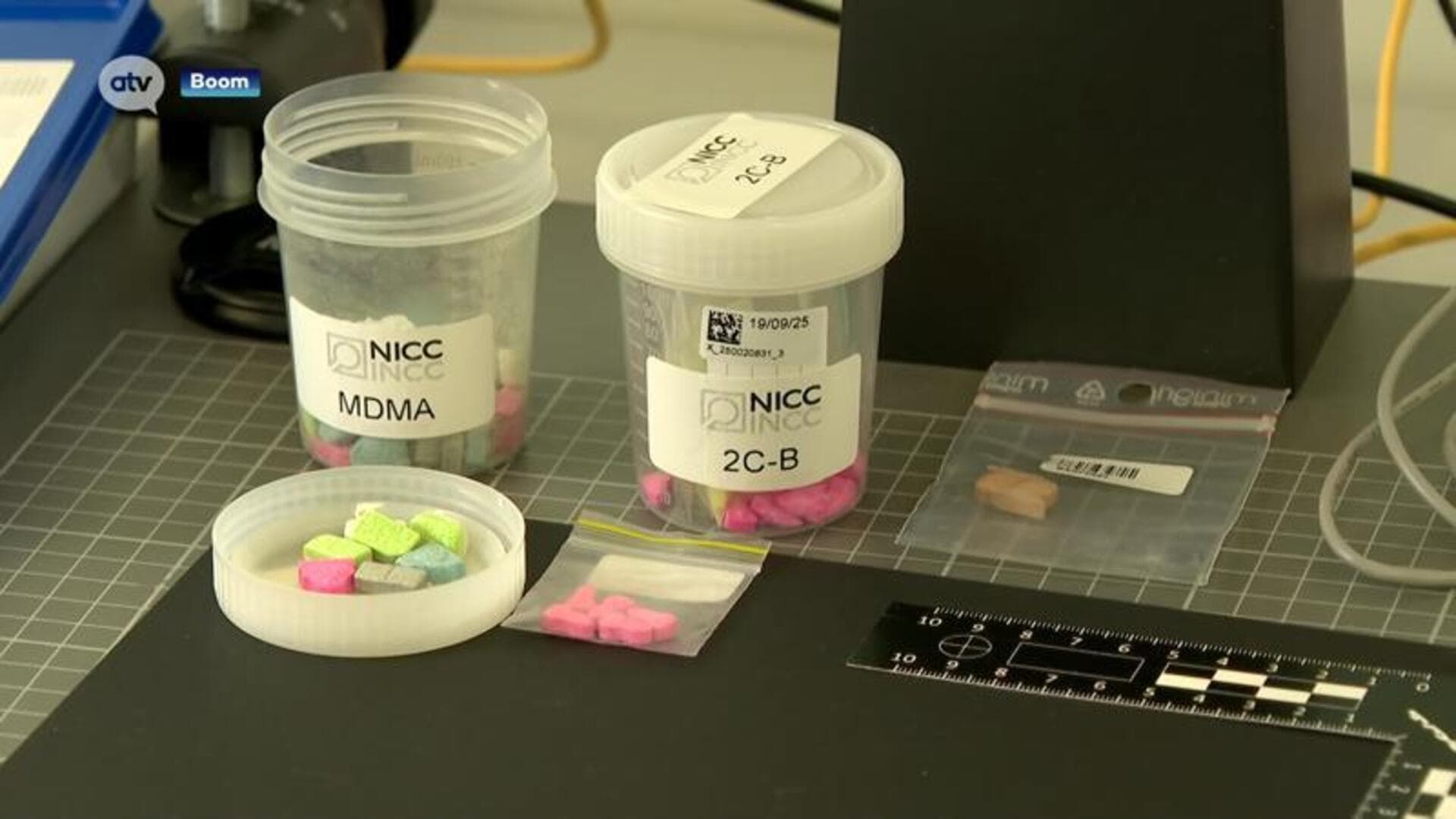
The most revealing and concerning aspect of the operation has been the forensic work carried out by the mobile laboratory of the National Institute of Criminalistics and Criminology (NICC). This scientific unit, strategically installed in the vicinity of the festival to operate in real-time, registered 471 samples seized by the police, managing to exhaustively analyze 358 of them. Toxicological results indicated that 81 percent of the compounds tested contained some type of controlled substance, consolidating MDMA, cocaine, and ketamine as the most widely circulated drugs. Likewise, the data reflected that approximately 15 percent of users carried more than one type of narcotic simultaneously.
The biggest alarm signal for health authorities came from the systematic discrepancy between what users claimed to have purchased and the actual chemical composition determined by the spectrometers. Field tests revealed dangerous realities: pills marketed as MDMA that actually contained high doses of methamphetamine, supposed ketamine that completely lacked its original active ingredient, and cocaine adulterated with cutting agents that are highly aggressive to the body.
Laboratory analyses do not always coincide with what users claim to have bought. This means that many do not really know what they are consuming, or that traffickers are selling highly adulterated products.
— Kato Belmans, spokesperson for the Antwerp Public Prosecutor's Office
Given the extreme gravity of these findings, the NICC team urgently referred 20 specific alerts regarding lethal doses of MDMA and other high-risk substances to Sciensano, the Belgian national public health institute.
A new paradigm in health management for mega-events
The joint strategy deployed in the 2026 edition of Tomorrowland illustrates a very significant evolution in security management within the international electronic scene. The combination of severe police repression against trafficking networks, added to a scientific testing infrastructure on the ground, establishes a hybrid model that prioritizes harm reduction without renouncing the state's punitive control.
The Prosecutor's Office's warning transcends mere police statistics to become a critical awareness message: the black market in mass leisure environments presents such a high level of adulteration that it completely nullifies any capacity for informed consumption by the public. This analytical, transparent, and preventive approach empirically demonstrates that on-site chemical monitoring is an essential public health tool to mitigate the deadly risks associated with contemporary festival culture.