
The community ownership agreement for The Pipeline
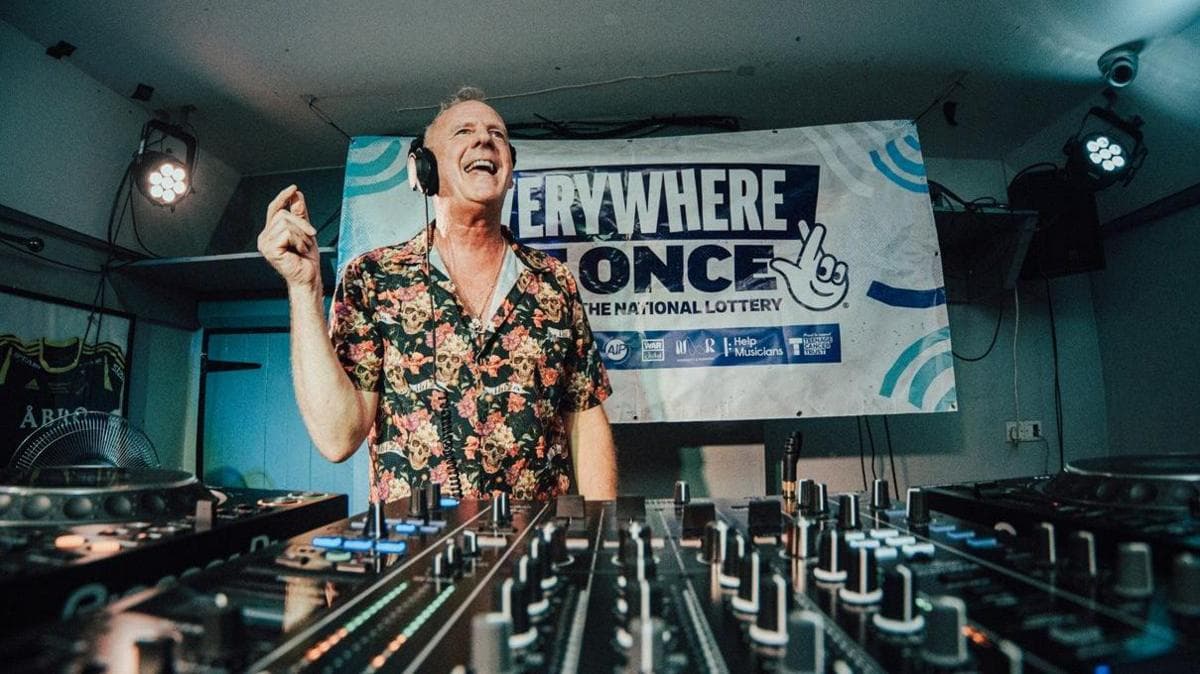
Music producer Norman Cook, known professionally as Fatboy Slim, has made a substantial financial investment to support the acquisition of The Pipeline venue in Brighton. The transaction, officially announced on July 23rd, was executed through the Own Our Venues program. This move places the property's ownership under a permanent community management model, administered by the entity Music Venue Properties (MVP).
With this purchase, The Pipeline becomes the tenth music venue in the United Kingdom to be protected under this structural scheme, joining a portfolio of properties that already includes the following venues:
- The Snug
- The Ferret
- Le Pub
- The Bunkhouse
- The Booking Hall
- The Croft
- The Joiners
- Northern Guitars
- Gut Level
Venue history and operational development
The Pipeline began its original operations in East London in 2009. Subsequently, the establishment was moved to Brighton, a city where it has operated uninterrupted as an independent rock and alternative music venue since 2017. With an operational capacity for 60 attendees, the space has historically served as a launchpad for emerging talent within the local music ecosystem.
Thomas Evrenos, the current operator of the venue, has stated that the integration into the Music Venue Properties portfolio eliminates the pressures and uncertainties associated with leases in the commercial real estate market. According to operational reports, this stability allows the work team to focus exclusively on programming, supporting musicians, and maintaining the local community, nullifying the latent risk of urban development forcing the establishment's closure.
The financial framework of Music Venue Properties
The company Music Venue Properties operates as a community benefit society established by the Music Venue Trust (MVT). Its model of action consists of acquiring the title to buildings that house live music spaces in order to subsequently offer operators affordable lease contracts and infrastructure maintenance. This methodology has earned it the unofficial designation of a national trust for music venues.
Since the start of its operations in 2022, the organization has managed to raise approximately seven million pounds sterling. This capital comes from community share offers and funding partnerships with entities such as Arts Council England, the UK Government, and Figurative. To date, the Own Our Venues program has the backing of more than 2,500 investors, including music industry professionals, government institutions, and the general public.
Investor positioning and call to the sector
During his visit to the facilities following the confirmation of the purchase, Norman Cook issued an official statement detailing the technical and ethical reasons for his financial participation. The producer underscored the critical need to keep grassroots spaces operational to ensure the development cycle of new artists.
Our thriving music business needs grassroots venues. Community ownership means they pay fair rent and have security, knowing their venue won't suddenly turn into a block of flats. MVP is an ethical investment that protects venues, but it also has a solid business model.
— Norman Cook (Fatboy Slim)
Finally, the DJ urged other established musicians and fans to invest in the future of the industry, clarifying that the capital contribution functions as a structured investment backed by a business model, and not as a simple donation.
Administrative impact on cultural infrastructure
The transition of independent spaces toward community ownership schemes addresses a structural deficiency in the live music industry in the United Kingdom. Reports published by the Music Venue Trust indicate that 90% of grassroots music venues in the country operate under a leasehold regime. This technical condition leaves them exposed to evictions, unsustainable rent increases, and real estate speculation.
The acquisition of The Pipeline does not respond to an imminent closure notice, but rather constitutes a preventive measure designed to shield the cultural use of the property in the long term. The consolidation of this model decentralizes control of commercial property and establishes a direct operational precedent that seeks to be replicated in other cities to curb the loss of spaces dedicated to clubbing and live music.