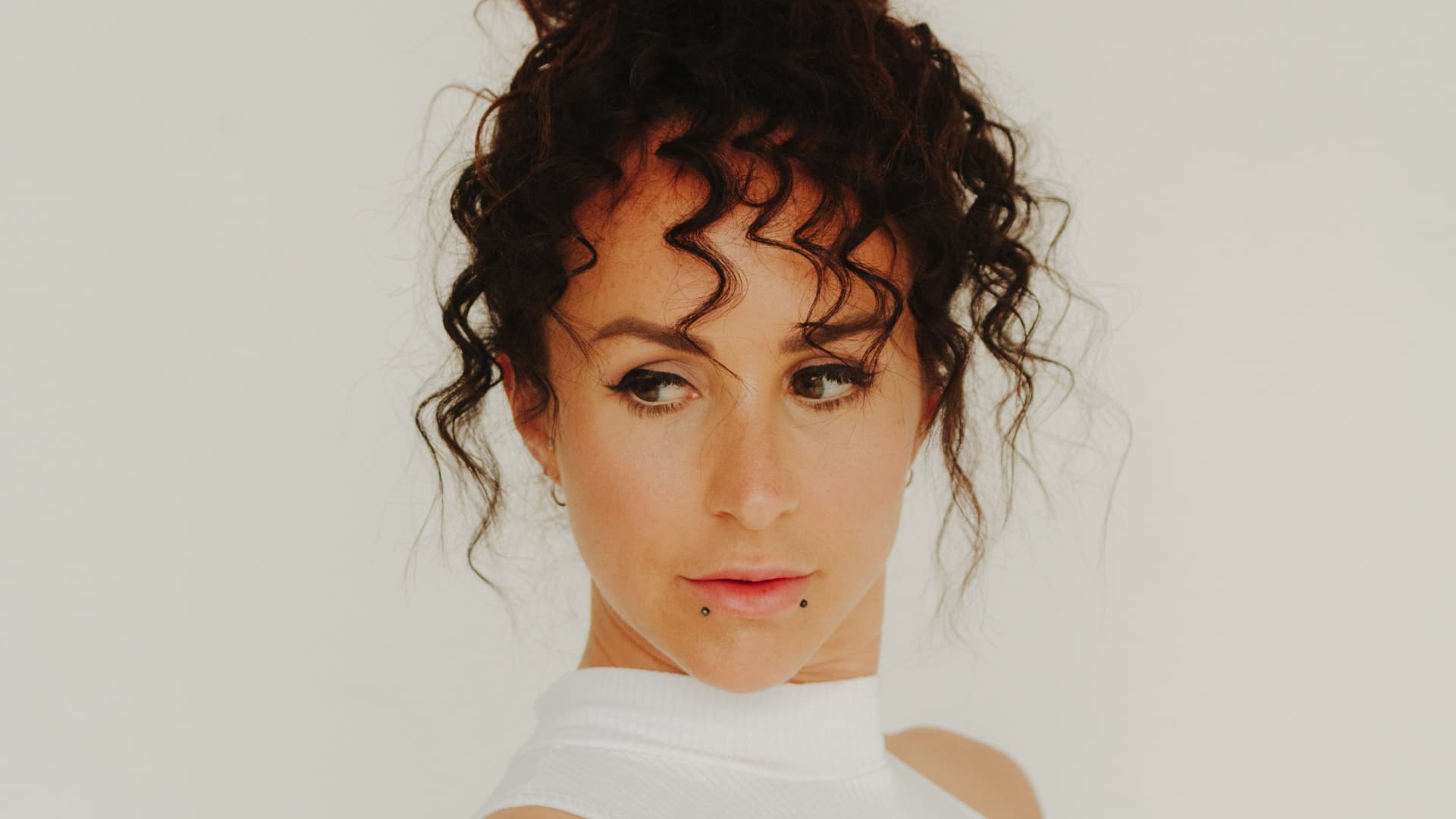

DJ
Hannah Wants
Birmingham, England, United Kingdom
Biography of Hannah Wants
Birmingham bass and dancefloor reading
The pulse of Birmingham, UK garage, and the physical pressure of bass have defined much of Hannah Wants' language. Her artistic identity was formed through a very direct relationship with the DJ booth: she learned to mix on vinyl as a teenager, after being marked by rave culture and the precision of DJs like DJ EZ. Before dedicating herself fully to music, she balanced that obsession with a stint as a footballer, linked to the Aston Villa environment and English women's football, a background that helps explain the discipline, competitiveness, and stamina she later transferred to touring.
Ibiza as a combustion point
Her professional career began to consolidate in 2010, during a season in Ibiza that opened the door to a performance at Es Paradis and, subsequently, her first significant residency at The Rainbow Warehouse in Birmingham. From there, she built a very loyal fanbase with mixtapes shared on SoundCloud, sessions of muscular house, and a selection that connected speed garage, bassline, UK garage, and contemporary club house. The impact reached a national scale with accolades such as Best Breakthrough DJ for Mixmag and DJ Mag in 2012, and with a growing presence in British and international clubs and festivals.
Anthems, labels, and a signature club sound
The collaboration with Chris Lorenzo on Rhymes marked a point of massive exposure by reaching the Top 15 of the UK singles chart in 2015. That same period reinforced her profile with a residency on BBC Radio 1, an Essential Mix, the What Hannah Wants brand, and a schedule that took her to venues like Amnesia, Pacha, Eden, Creamfields, Glastonbury, Coachella, and tours across North America, Europe, and Australia. In 2016, she signed the Fabriclive 89 mix, a key piece for understanding her facet as a selector and her leap from the bass-house circuit toward a broader house framework.
Defected, Counter Culture, and a more open stage
Over time, her sound has become less pigeonholed and more attentive to nuances: groove, soulful vocals, tech textures, dry basslines, and classic references filtered through modern production. After releasing music on labels such as Food Music, Cr2, Dirtybird, Toolroom, Armada, Ultra, Positiva, and her own label Etiquette, she opened an especially visible chapter with Defected. Cure My Desire, alongside Clementine Douglas, became one of her most recognizable productions and reached number 1 on Beatport; later came tracks like The One, Hard To Breathe, Cruel Intentions with Sam Divine and Jem Cooke, and the GHETTO EP on DFTD. In parallel, the creation of Counter Culture Music and her event series has reinforced a more personal position: less dependent on trends, more focused on dancefloor culture, the connection with the audience, and an idea of house with soul, pressure, and movement.