
A milestone in the preservation of music technology
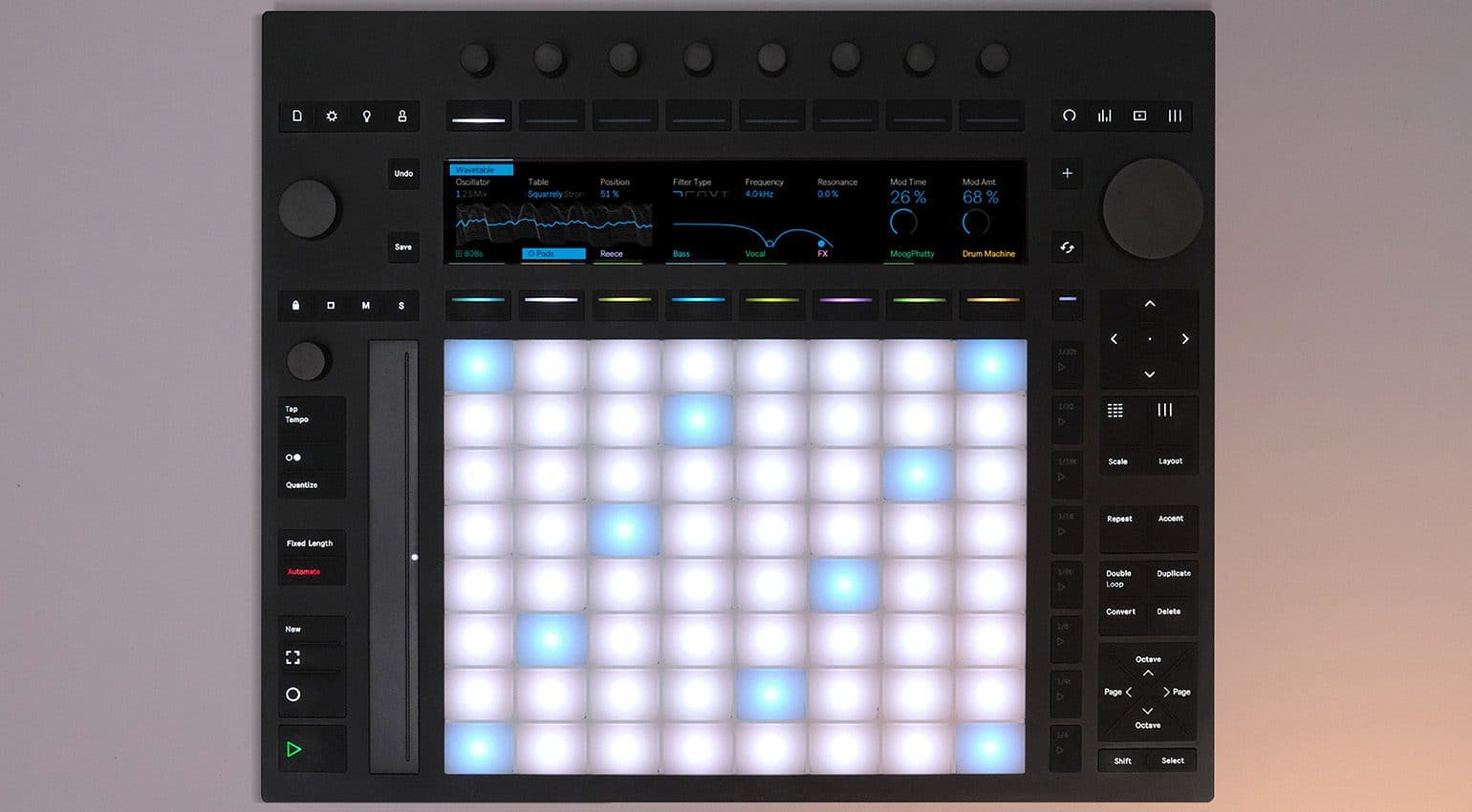
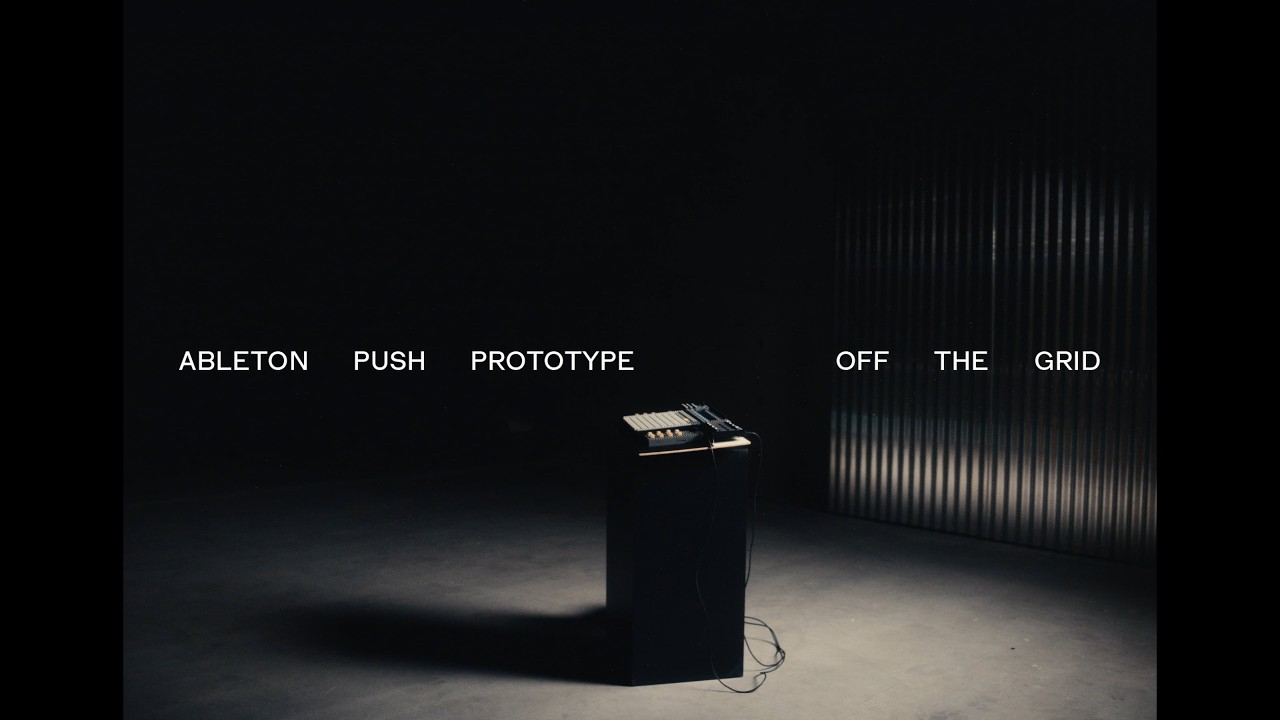
The Powerhouse Museum in Sydney has added one of only two surviving prototypes of the Ableton Push controller to its permanent collection. This historical piece stands out for having been built entirely with Lego bricks. The design was the work of Jesse Terry, current Head of Hardware at Ableton, who devised this physical format to experiment with the layout of the buttons in a fast, iterative, and ergonomic way.
To document the acquisition, the Australian institution has premiered the short documentary film Off The Grid. The work, directed by Lucy Knox, explores the origins of the hardware. Terry explains in the footage that the choice of Lego responded to a purely functional need, as it allowed for a modular and flexible design process without compromising the final structure.
The Lego prototype went through many phases of moving buttons. It was a playful and non-permanent process.
— Jesse Terry, Head of Hardware at Ableton
Before arriving at this ingenious solution with building blocks, the developer recounts that he used an electric saw to cut and combine parts from other musical equipment, seeking to integrate their outputs into a single device. Terry, who joined the company in 2005, had previously participated in the design of the APC40 together with AKAI Professional, laying the technical foundations for the subsequent development of the Push.
The impact of the device on electronic production
Since its official launch, the Ableton Push transformed the way creators interact with their digital audio workstation (DAW), turning the software environment into a physical instrument. Its workflow based on sensitive pads blurred the line between a traditional MIDI controller and a live performance instrument, facilitating the improvisation of melodies and the sequencing of rhythms without relying on a mouse.
The versatility of the hardware quickly attracted established figures in the music industry. Internationally renowned producers and artists such as David Guetta, Flying Lotus, and Timbaland immediately integrated the equipment into their studio setups and live performances, highlighting its ability to capture the human groove outside of strict metrics.
Start playback
The cultural validation of modern tools
The arrival of the Lego prototype at the Powerhouse Museum archives places this controller at the same level as the analog synthesizers and classic drum machines that defined past eras. This institutional movement reflects a formal recognition of contemporary tools, consolidating their status not only as commercial equipment, but as artifacts of great historical value that have shaped the sound of current club culture.