

The Historical Paradigm: From The Warehouse to the Global Industry
House music emerged in the late 1970s in Chicago as a cultural response and a vital refuge for African American, Latino, and queer communities. In a context marked by systemic marginalization and, subsequently, the devastating HIV crisis, iconic spaces like The Warehouse established the foundations of an unprecedented movement. Under the musical direction of foundational figures like the deejay Frankie Knuckles, the dance floor was transformed into a sanctuary of resistance. Simultaneously, in New York, Larry Levan was shaping an identical ethos from the booth of the legendary Paradise Garage. Using technology affordable to the working class, such as the Roland TR-808 and TR-909 drum machines, these pioneers created a sound characterized by inclusion, political dissent, and freedom of expression.
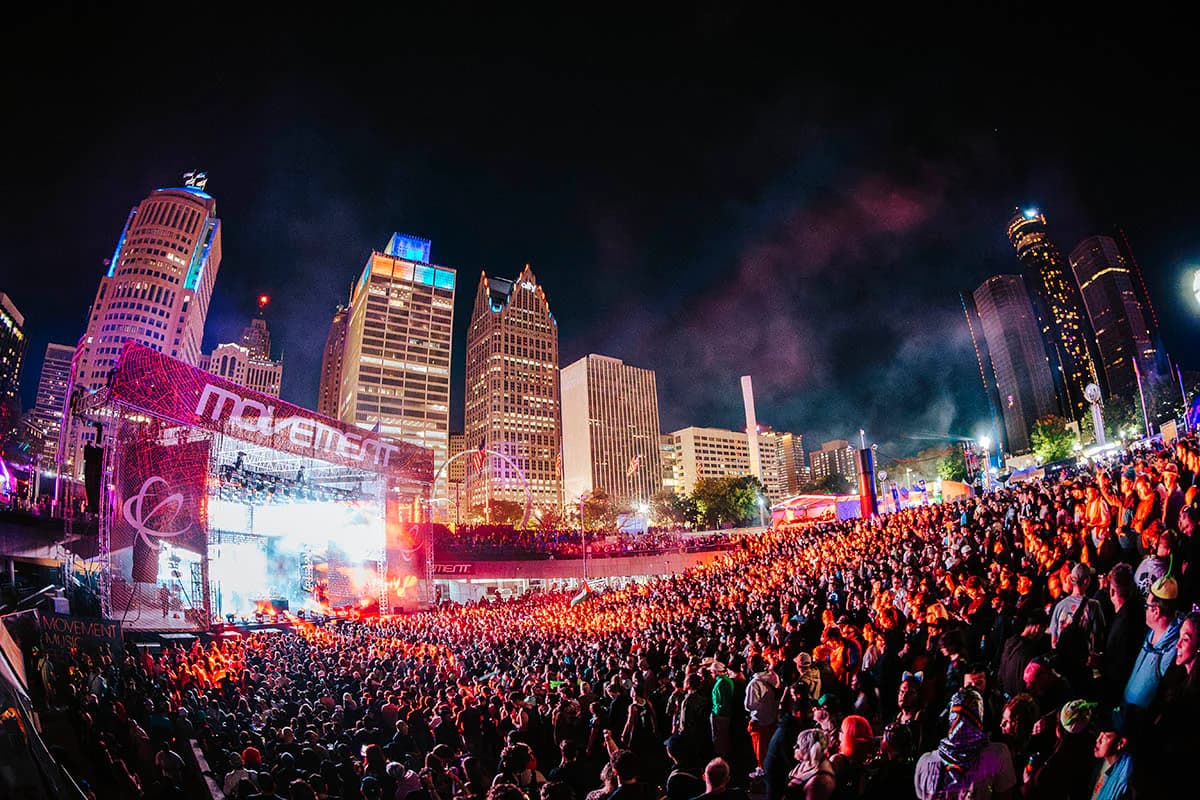
However, the contemporary development of electronic music has evidenced a progressive and alarming disconnection from these origins. Recently, the debate surrounding the neutralization of house music's queer roots has gained relevance in the sphere of cultural criticism and musical sociology. Rigorous analysis points out that the expansion into macro-festivals and standardization under corporate labels have diluted the movement's intersectional essence. This phenomenon describes a process of systematic appropriation where the sound is completely detached from its original context of social struggle to adapt to the demands of a globalized and highly lucrative market.
The Transition toward an Androcentric and Commercial Model
The structural transformation of clubbing spaces reflects what various cultural theorists currently identify as an "androcentric house." This concept alludes to the reconfiguration of the scene toward a masculinized leisure model, hyper-sexualized under hegemonic standards and aimed primarily at a demographic segment of cisgender men with high purchasing power. The sonic aesthetic has become, in many mainstream circuits, a repetitive formula oriented toward fast consumption. Contemporary subgenres focused on VIP culture have replaced the organic and emotional groove of early house with productions focused on immediate impact and lacking discursive depth.
Clubbing culture has experienced a standardization where the historical memory of foundational minorities is systematically eclipsed by the profitability of the mass entertainment industry.
— Archives of Electronic Cultural Criticism
Following the theories of hauntology applied to electronic music, the current industry faces a constant repetition of stagnant trends. Extreme commodification has transformed events that were originally performative, safe, and communal into purely experiential and transactional products. In this process, the protest component that gave life to underground electronic culture is relegated to a secondary plane. Multinational promoters prioritize mass ticket sales over the preservation of safe spaces, rendering invisible the communities that built the foundations of DJ culture.
Structural Impact on the Electronic Ecosystem
- Sound homogenization: Prioritization of predictable rhythmic formulas, standardized BPMs, and commercial drops over experimentation based on soul, gospel, and funk.
- Demographic displacement: Exponential increase in the cost of access to clubs and festivals, economically excluding the working classes and minorities that originated the movement.
- Space policies: Substitution of community care regulations for private security systems oriented toward the protection of VIP areas and reserved tables.
- Historical erasure: Lack of systematic recognition toward African American and queer creators in predominant narratives, large-stage line-ups, and royalty distribution.
Reclaiming Memory in Current Clubbing
Despite relentless commercial pressure, there are currents within the electronic ecosystem that work actively to preserve and educate about the true history of house music. Official institutions, independent labels, and underground collectives continue to promote initiatives to ensure that new generations of producers understand the cultural weight of their synthesis tools. The influence of streaming algorithms has also played a crucial role in this erasure, categorizing music under generic labels that omit the cultural lineage of the tracks. The confrontation between the extreme profitability of cultural capitalism and the restitution of original queer spaces remains the greatest structural challenge to the integrity of the electronic scene in the current year.