
From vinyl to neural networks: The paradigm shift in DJ hardware
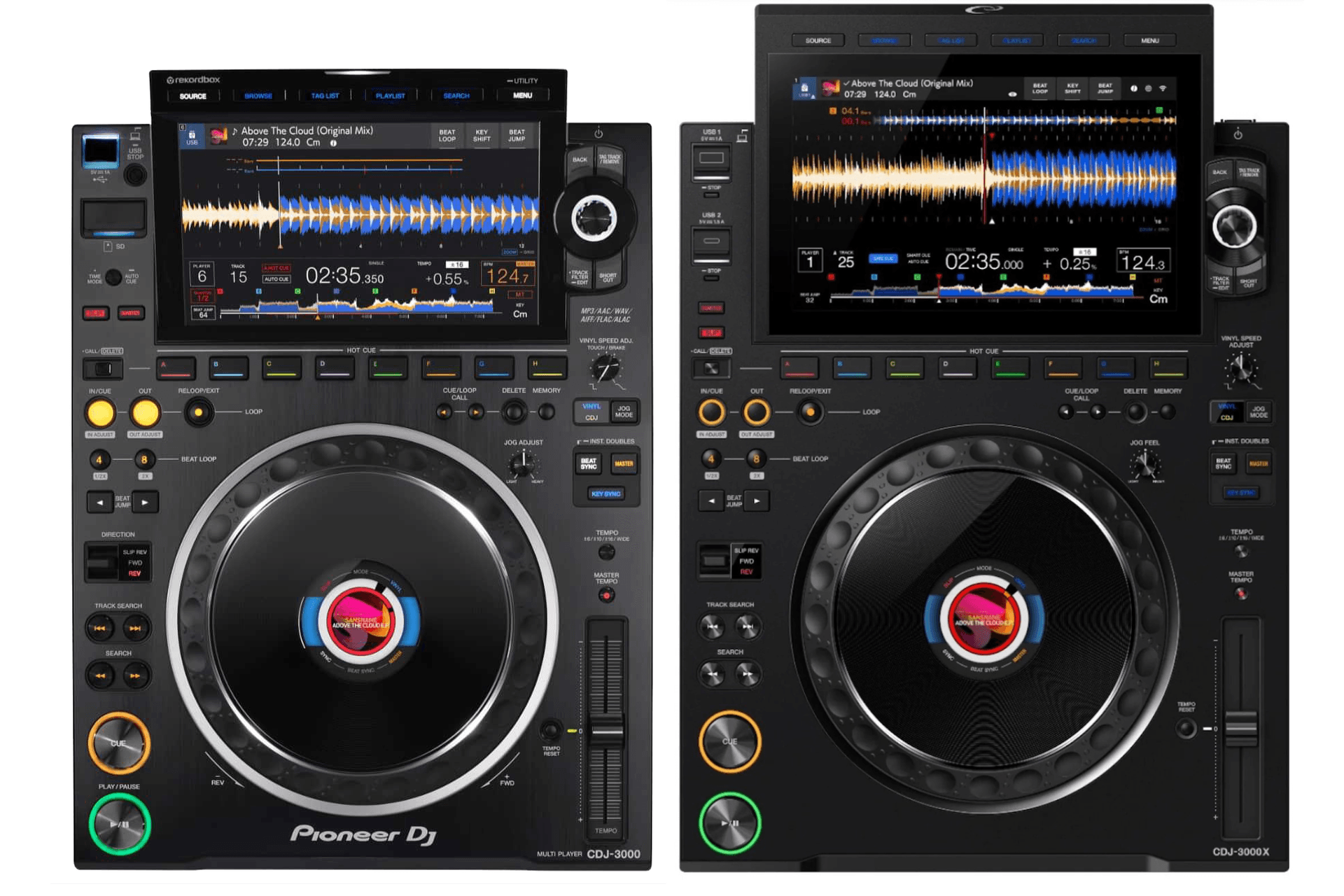
Since we began analyzing live hardware, synthesizers, and acoustics over a decade ago, we have rarely faced a technological turning point as drastic as the current one. The DJ booth, which has historically been a sanctuary dedicated to the manual manipulation of vinyl and later to pure digital control via CDJs, is undergoing a radical metamorphosis driven by complex algorithms. Artificial Intelligence (AI) and machine learning are no longer abstract concepts confined to research labs or niche VST plugins; they have been integrated directly into the core of the DSP (Digital Signal Processing) chips of mixing hardware and cutting-edge standalone operating systems.
To understand the true magnitude of this change, we must put the evolution of tools into context. Years ago, the simple inclusion of the sync button sparked endless debates about purity and technique in the electronic music scene. However, what we are analyzing today in our lab completely eclipses mere tempo synchronization. Current AI intervenes surgically in the very essence of the digital audio spectrum. By evaluating leading software ecosystems and their integration into hardware, we realize that machines now 'listen' to and 'interpret' the phonetic and musical structure of a track, isolating frequencies with a precision that previously forced us to spend hours performing tedious track bounces in a DAW.
Real-time 'Stem' separation: Phase isolation algorithms under the microscope
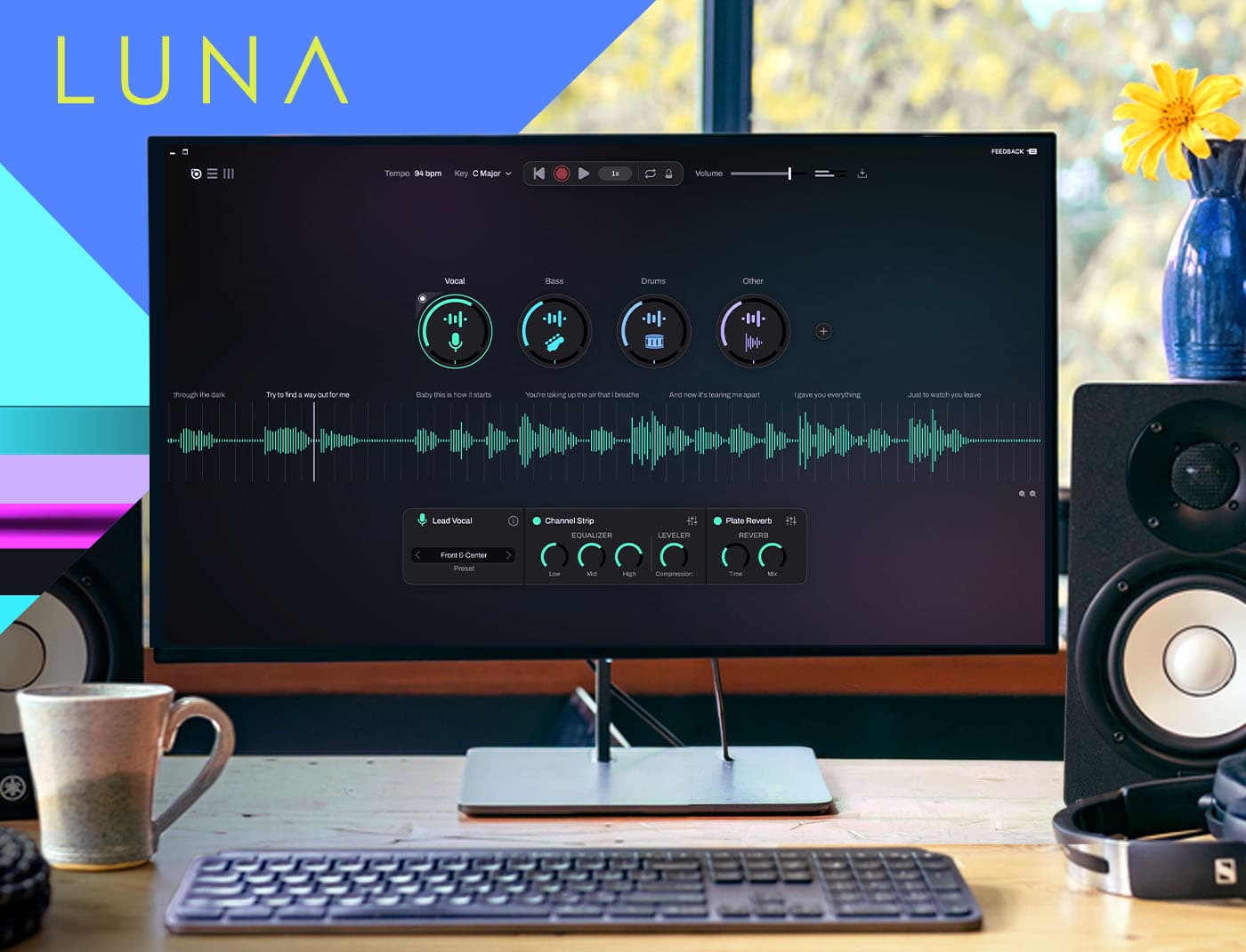
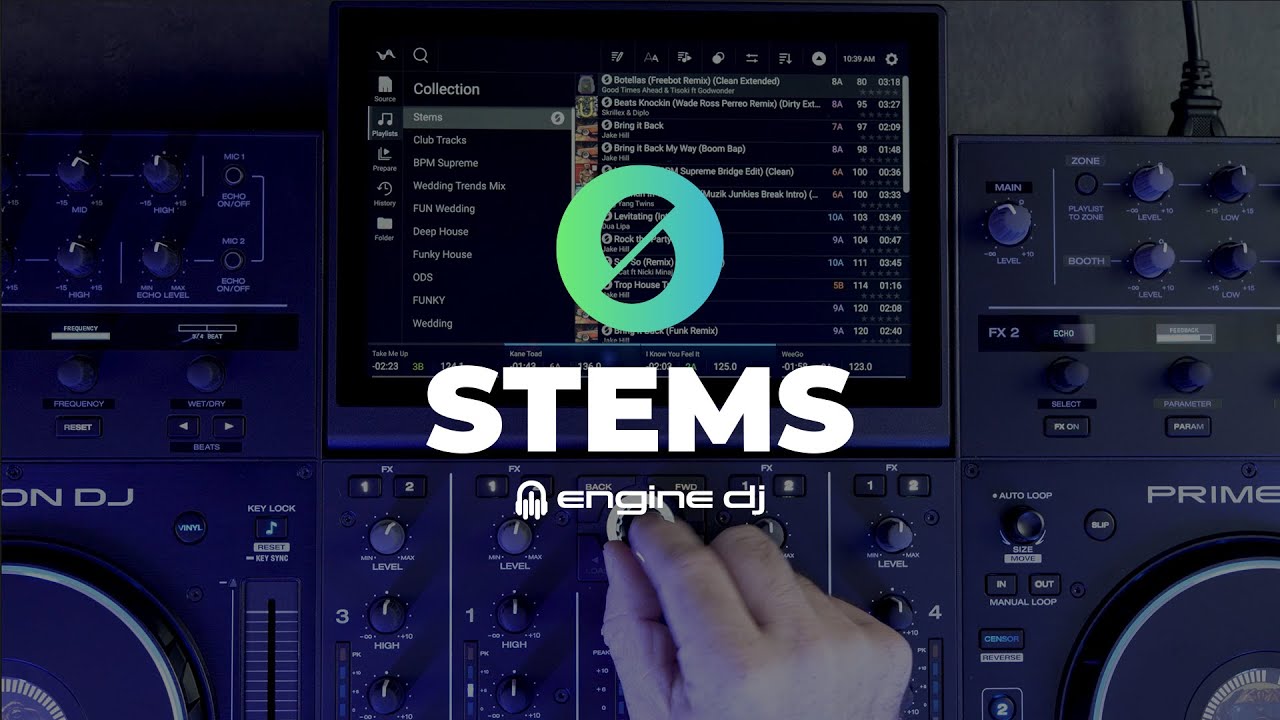
The computational ability to isolate vocals, basslines, drums, and melodies on the fly is, without a doubt, the crown jewel of acoustic engineering in this new generation of equipment. During our rigorous stress tests in the studio using Serato DJ Pro and the native support integrated into standalone hardware like the Denon DJ PRIME 4+ powered by Engine OS 4.2, we have meticulously measured CPU load, processing latency, and spectral fidelity. The real-time stem separation process demands a formidable processing architecture. Algorithms from developer companies analyze the rendered stereo file instantly and apply mathematical models trained with thousands of hours of music to discriminate audio sources with astonishing speed.
At the level of acoustic analysis and sound design, we have routed the outputs of these isolated stems to our dedicated spectrum analyzers. We have realized that, although perfect phase cancellation is physically almost impossible from a mixed and mastered stereo signal, and slight ghostings or pre-echo artifacts can still be perceived in the mid-high frequencies (especially around 2 kHz to 5 kHz), the dynamic performance is exceptional. When injected through a club PA (Public Address) sound system, the punch of the sub-bass remains intact. This allows artists to execute turntablism routines or layer Eurorack format synthesizers and MPE-controlled keyboards over a live-extracted acapella without generating mudiness in the low frequencies.
Start playback
Automated harmonic transitions: The brain in the cloud and predictive analysis
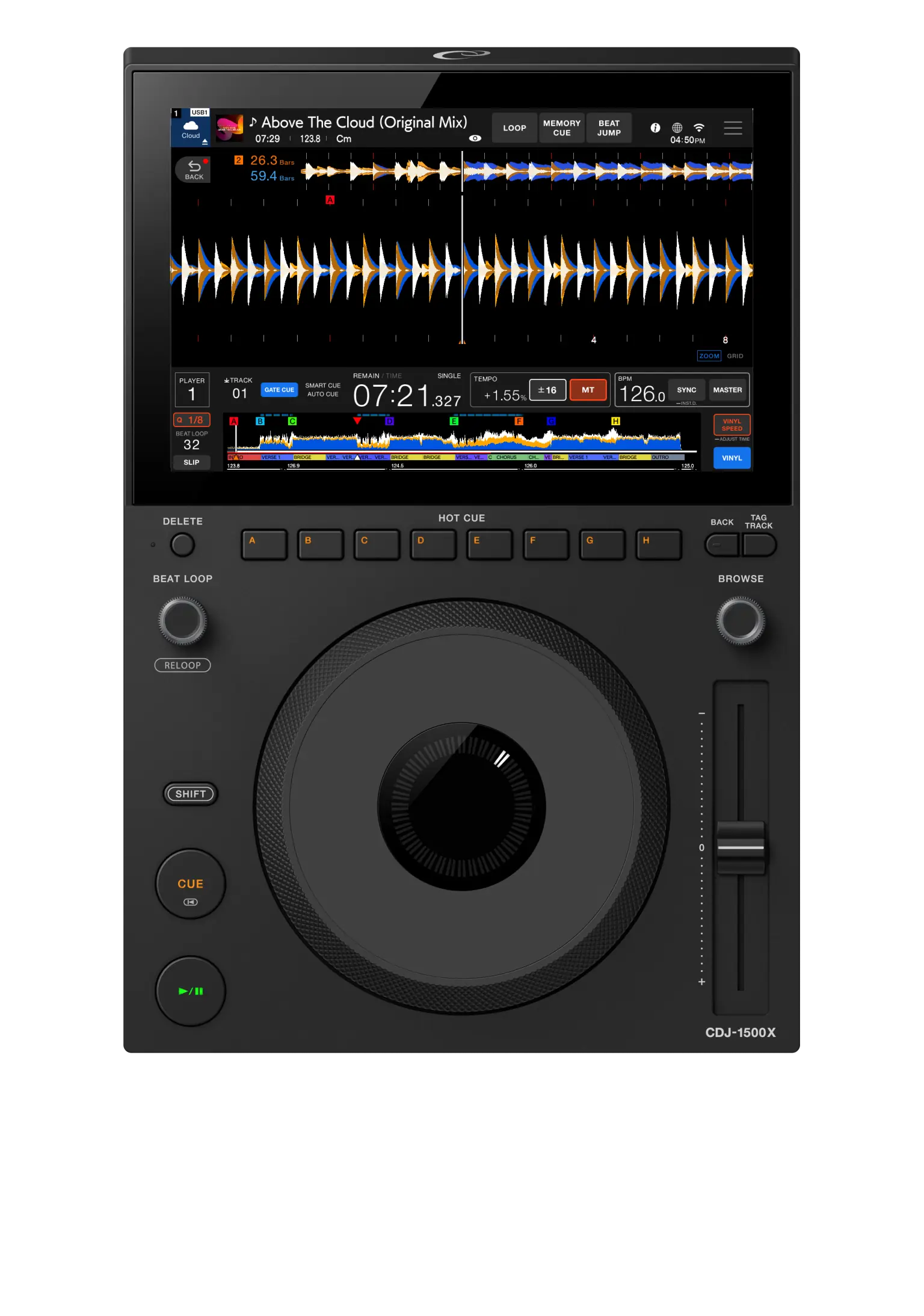
If stem dissection redefines the physical manipulation of audio, rule-based harmonic automation and predictive analysis completely redefine the psychology of creating a set. In our exhaustive technical analysis of the most recent version of Rekordbox 7, we have put its acclaimed AI-powered features to the test, specifically the Cloud Analysis functions and smart playlists. When the system synchronizes the library on the network, it is no longer limited to extracting the beatgrid and the traditional tonal key (based on the circle of fifths). The software deploys advanced vocal position detection that scans each track from beginning to end, mapping spectral density and energy into lightweight file metadata.
The fascinating part happens during the live performance. Automation tools like Mix Point Link allow the user to preconfigure exact entry and exit points based on logical musical phrases of 16, 32, or 64 beats. The machine links the cue points and triggers the start of the next track at the mathematically perfect millisecond to avoid vocal clashing or harmonic dissonance. We have empirically verified that this delegation of low-level tasks drastically reduces cognitive stress in the booth. It allows the selector to focus their energy on modulating external effects, chaining dynamic processors, or integrating analog drum machines via the master MIDI clock, transforming the set into a hybrid between a traditional session and a live act.
The integration of AI into live hardware does not seek to replace the selector's artistic judgment, but to offer a real-time sonic scalpel. The true challenge will be to prevent extreme technical convenience from ending up silencing raw and genuine acoustic experimentation.
— Technical Analysis Editorial
The impact on the electronic industry: Standardization vs. Acoustic Risk
The massive and inevitable adoption of these intelligent ecosystems is altering the programming and interaction dynamics in the global electronic music scene. Events and festivals pioneering in music technology, such as Sónar Festival, will surely experience an exponential increase in hybrid performances where the lines between DJing and producing music live disappear completely. Large-scale event promoters and brands focused on the non-stop dance floor, in the style of elrow, will undoubtedly benefit from the surgical precision that these tools provide to maintain percussive grooves without energy drops during long tech-house transitions.
As specialized journalists and mix engineers, our verdict is categorical: artificial intelligence applied to the booth is a formidable tool, not the enemy of creativity. However, in clubs where acoustic purism and the roughness of analog sound prevail—think of the imposing industrial architecture of Berghain—the mathematical perfection of an algorithm could clash head-on with the human need for risk, tension, and controlled error. Veteran artists like Carl Cox have shown that technical innovation is the engine of the scene, but the emotional narrative and the reading of the floor (reading the room, from Ibiza to Detroit warehouses) will continue to depend irremediably on the human's analog intuition in front of the monitors. It is no longer enough to just align kicks; today's sound curation demands an unprecedented level of creative engineering.
- Consulted Sources: Release notes and official specifications from AlphaTheta (rekordbox 7 Overview).
- Consulted Sources: Technical documentation and support forums for Serato DJ Pro regarding Stems latency.
- Consulted Sources: Update logs and press releases from Denon DJ (Engine OS 4.2 and standalone rendering).
- Consulted Sources: Independent analyses from music technology media (Create Digital Music - CDM).