
The Parisian asphalt as a track of resistance
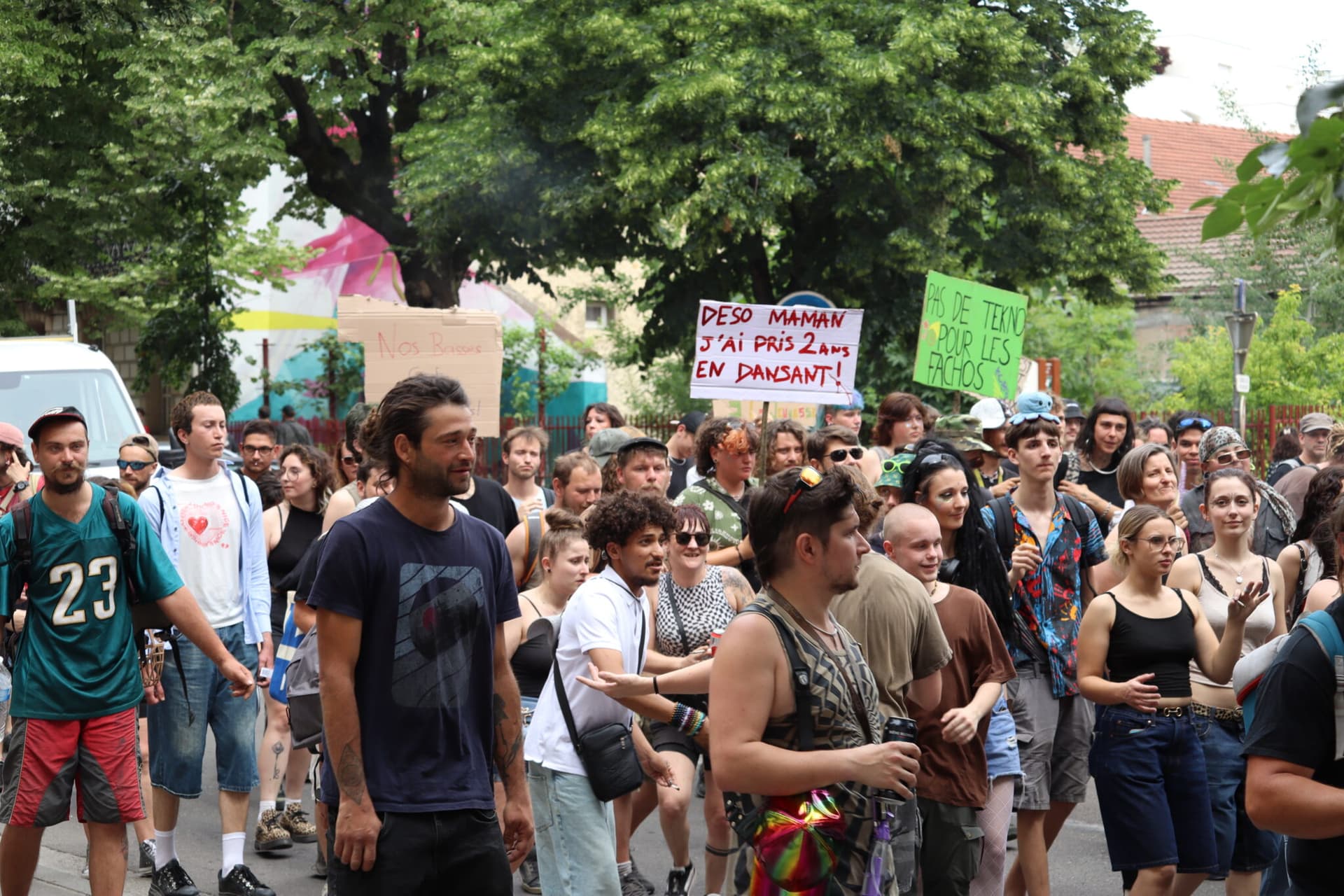
Today, Tuesday, June 16, 2026, we wake up with the reflective hangover of a weekend that will remain etched in the recent memory of our electronic culture. The streets of Paris, and about thirty other French cities, vibrated under the weight of imposing sound systems in the historic mobilization called "Manifestive". Thousands of techno lovers, organizers, and curious onlookers marched peacefully, transforming the gray of the asphalt into an immense protest dance floor. They were not celebrating the start of the summer festival season, but rather raising a unified voice against the controversial PPL 1133 and RIPOST bills. These regulations, which propose prison sentences of up to two years for free party organizers and suffocating fines for attendees, pose an unavoidable question for those of us who love this art: are we witnessing the definitive attempt to domesticate and assimilate the very essence of the European underground?
The fragile balance between civic coexistence and culture
We understand, from a strictly analytical and civic perspective, the arguments put forward by the various government authorities and neighborhood groups that support these measures. Public safety, the preservation of ecologically vulnerable natural environments, and the fundamental right to rest are undeniable pillars of coexistence in any modern society. It is evident that the uncontrolled massification of certain events on unprotected land has, at times, generated legitimate tensions that require attention. The demand for an adequate health framework and risk prevention regulations does not, per se, constitute an irrational imposition. However, the purely punitive and restrictive approach we observe in these new laws seems to deliberately ignore the immense sociological, artistic, and cultural value of these community gatherings. Instead of establishing a constructive and mature dialogue to integrate these expressions into the social fabric, the institutional response opts for the quick path of eradication through the weight of the penal code.
The elitization of contemporary hedonism and the refuge of sound
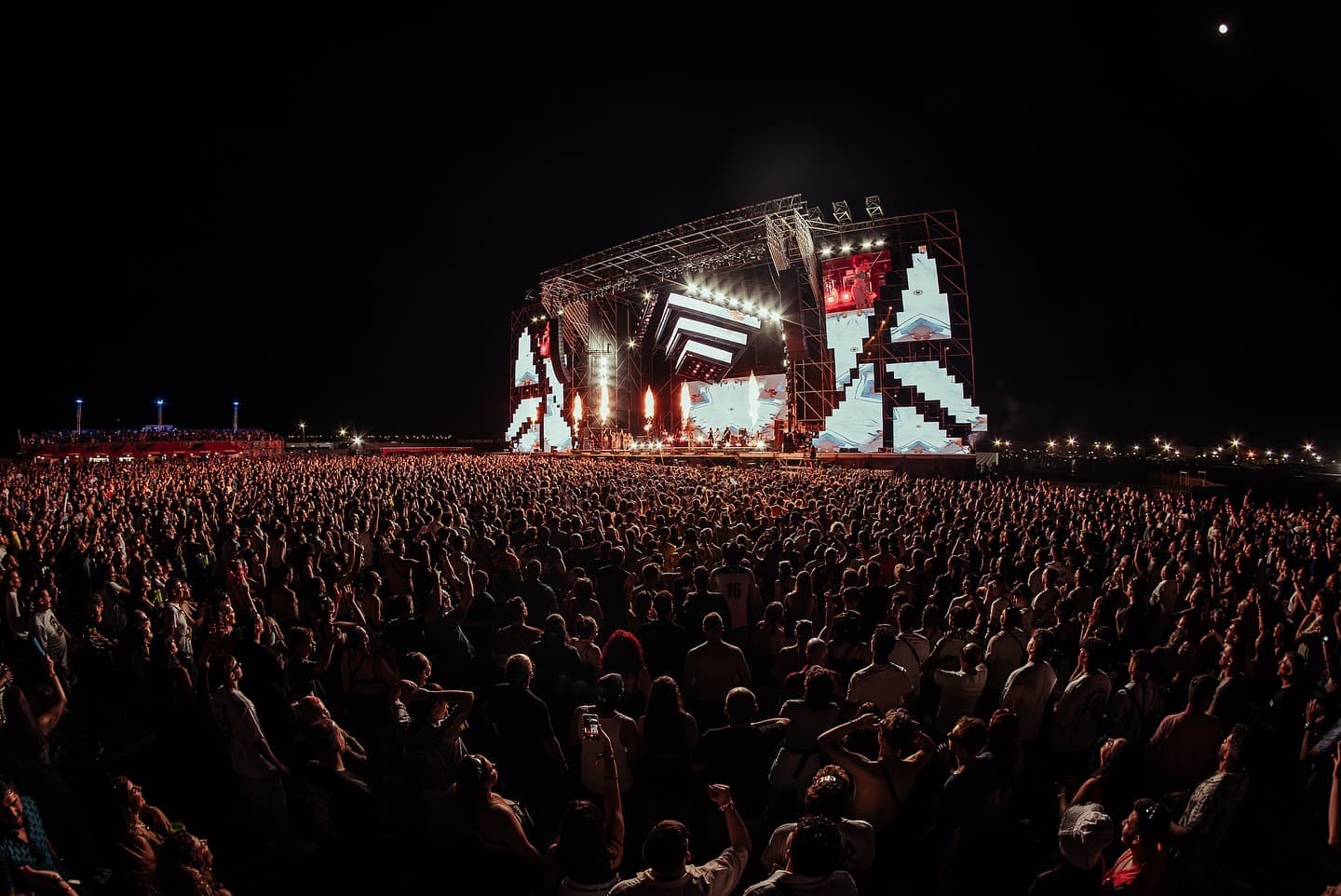
From this platform at TechnoBeatsCloud, we observe with deep concern how the electronic scene is facing a forced and exclusionary fork in the road. On one hand, the large commercial festival industry is experiencing unprecedented price inflation, driven by the gentrification of leisure and high production costs, making access to music a privilege heavily conditioned by an individual's purchasing power. On the other hand, spaces of freedom, experimentation, and community inclusion, historically represented by free parties, are systematically cornered under the heavy label of criminality. Combative platforms like Tekno Anti Rep, along with numerous collectives from the scene and independent DJs, rightly denounce that these disproportionate measures directly attack the spirit of a movement that was born, precisely, as an inclusive refuge against social exclusion. Rave culture transcends mere sonic hedonism; it is, at its core, an ecosystem of resistance against the extreme commodification of art and the homogenization of youth culture.
The paradox of repression: the risk of pushing the rhythm into darkness
Analyzing the evolution of countercultural movements, I feel that contemporary history has taught us a valuable lesson that legislators seem to forget with alarming ease: the severe repression of an entrenched subculture rarely achieves its disappearance. On the contrary, this institutional pressure simply pushes the community toward greater clandestinity, a terrain where the risks that were originally intended to be mitigated end up multiplying due to a lack of resources and support. If the State responds with the cold threat of prison to the human need to congregate around a speaker and share a collective rhythmic experience, the final result will not be the absolute silence that some offices crave. It will, irremediably, be a much deeper disconnection between public institutions and a generation that demands non-commodified spaces for its expressive development.
A future where self-management and dialogue set the tempo
The true challenge of this decade for European democracies should not focus on how to perfect legal tools to imprison those who build an artisanal sound system. Political and intellectual effort must be oriented toward how to articulate innovative public policies that recognize the incalculable cultural value of independent techno. It is imperative to foster models of responsible self-management, providing safe spaces and community mediation, rather than opting for an implacable persecution that criminalizes dance. Electronic music was born on the margins and will always find a way to resonate, but it is in our hands, as a society, to decide if we want that heartbeat to resonate in harmony with our environment or if we prefer to turn every open field into a legal battlefield. The "Manifestive" has made it clear that the volume of this protest will only increase.