
The abrupt silence at the Hippodrome
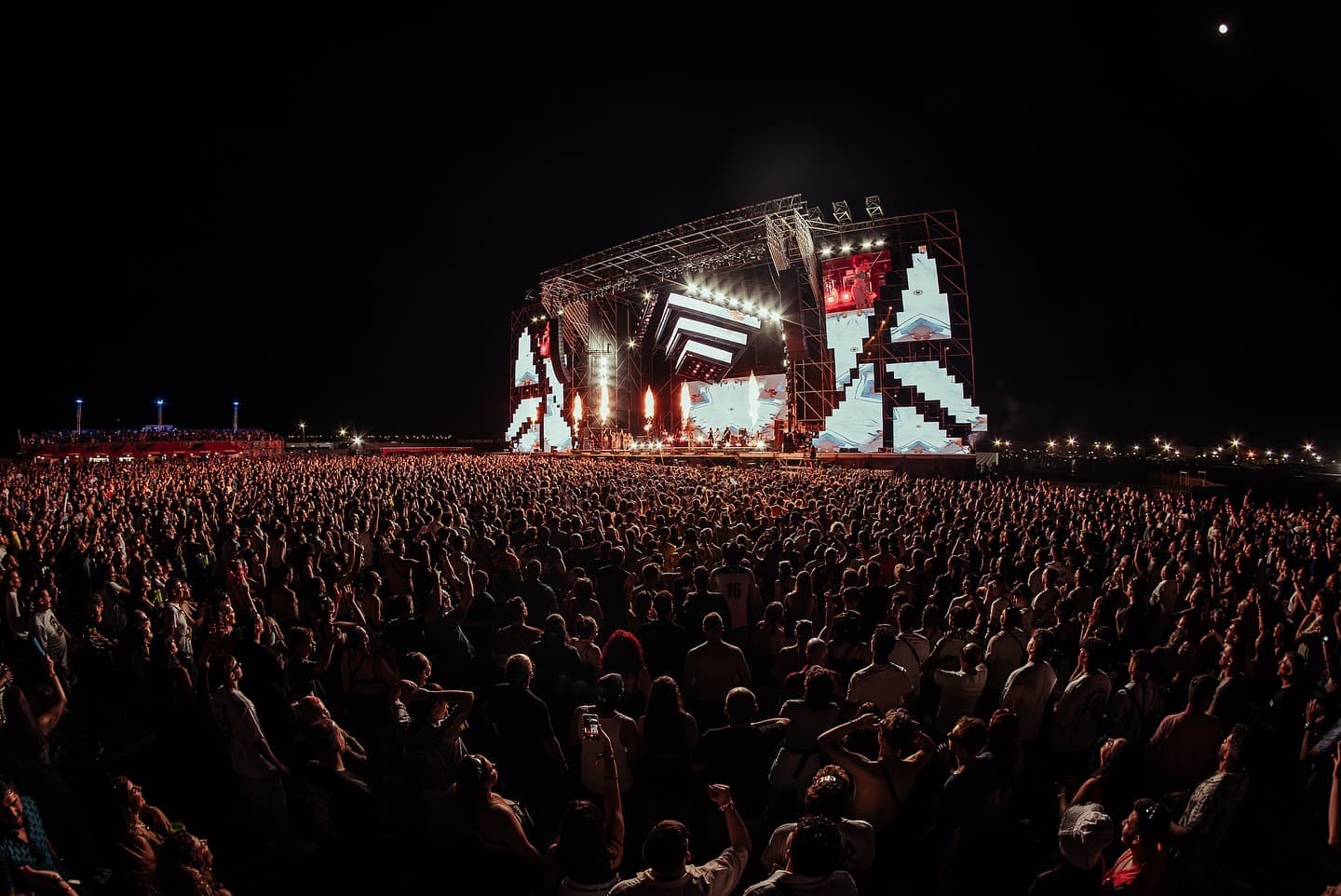
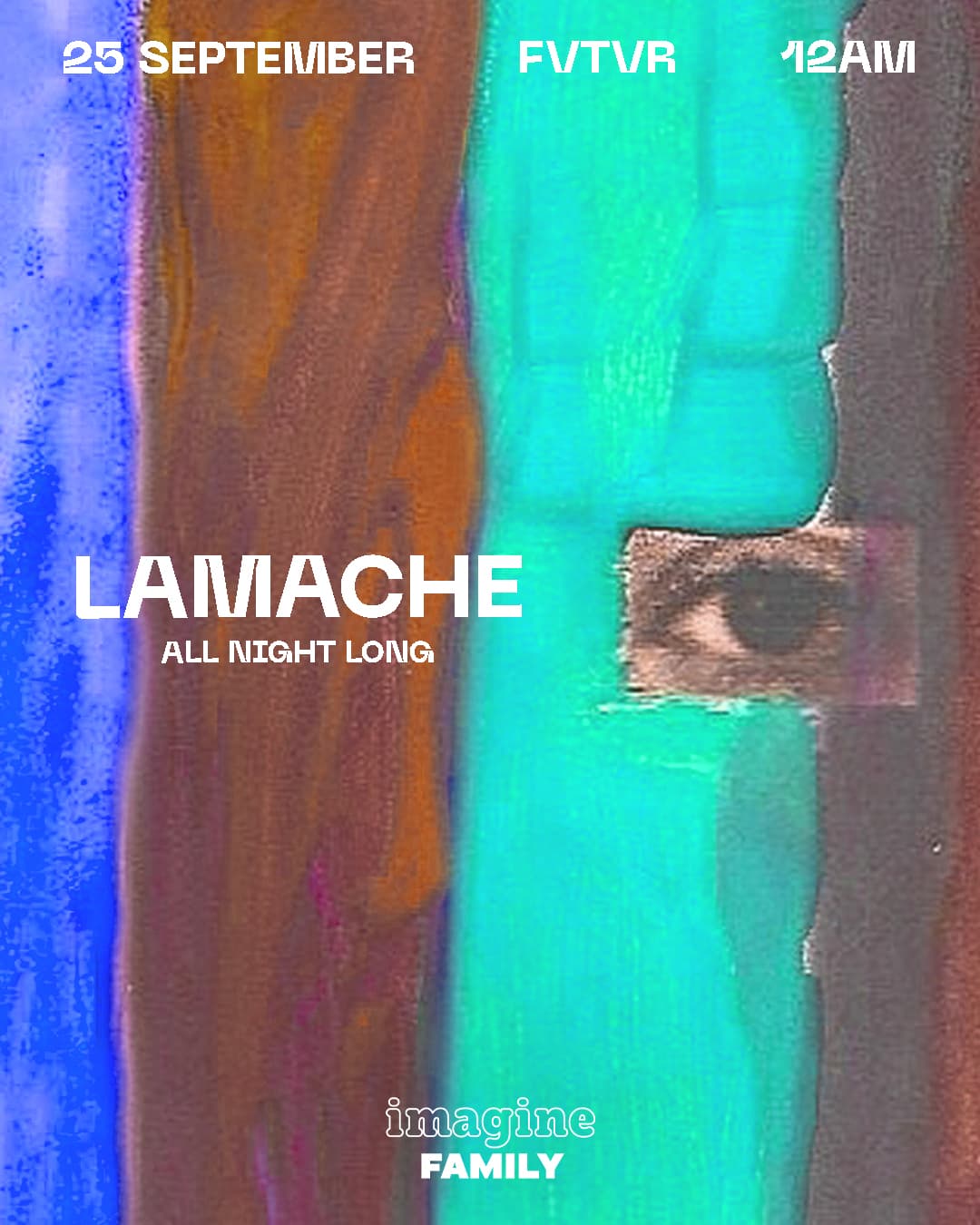
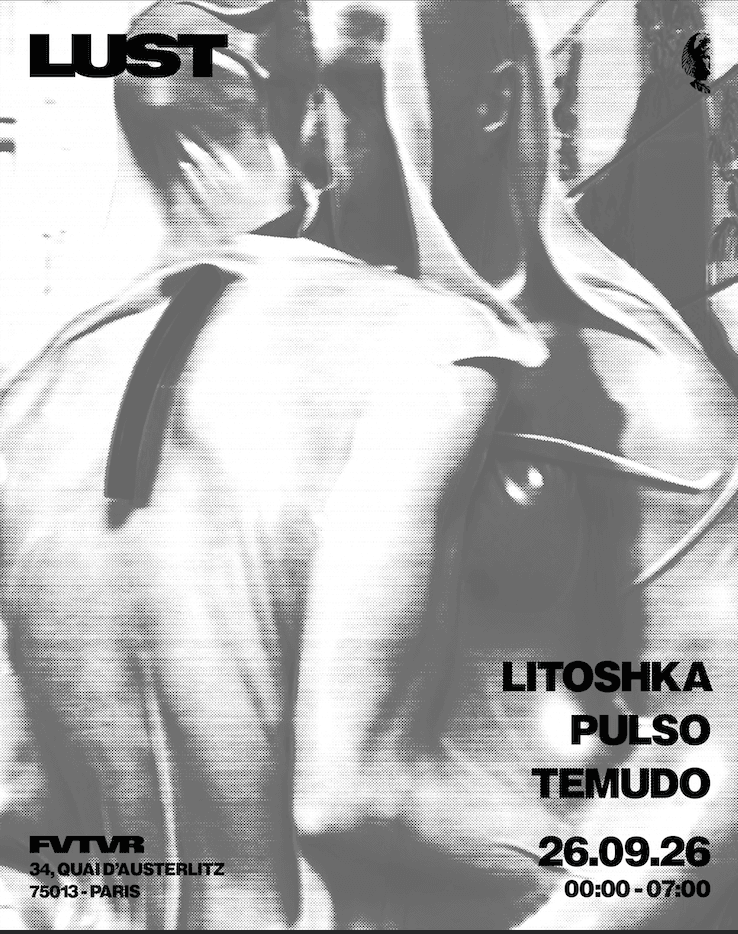
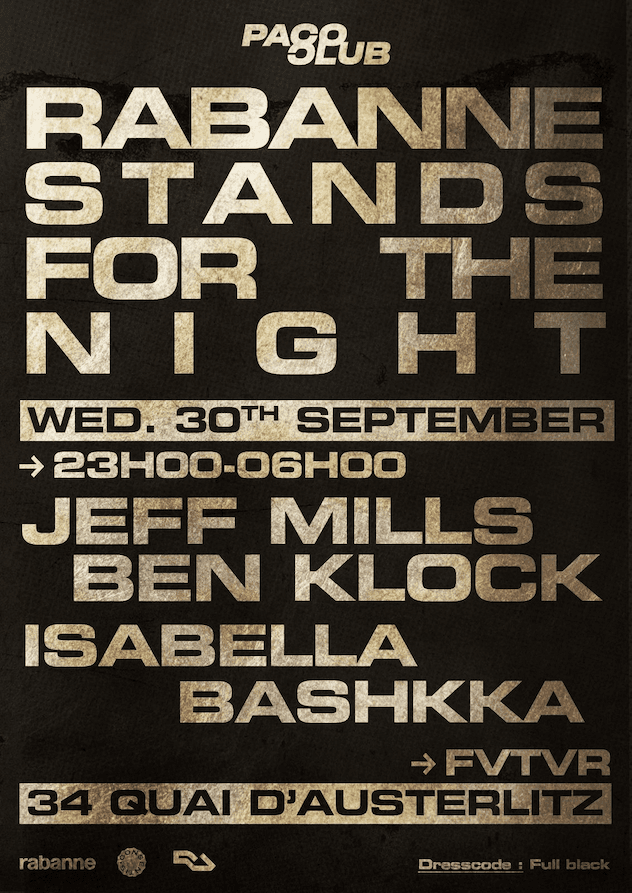
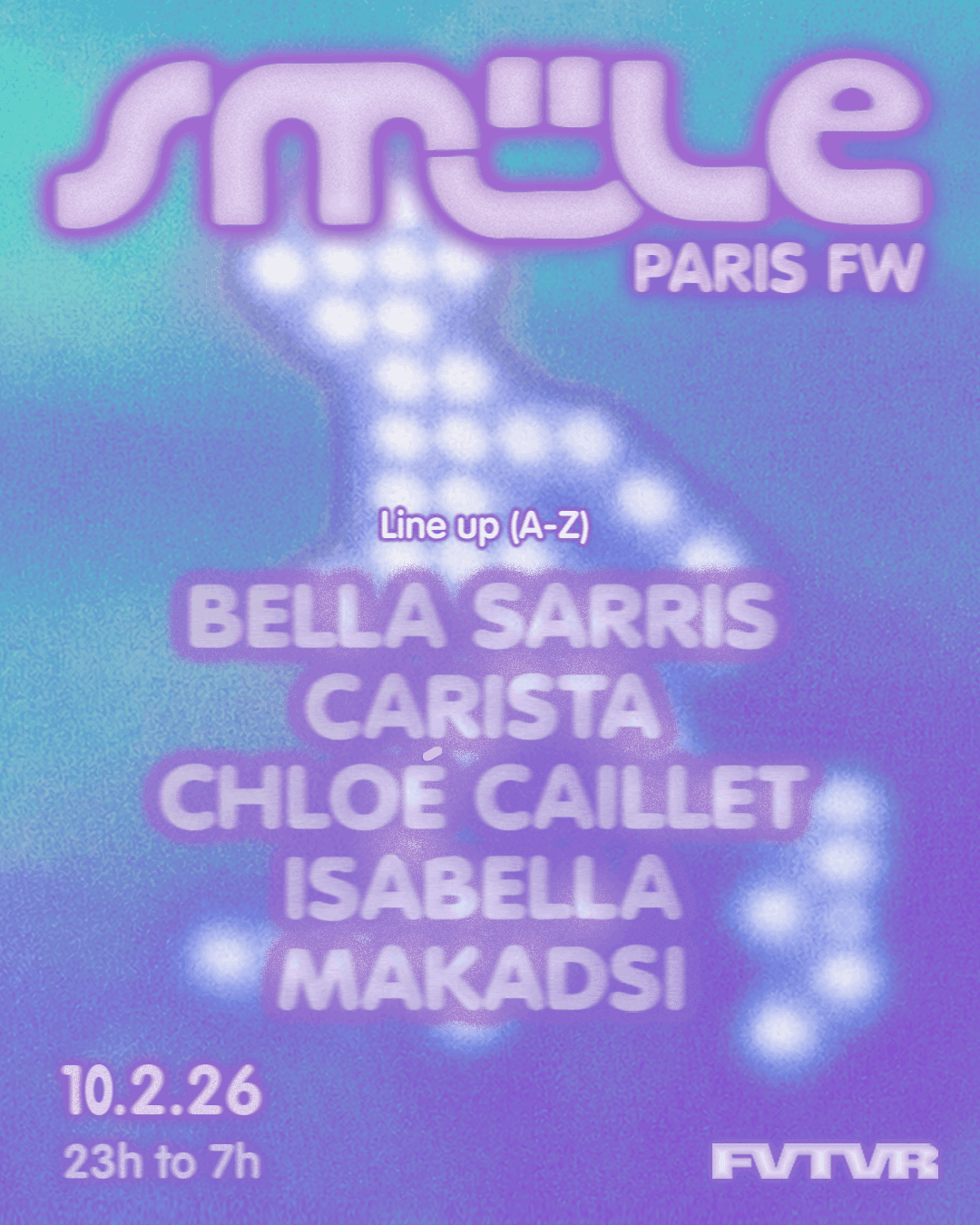
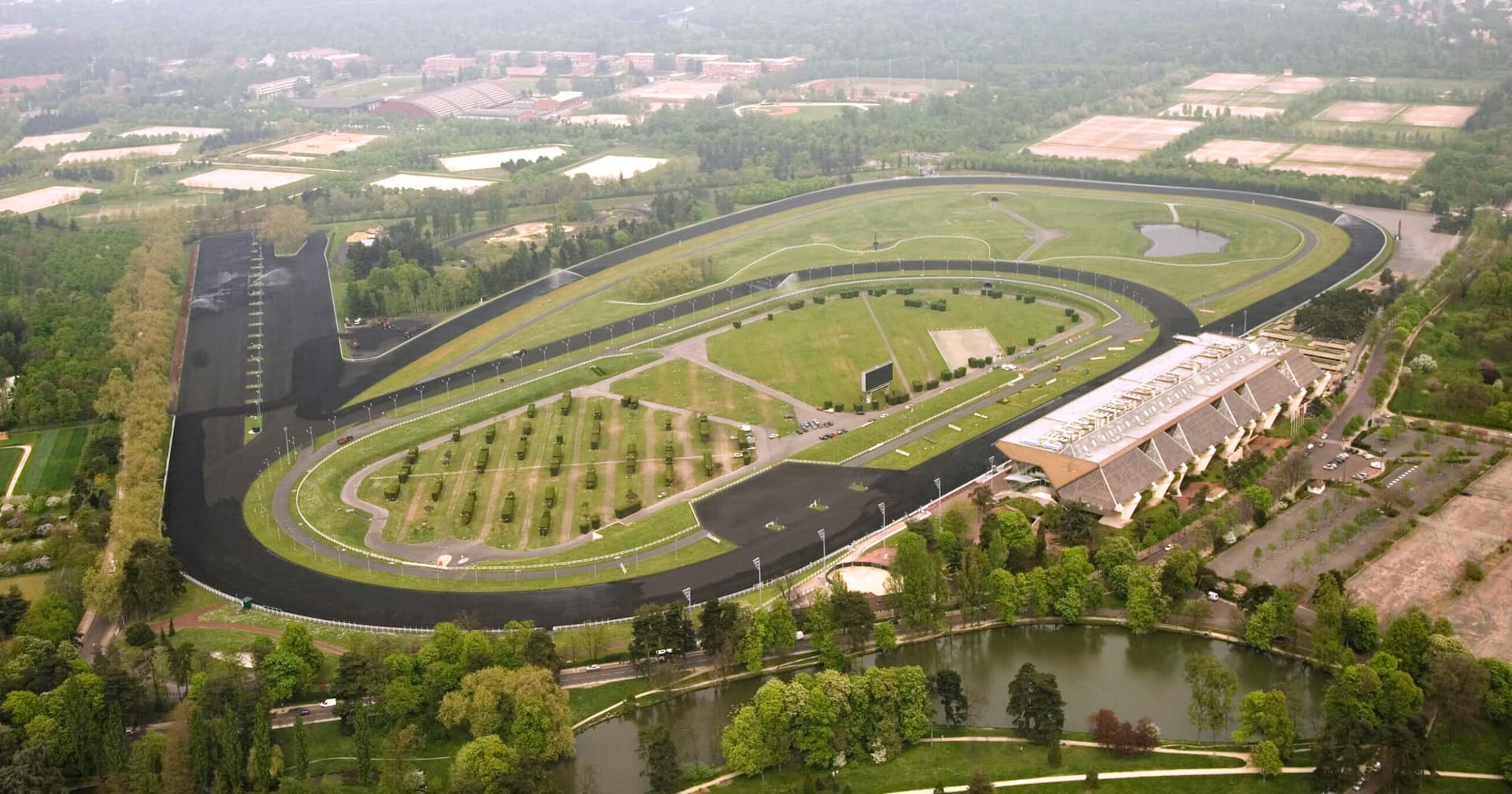
Yesterday, June 16, 2026, the European electronic scene received a cold shower that, paradoxically, many of us had been anticipating for months. The organization of Peacock Society, that bastion of Parisian open-air hedonism, announced that its upcoming July edition will be the last in its history. But this requiem comes accompanied by a forced and painful retreat: we say goodbye to the majestic 40,000 square meters of the Hippodrome de Vincennes to greet a closed club format at the Wanderlust and FVTVR venues. This drastic change of course just weeks before the event does not represent a mere logistical stumble, but the unmistakable symptom of a systemic disease that is corroding the foundations of our musical culture.
We are facing, without mitigation, the collapse of a model. Galloping inflation and relentless government administrative hurdles have created an arid terrain for independent promotion. However, the elephant in the room, the true catalyst for this financial suffocation, is the prohibitive escalation in the fees of headlining artists. We observe with deep concern how the excessive demands of certain booking agencies are devouring precisely the mid-sized ecosystems that, in their day, saw their own talents born and nurtured.
Between structural empathy and frustration on the dancefloor
The debate that has ignited platforms and specialized forums over the last few hours revolves around two perfectly understandable positions. On one hand, it is inevitable to empathize with independent promoters. Those of us who know the complex gears of this industry from the inside know that they have opted for a strategic withdrawal and an intimate farewell rather than rushing toward absolute bankruptcy halfway through the festival. It is an act of responsibility in the face of an ecosystem that has become unsustainable, dominated by large corporate conglomerates that monopolize resources and stifle any attempt at cultural dissent. For many professionals, this difficult decision exposes the harsh reality of a sector that seems to have commodified its purest essence.
On the other hand, the public's disappointment is as legitimate as it is palpable. Thousands of followers who purchased their tickets dreaming of the freedom of a massive event under the summer sky now find themselves confined to closed rooms, with limited capacity and the inevitable Parisian summer heat. The promise of an expansive experience has been drastically devalued. This collective frustration not only points to the organization for the haste of the announcement, but stands as a profound complaint toward the machinery of current electronic music. Attendees feel, with good reason, that top-tier club culture has transformed into an unattainable luxury good.
The voracity of an industry disconnected from its origin
From this platform, we consider it imperative to carry out a critical and calm reading of what has happened. The fall of the 'open-air' format of Peacock Society is not an isolated anomaly, it is a severe warning for all of us. We are immersed in a speculative bubble where the contractual demands of so-called 'headliners' have lost any connection to the economic reality of mid-sized promoters. It is truly disconcerting to observe how figures who carry the banner of the underground demand fees that can only be assumed by macro-festivals backed by huge investment funds. This dynamic is annihilating the middle class of festivals, that vital strip where the avant-garde and sonic diversity have traditionally been cultivated.
The electronic scene was born on the margins, driven by an unbreakable spirit of community, rebellion, and accessibility. Today, however, we witness how a strictly corporate vision erodes those fundamental values. It is not, by any means, about questioning the legitimate commercial success of DJs, who have every right to value their work, but about auditing a business model that suffers from myopia. By squeezing independent promoters to exhaustion, large agencies are cutting down the forest to sell the wood, forgetting that without these spaces of cultural resistance, the entire ecosystem will eventually wither irreversibly.
The dawn after the twilight of macro-events
The conversion of Peacock Society into a club event should serve as a clear mirror in which to look at ourselves. Perhaps this forced return to the origins, to the darkness, the closeness, and the intimacy of the venues, is the exact antidote we need to recalibrate the excesses of the last decade. It is the right time for the public, artists, and industry agents to reflect seriously on what kind of scene we wish to inherit and perpetuate. We must decide if we want to be passive witnesses to a standardized entertainment monopoly or if we are willing to support sustainable projects that put music, and not the profit margin, at the center of the dancefloor.
The farewell of this iconic festival marks the end of an era in Paris, but it also underscores the inescapable urgency of rewriting the rules of the game. Electronic culture possesses a formidable intrinsic resilience. If we are able to assimilate this painful lesson with maturity, it is very likely that the current suffocation will give way to a rebirth where independence regains its voice, its viability, and, above all, its original meaning.