
The All-Seeing Eye in the Berlin Darkness
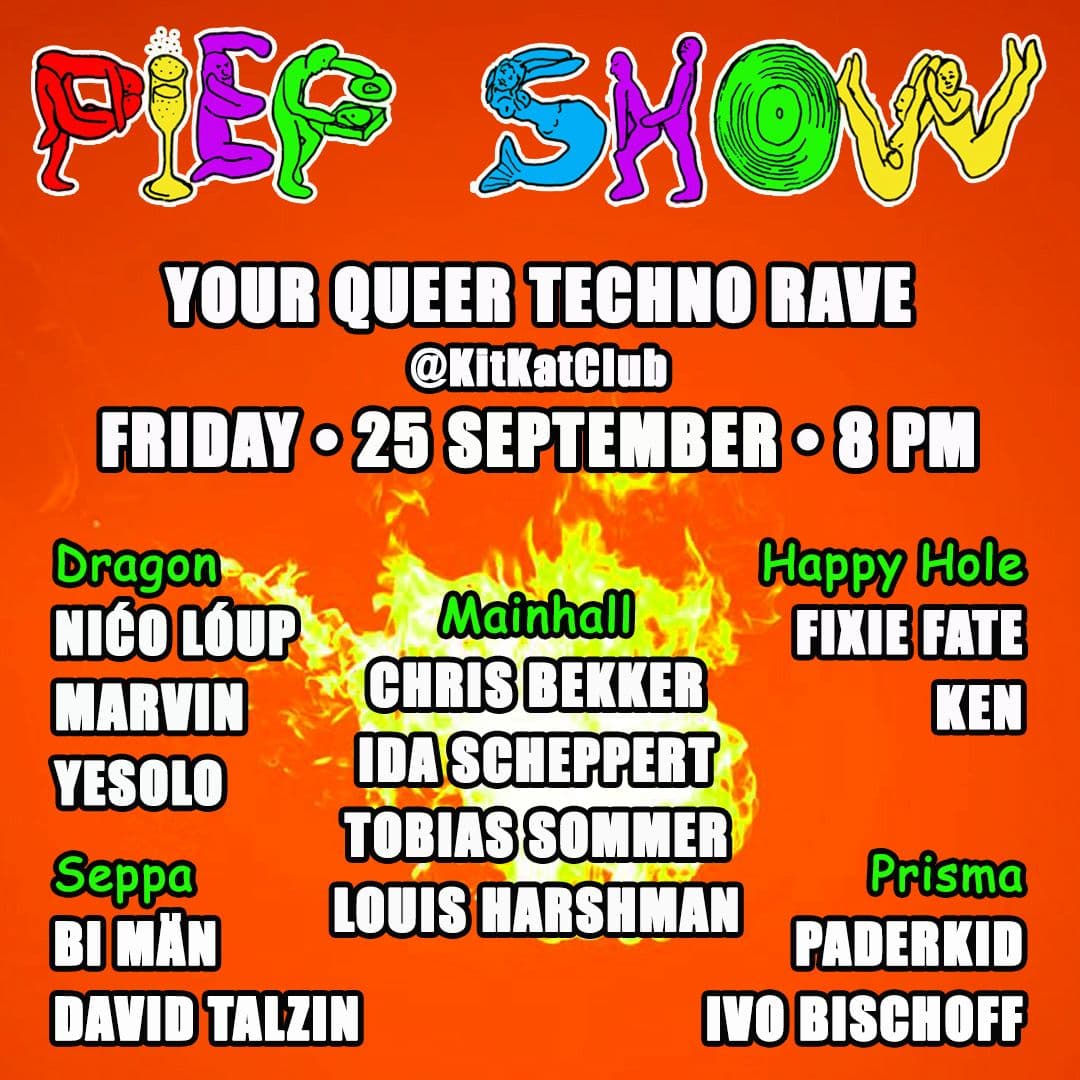
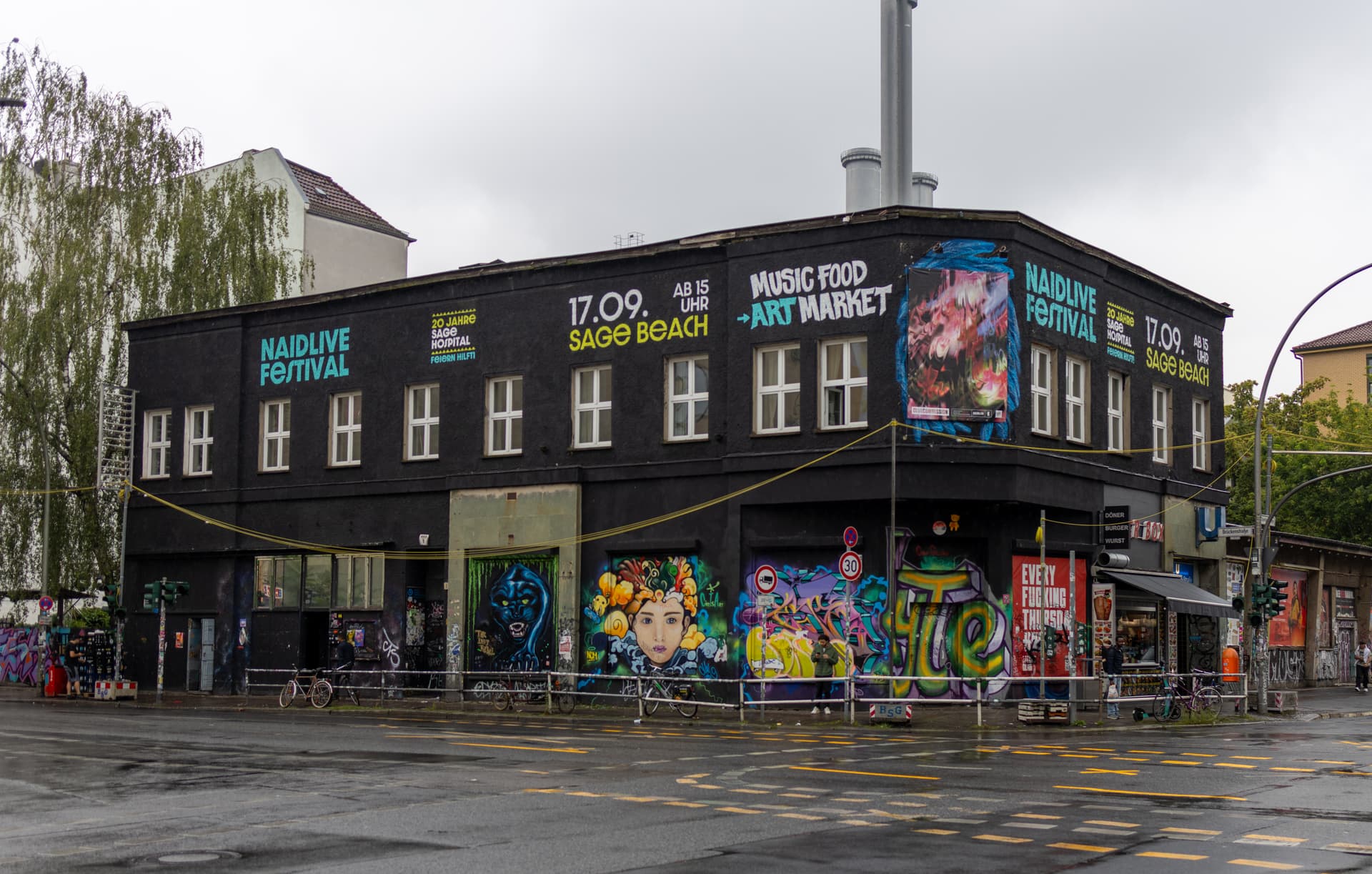
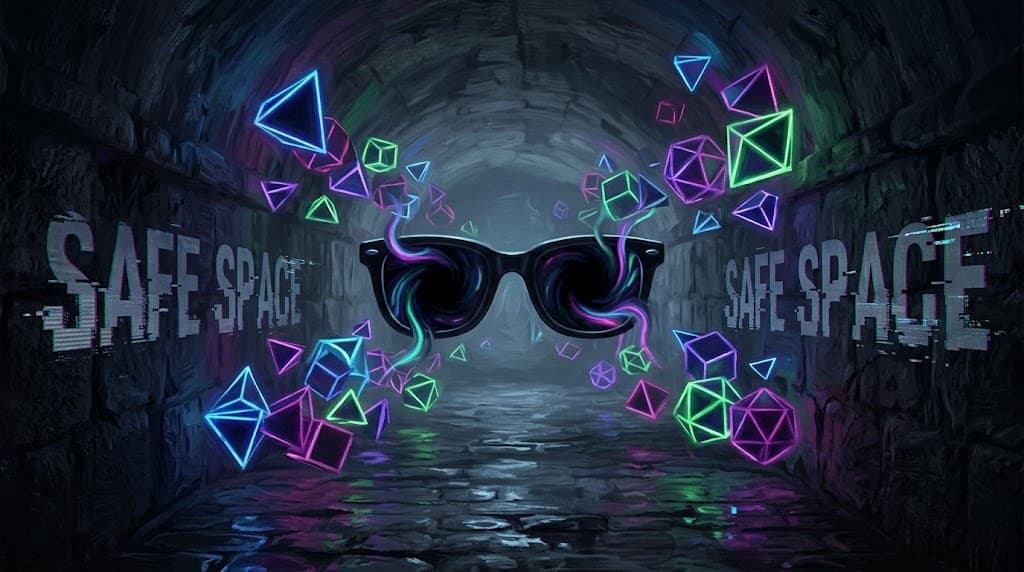
Today, Friday, June 19, 2026, the electronic community wakes up to a mixture of shock and deep reflection. The recent publication of a video by a French content creator, who managed to bypass the strict security checks of Berlin temples like the iconic KitKatClub using smart glasses, has caused an earthquake in the foundations of our culture. We are not facing a simple anecdote of digital voyeurism; we are at a turning point that questions the viability of the historic 'no-photo' policy in the era of mixed reality devices and undetectable wearable technology.
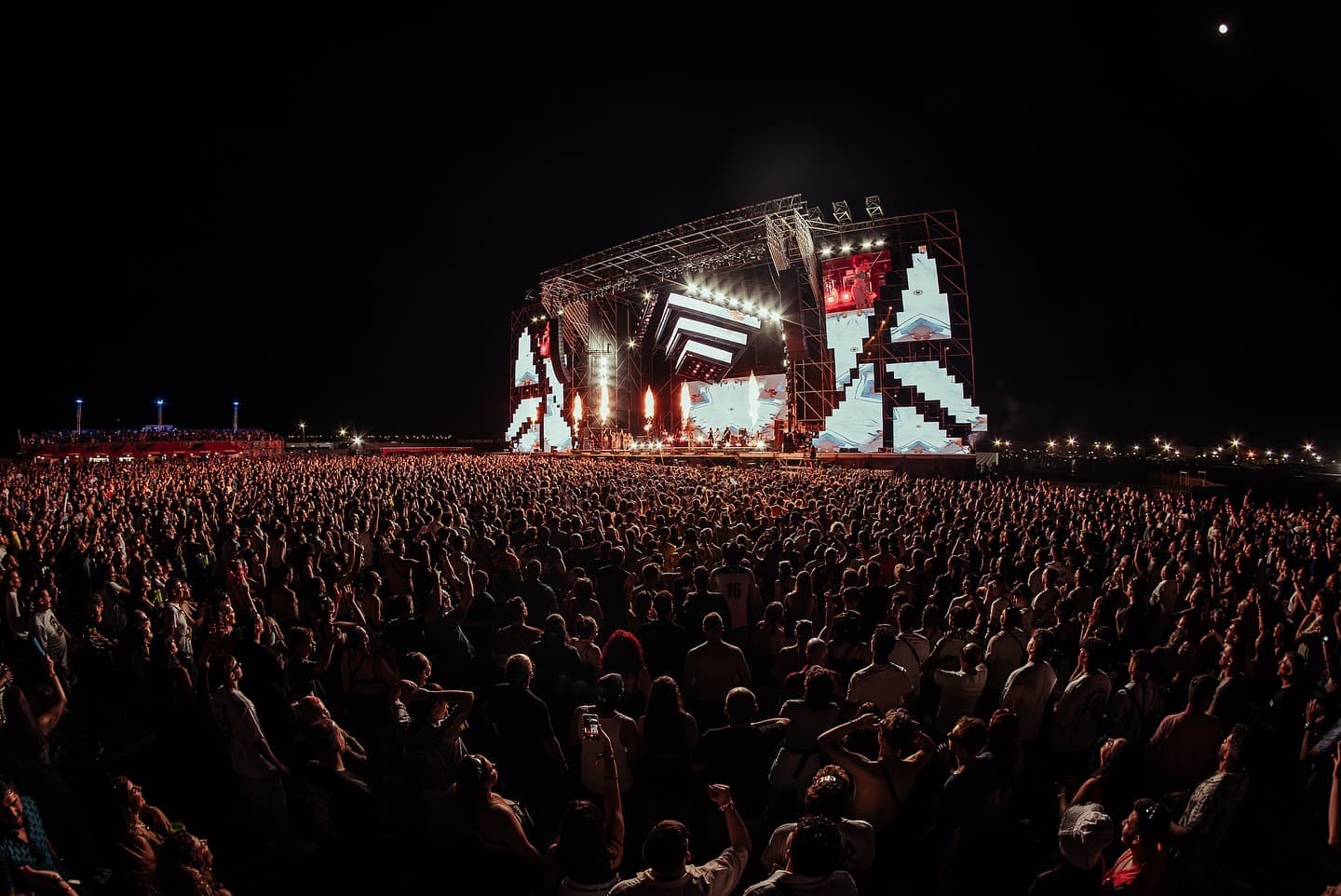
For decades, we have defended the dance floor as an ecosystem isolated from outside scrutiny. However, the audacity of this clandestine act forces us to face an uncomfortable reality. Technology is advancing at a pace that challenges traditional stickers on mobile phone cameras, and the ease with which one can now document the hedonism of others without consent places us at an unprecedented crossroads for the international underground scene.
The False Promise of Digital Transparency
We listen carefully, albeit with some skepticism, to those who argue that the absolute ban on cameras is anachronistic in the middle of 2026. There is a school of thought that argues that extreme secrecy fosters exclusionary elitism, and that showing the reality of these spaces democratizes access to club culture. It is even argued that opacity can cover up abuses and that greater transparency, audited by the attendees themselves through their recordings, would improve general safety. It is an intellectually stimulating argument, which appeals to the democratization of information and the demystification of the night for newcomers.
However, from this platform, we consider that confusing democratization with mandatory public exposure is a profound miscalculation. The essence of a 'sex-positive' club or any space dedicated to radical expression does not lie in its exhibition, but in the guarantee of anonymity. Those who advocate for free recording often forget that the magic of the dance floor flourishes precisely when the individual knows they are safe from external judgment, social scrutiny, the dreaded corporate doxxing, or the risk of compromising their professional life for the simple act of dancing freely on a Sunday morning.
Consent as the Central Axis of the Experience
The unanimous condemnation by collectives, promoters, and regulars of the scene is not a mere conservative reaction to technological progress, but a staunch defense of consent. Recording people in a state of vulnerability, euphoria, or intimacy without their explicit permission is a severe transgression of the unwritten codes that sustain our community. Smart glasses and discreet wearables are not tools for citizen auditing in this specific context; they become instruments of invasion that threaten to transform a sanctuary of liberation into an unwanted global showcase.
I feel deep concern observing how the thirst for validation on video platforms prioritizes visual impact over respect for others. The 'zero camera' policy does not seek to create a restricted-access club for a privileged few, but to forge a temporary refuge against the hyper-surveillance that dominates our daily lives. Breaking that pact of trust through technological subterfuge weakens the social cohesion of the dance floor and pushes us toward a model of leisure where paranoia replaces genuine human connection.
Preserving the Mystery in the Wearable Era
Looking to the future, it is evident that the clubbing industry must adapt without renouncing its foundational principles. Security checks at the doors will have to evolve, perhaps by implementing more exhaustive protocols or specific detectors for mixed reality glasses and other hidden recording devices. But the real battle will not be fought only at the entrance of the venues, but in the field of cultural pedagogy. We must remind new generations why we turn off screens when we turn on the speakers.
Ultimately, the survival of underground culture in this dizzying 2026 will depend on our ability to protect mystery and collective intimacy. The true privilege is not being able to consume a high-definition video of the interior of a Berlin club from the comfort of home, but having the courage to cross its doors, put the device in your pocket, and merge with the present moment. Let us defend our safe spaces with the elegance, education, and firmness they deserve, because once the cold light of the camera illuminates the darkness of the dance floor, the magic risks fading away forever.