
The Claude AI Revolution in the Recording Studio
The integration of artificial intelligence into electronic music production has moved past the basic experimentation phase to become an industry standard. Today, May 5, 2026, the prestigious magazine We Rave You has published a definitive guide detailing how producers are using Claude, the AI developed by Anthropic, to transform their studio workflow. Far from replacing human creativity, the current approach focuses on using the tool as an advanced technical assistant for sound design, music theory, and overcoming creative blocks.
MCP Connectors and the Ableton Live Ecosystem
The recent turning point for the musical ecosystem was the launch, at the end of April 2026, of connectors based on the Model Context Protocol (MCP) by Anthropic. This technology allows Claude to integrate directly with industry creative tools, eliminating the need to constantly switch between the DAW (Digital Audio Workstation) and the browser.
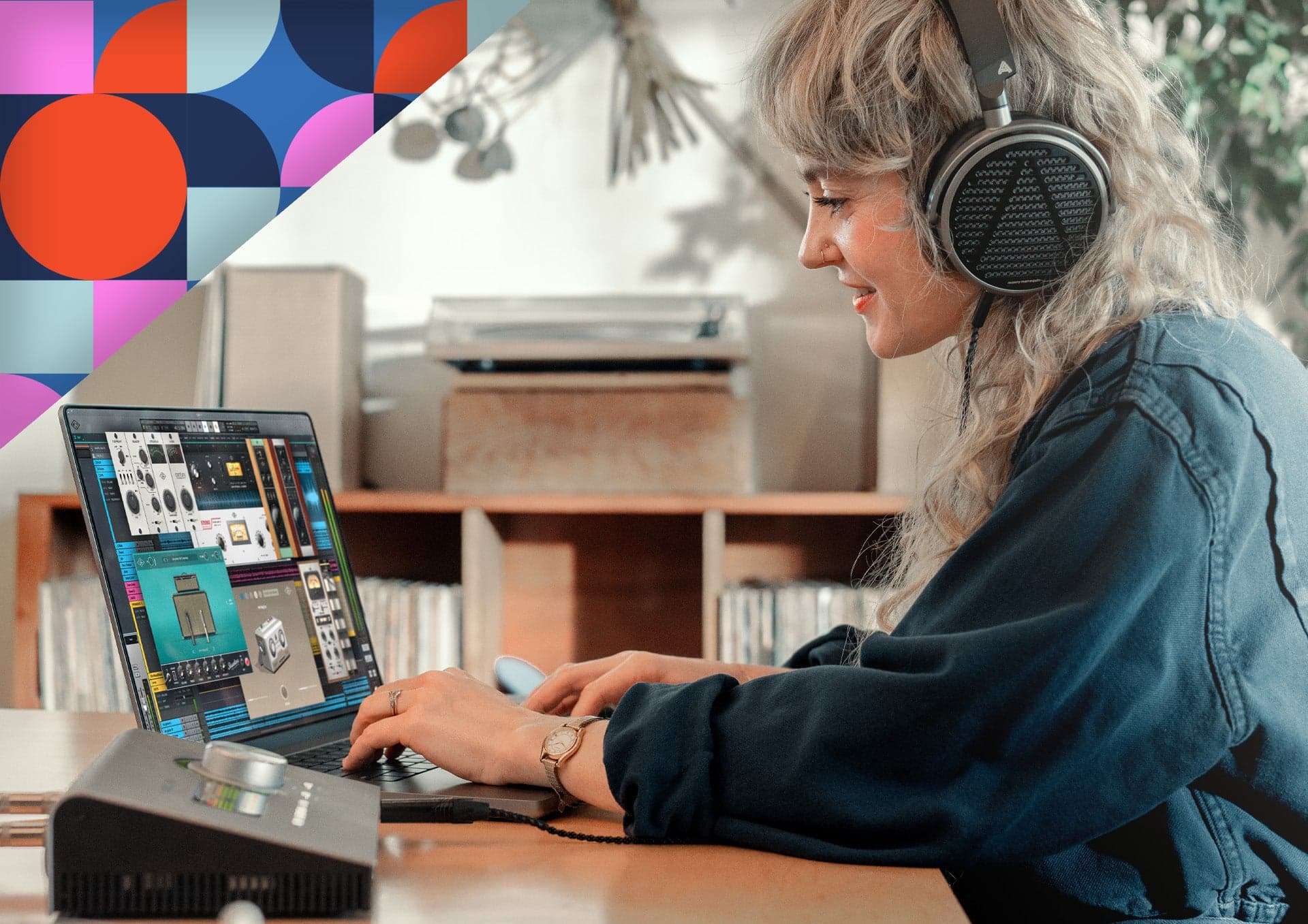
According to technical reports, the official Ableton connector anchors the AI's responses directly to the official Ableton Live and Push documentation. This means that artists no longer receive generic suggestions, but precise solutions based on official manuals. Furthermore, integration with sample platforms allows producers to search through immense royalty-free catalogs without leaving the assistance environment.
- Real-time technical assistance: Troubleshooting complex routing or explaining complex synthesis functions.
- Code generation: Using Claude Code to write scripts, plugins, and generative systems for music software.
- Asset management: Searching and integrating samples directly from libraries like Splice.
Start playback
MIDI Generation and Structural Sound Design
One of the most notable advances documented in the current scene is the use of third-party plugins like MIDI Agent. This VST3 allows for the integration of advanced models like Claude Sonnet 4.5 and Claude Opus directly into DAWs like FL Studio or Logic Pro. Through detailed prompts, producers can generate chord progressions, complex melodies, and continuations of musical ideas that act as a starting point.
However, Claude's greatest value in 2026 lies in its ability to provide structural feedback. Since it cannot listen to audio directly, the AI forces the producer to articulate their problems with precision. For example, by entering a detailed prompt like "I have a melodic techno track at 132 BPM, the build-up lasts 32 bars with a filter sweep, but the drop lacks impact," Claude provides actionable mixing solutions.
If the specific problem is that the kick drum loses strength against the bass, the AI's response will not be limited to suggesting a volume increase. It will cover transient emphasis in the mid-range, specific sidechain relationships, and the use of high-pass filters to create harmonic space, offering a professional audio engineering approach.
Producers who get the most out of Claude do not use it at the end of a session when they are stuck, but rather integrate it throughout the entire creative process.
— We Rave You (May 2026)
The Verdict: Digital Symbiosis or Loss of Authenticity?
The arrival of these tools in the clubbing ecosystem and electronic music labels raises an unavoidable debate about authenticity in the studio. As scene analysts, it is evident that current AI cannot replicate the human "groove," dancefloor intuition, or the aesthetic taste that defines a legendary producer. Nevertheless, the implementation of Claude acts as a powerful catalyst that democratizes advanced technical knowledge.
By delegating mechanical tasks, Python routine design, and audio engineering doubts to a virtual assistant, the artist has more mental space for true sonic innovation. In today's recording industry, the competitive advantage no longer lies exclusively in who knows a synthesizer's submenus best, but in who knows how to formulate the right questions and establish the appropriate constraints to bring their acoustic vision to reality. Electronic music has always been a pioneer in adopting new technologies, and this structural symbiosis with artificial intelligence represents, indisputably, the next step in its natural evolution.