Biography of Marcel Dettmann
Berghain as a magnetic field
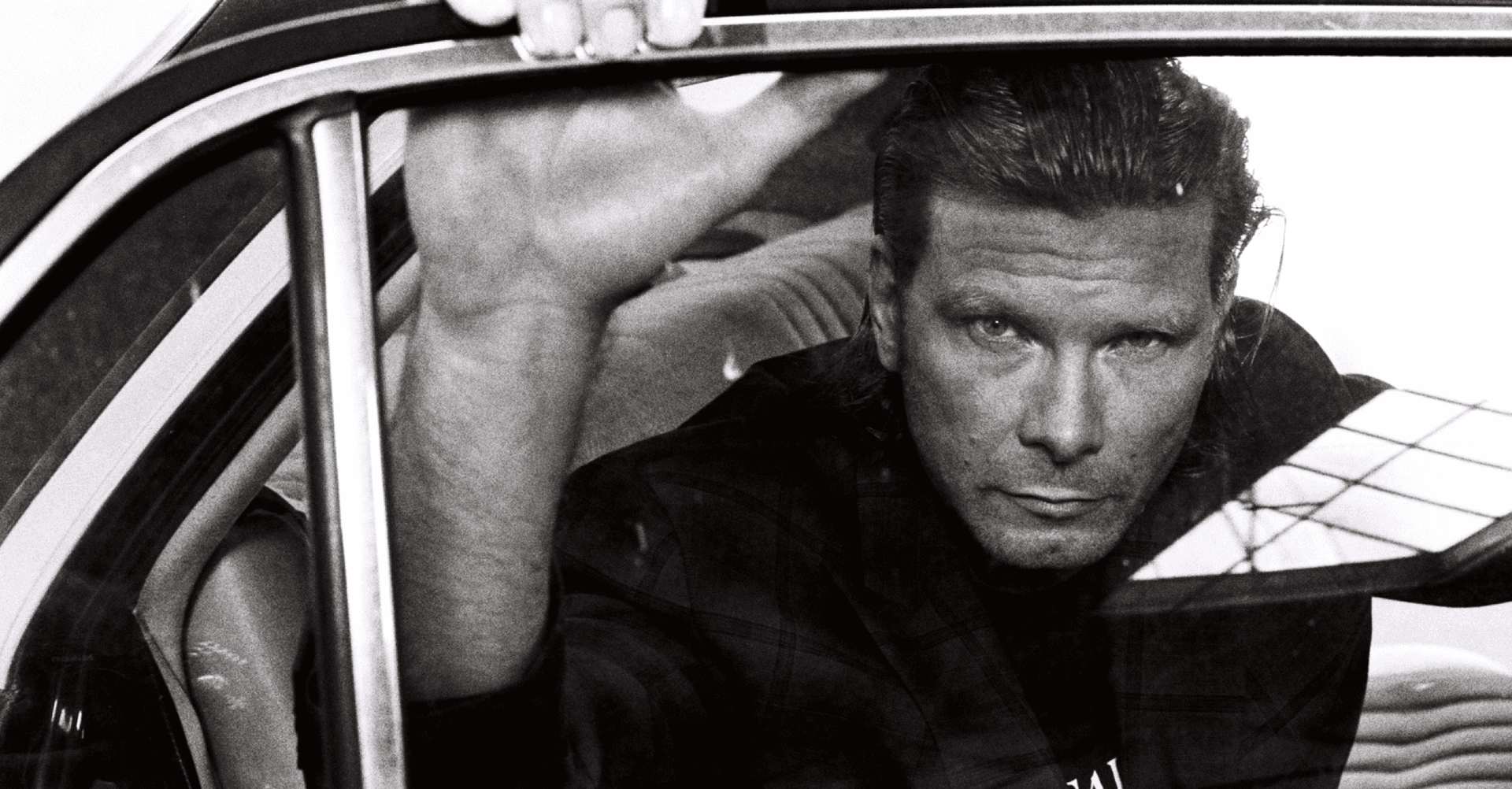
Few DJ booths have defined an idea of sober, physical, and dark techno as precisely as those Marcel Dettmann has occupied in Berlin within the OstGut and Berghain environment. Born in Pößneck, in the former GDR, and shaped by East German youth culture, his relationship with electronic music was fueled before techno by new wave, EBM, post-punk, and industrial music. He began DJing in 1994 and, starting in 1999, became linked to the OstGut/Berghain lineage, a residency that placed him at the center of one of the most influential institutions in European club culture.
The rigor of Hard Wax and the economy of the beat
His time at the Berlin record store Hard Wax reinforced a way of understanding the craft based on patient searching, archiving, and precise selection. As a DJ, Dettmann works with a highly recognizable tension: hard-hitting rhythms, austere basslines, industrial textures, and a narrative that does not rely on excess, but on accumulated pressure. His sets can cross contemporary techno, electro, EBM, and pre-techno forms, maintaining a reduced and harsh aesthetic, yet one that is also emotional and shifting.
MDR, Ostgut Ton, and a discography of hard lines
As a producer, he began releasing music regularly in the mid-2000s. His own label MDR, short for Marcel Dettmann Records, became an essential channel for his vision of techno: functional, independent, and uncompromising. In parallel, he released material on Ostgut Ton and other major labels, with albums such as Dettmann and Dettmann II, as well as EPs, remixes, and collaborations with artists like Ben Klock, Lucy, Emika, Frank Wiedemann, Fever Ray, Moderat, or Planetary Assault Systems. He has also signed mixes and compilations for platforms and labels such as fabric, Music Man, !K7, and Dekmantel.
Beyond the nightclub
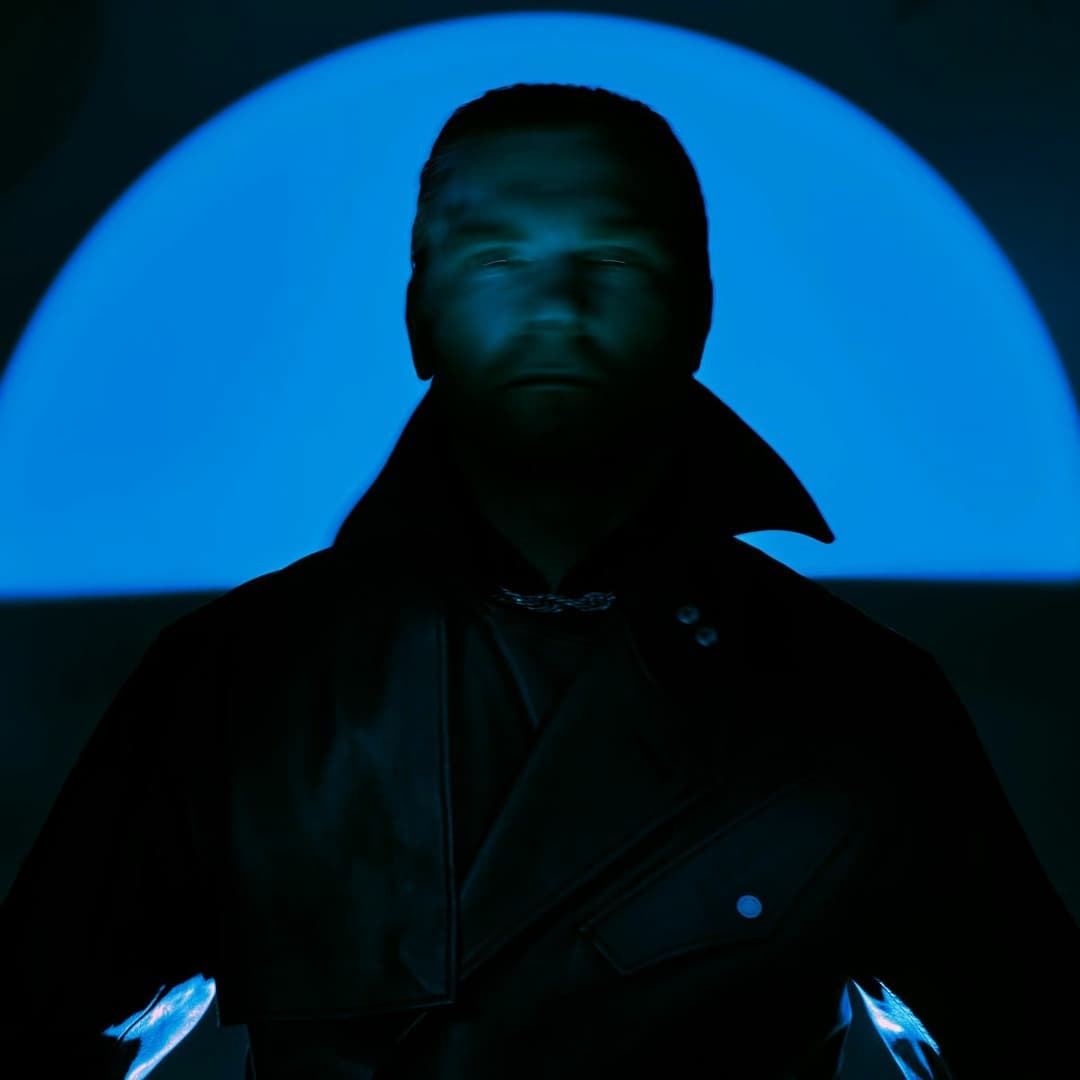
Dettmann's trajectory is not limited to the DJ booth. He has developed work related to visual art, contemporary dance, and sound for image, including the Masse project alongside Frank Wiedemann and choreographer Nadja Saidakowa in connection with Berghain and the Staatsballett Berlin, as well as music linked to the short film Seduction and contributions to the sound universe of The Matrix Resurrections. In 2022, he released Fear Of Programming on Dekmantel, an album that reopened his long-form catalog with a broader reading of his language: club techno, atmosphere, sound design, and a less predictable tension. His recent phase adds the alias My Own Shadow, presented as a space to unite music, photography, film, and performance, with material on !K7 that expands his palette toward techno and ambient zones without abandoning the austerity that marks his identity.
Entities related to Marcel Dettmann
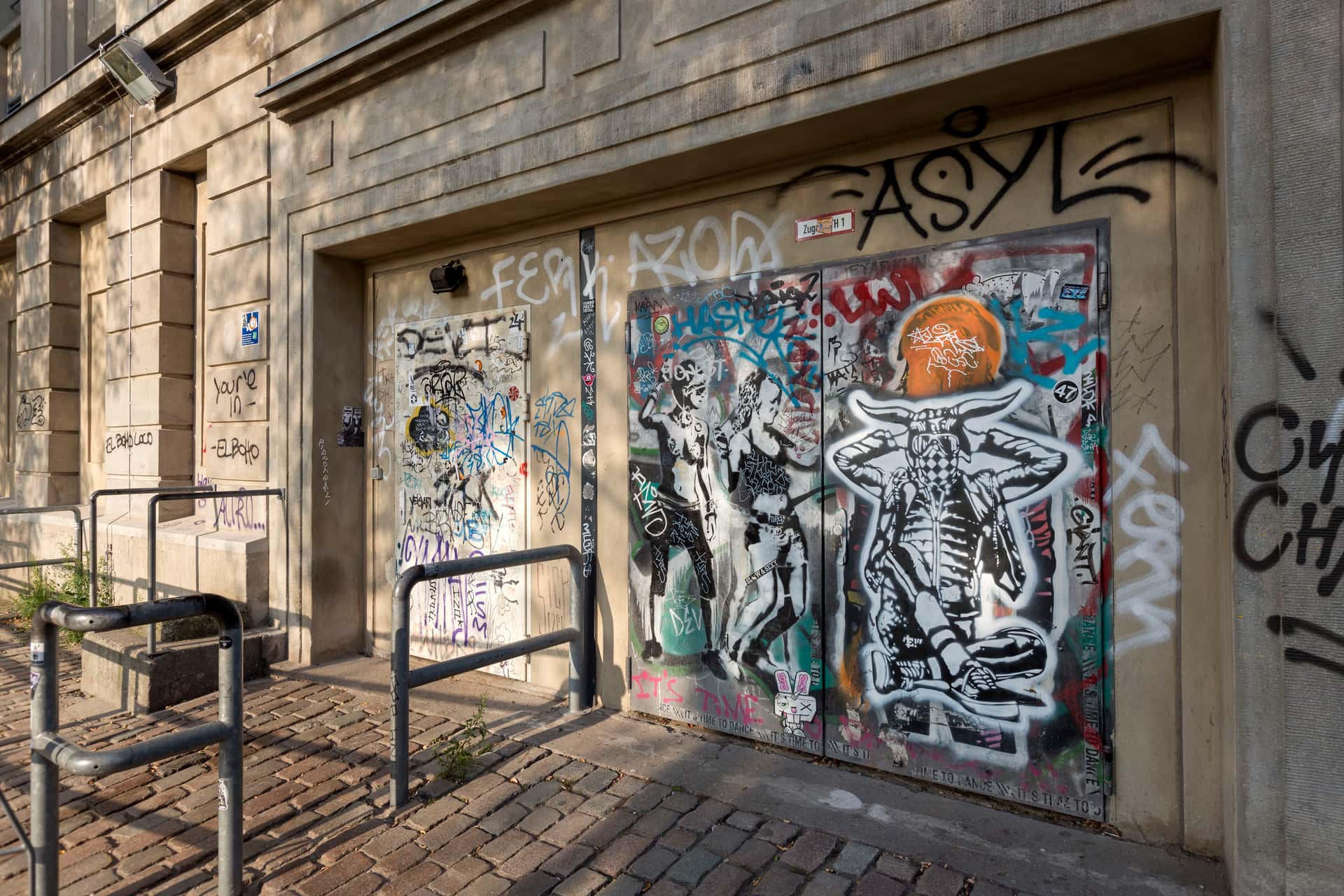
Clubs where Marcel Dettmann plays
DJs related to Marcel Dettmann


Marcel Dettmann in the Magazine
Magazine· 27 Aug 2026
SOUNDIT Barcelona 2026: Carl Craig y Jeff Mills al mando

Magazine· 28 Jul 2026
Gerd Janson y Marcel Dettmann: Su set B2B en Sónar 2026

Magazine· 4 Jul 2026
ADE 2026: Primeros 350 Artistas de su 30º Aniversario
See moreSee less
Magazine· 27 Aug 2026
SOUNDIT Barcelona 2026: Carl Craig y Jeff Mills al mando
Magazine· 28 Jul 2026
Gerd Janson y Marcel Dettmann: Su set B2B en Sónar 2026
Magazine· 4 Jul 2026
ADE 2026: Primeros 350 Artistas de su 30º Aniversario
Magazine· 29 May 2026
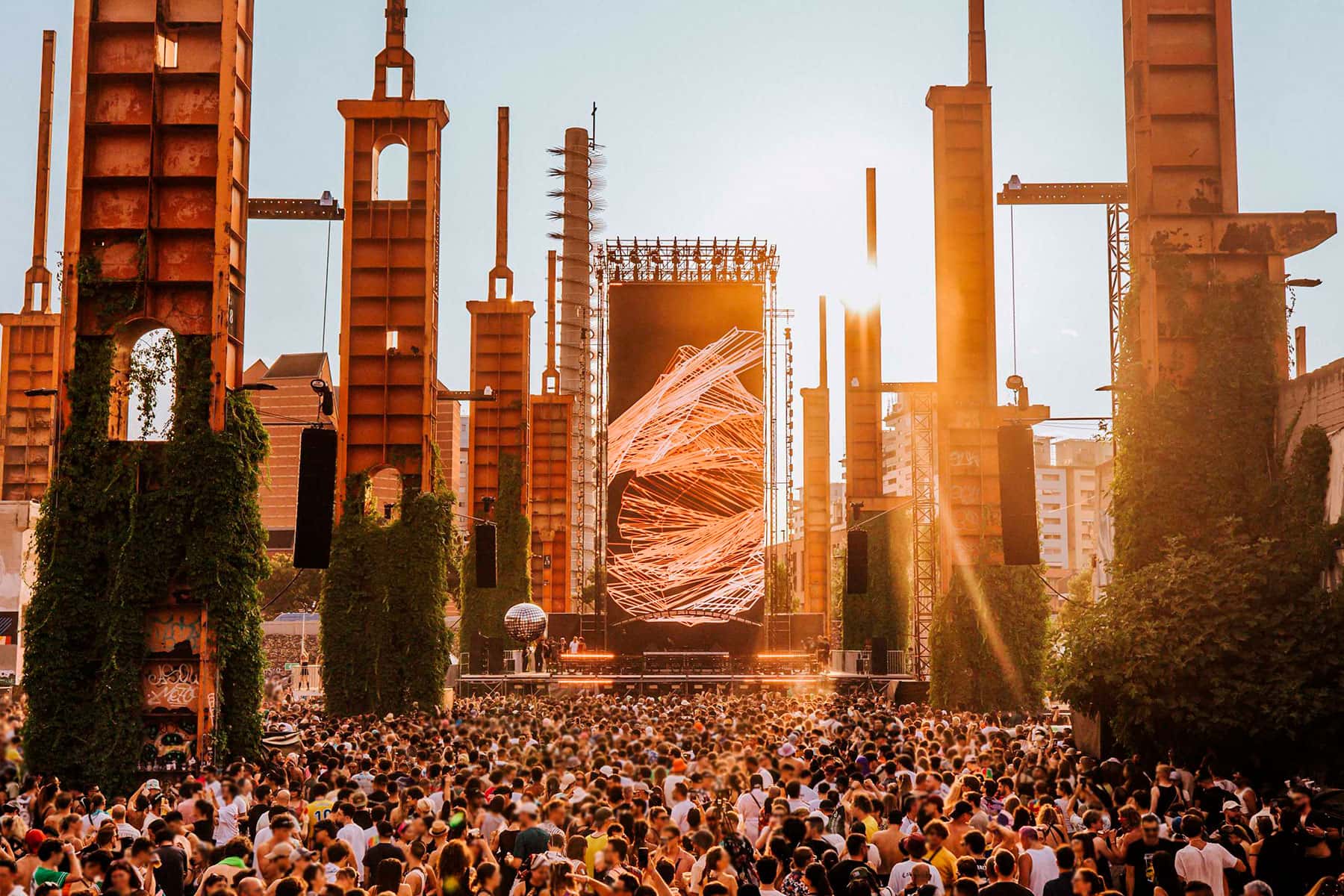
Kappa FuturFestival 2026: Cartel Histórico en Turín
Magazine· 18 Mar 2026
Brunch Electronik Madrid 2026: Cartel y Fechas Confirmadas

TV· 14 Nov 2025
Los DJs con Más Sets en Berghain: Leyendas del Techno