

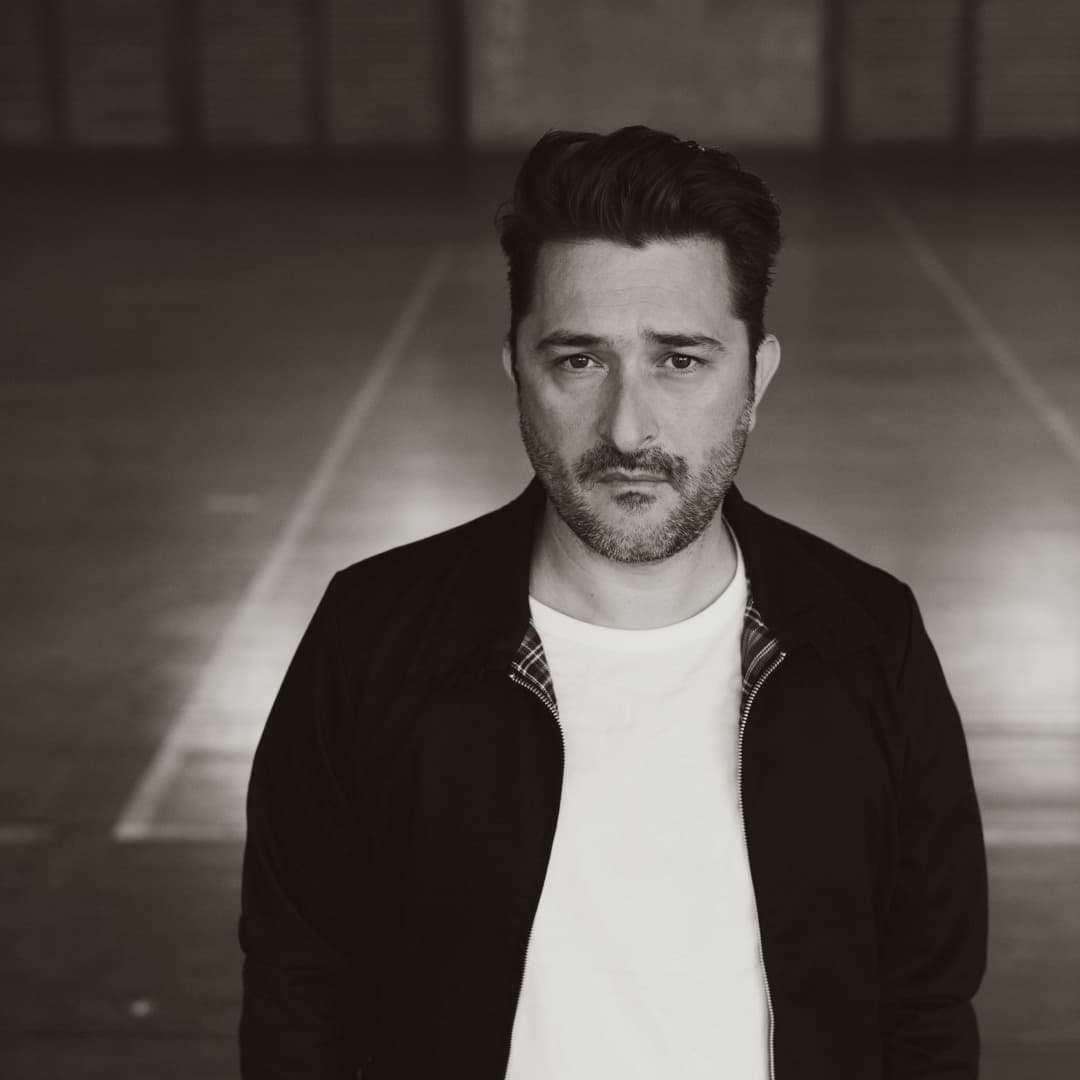
Biography of The Hacker
Machines with a noir pulse
The cold line between Detroit techno, European electro, and the mechanical tension of EBM found one of its most recognizable voices in The Hacker. From Grenoble, his music has functioned as a bridge between the French rave culture of the early nineties, the synthetic imagery of Kraftwerk, Front 242, Depeche Mode, or New Order, and a dry, elegant, and futuristic form of club music. His artistic identity gained momentum in the mid-nineties, following a harder phase linked to hardcore and the XMF project, and crystallized into his own reading of machine techno: dark, precise, and with a strong melodic charge.
The Kittin spark and the electroclash lexicon
The alliance with Miss Kittin turned that vision into a generational language. Around DJ Hell's International Deejay Gigolo label, the duo signed tracks like Champagne, 1982, and Frank Sinatra, songs that helped define electroclash as a crossover of punk attitude, synthetic pop, vocal irony, and technoid programming. The impact of First Album consolidated an aesthetic that connected underground booths, German clubs, and an international audience drawn to electronic music with lyrics, personality, and an urban edge. The Hacker was never limited to that label: he used it as a platform to continue exploring electro, acid, new wave, industrial techno, and analog-style basslines.
Cold records, key labels, and hardware culture
As a solo artist, his catalog shows a very clear continuity between the dance floor and the laboratory. Mélodies En Sous-Sol opened his long phase as a producer with a harsh and futuristic reading of electro-techno, while Rêves Mécaniques reinforced his more cinematic and somber profile. Later came works like Love/Kraft and Le Théâtre Des Opérations, the latter published by Dark Entries, in addition to references and remixes associated with labels such as GoodLife, Turbo, Mannequin Records, Rekids, or Phantasy. He has also developed the alias Amato, oriented toward an analog live set with EBM and techno roots, presented in contexts such as Dekmantel, Berghain, Nuits Sonores, and Off Sónar.
An active classic, not an archive piece
The relevance of The Hacker remains because his sound does not depend on nostalgia. His way of selecting and producing continues to dialogue with new generations of electro, EBM, and dark techno, while his collaboration with Miss Kittin remains a central reference for understanding the evolution of European club electronics. In the booth, he maintains a recognizable signature: tense basslines, dry snares, icy melodies, Italo nods, and a session architecture that prioritizes physical pressure without losing elegance. Three decades after his first productions, he remains a cult figure and a functional reference for those seeking machine electronics with character, history, and presence.
Entities related to The Hacker
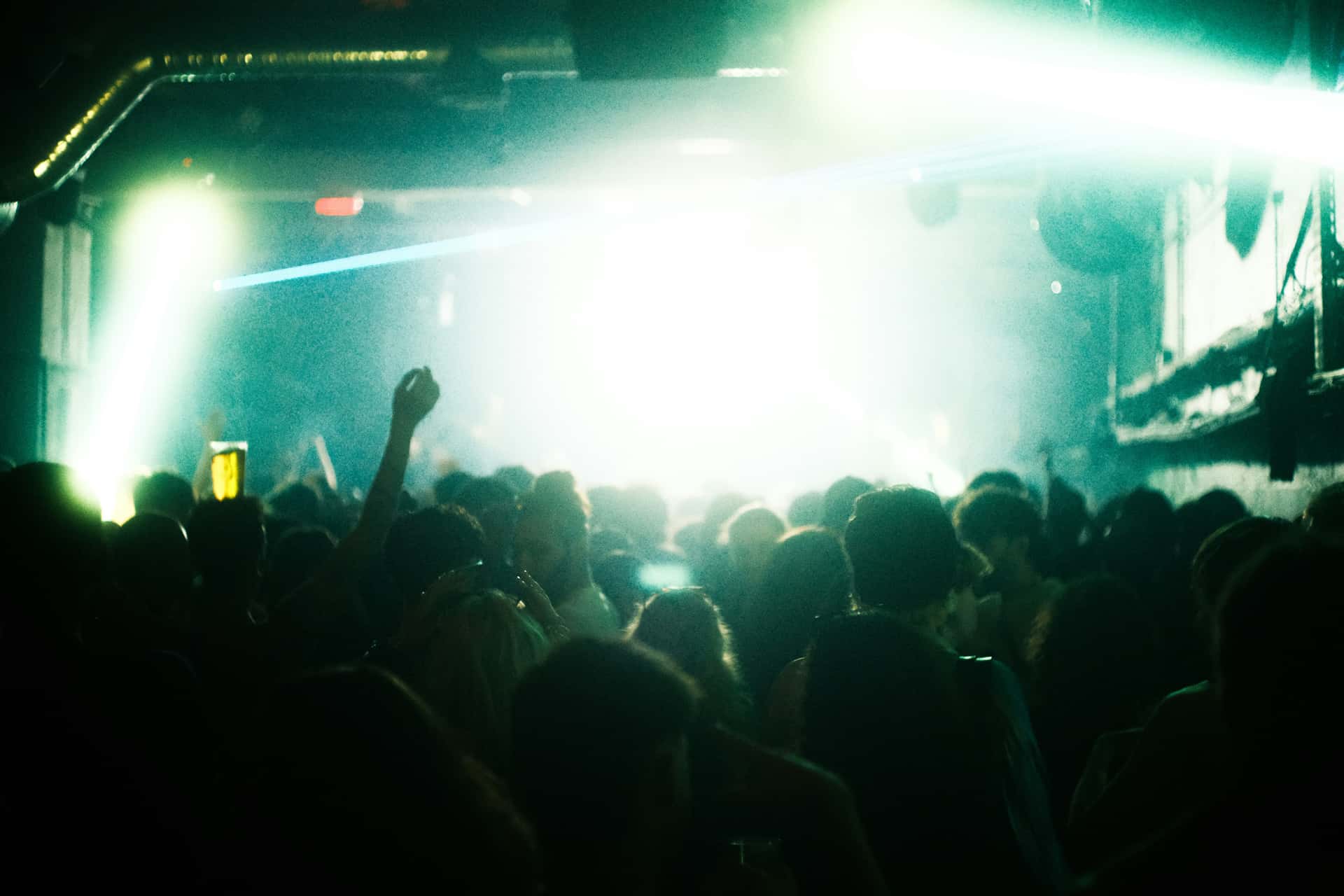
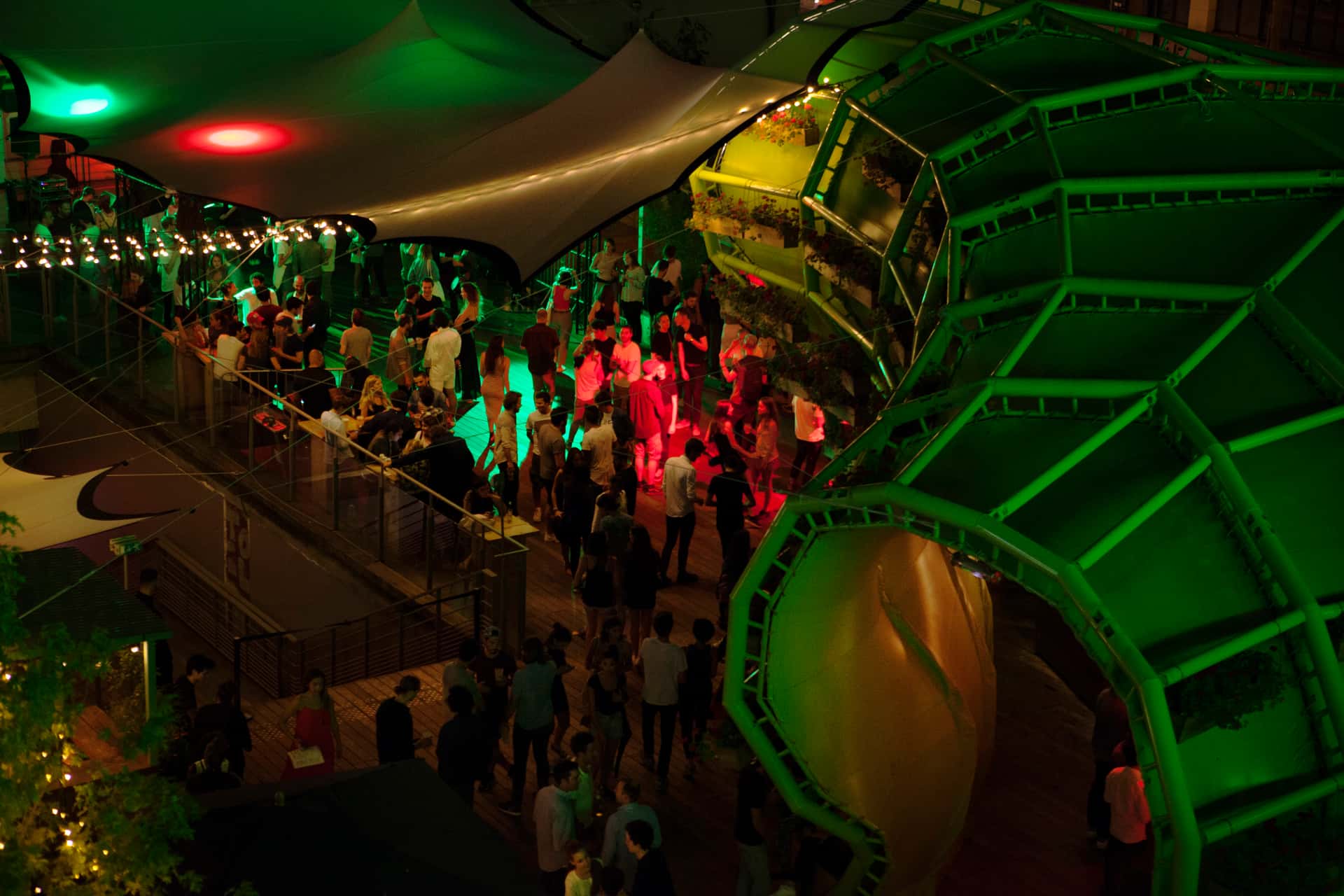
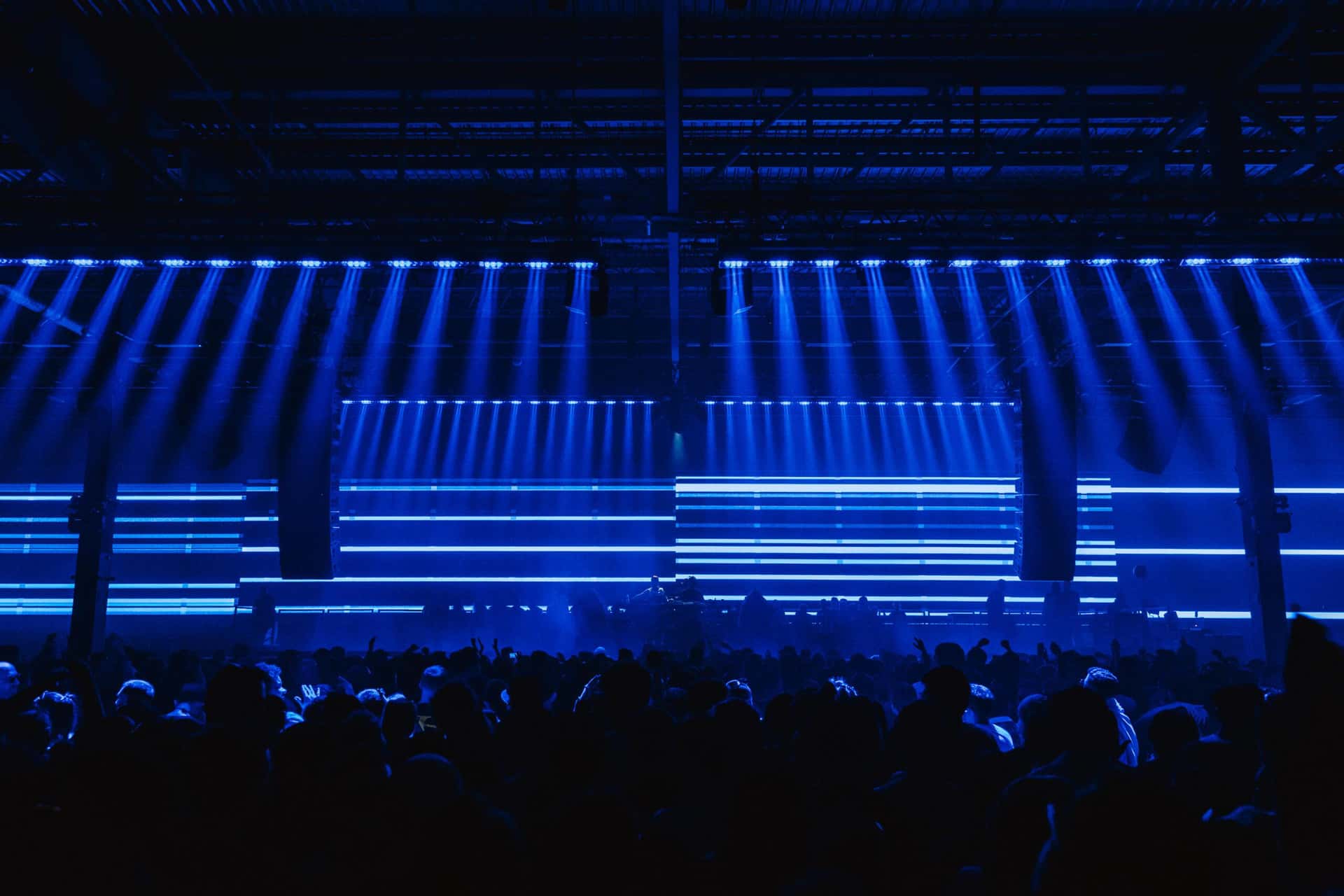
Clubs where The Hacker plays
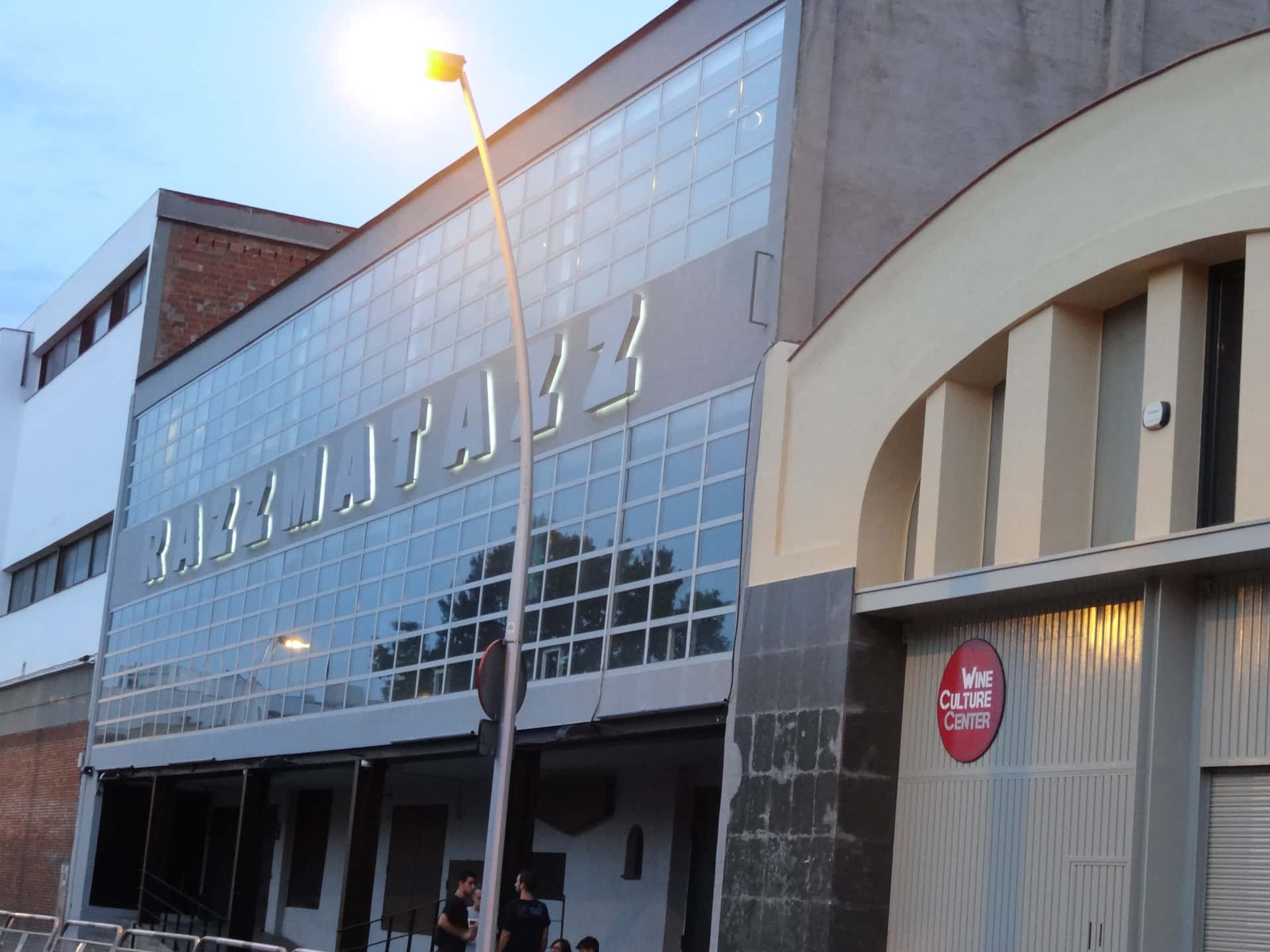
DJs related to The Hacker



The Hacker in the Magazine
TV· 21 Aug 2026
Vitalic: Trajectory, Identity and the Trap of his Success

TV· 15 May 2026
The Dark Side of French Electro: From The Hacker to Gesaffelstein
TV· 27 Dec 2025
History and Evolution of EBM: From the 80s to Current Dark Techno
See moreSee less
TV· 21 Aug 2026
Vitalic: Trajectory, Identity and the Trap of his Success
TV· 15 May 2026
The Dark Side of French Electro: From The Hacker to Gesaffelstein
TV· 27 Dec 2025
History and Evolution of EBM: From the 80s to Current Dark Techno

TV· 22 Aug 2025
10 Techno and House Legends Who Remain Active After Decades of Career