
Echoes of an unavoidable debate on the web
It is mid-2026 and, as if it were an infinite rhythmic loop, the electronic community is once again questioning the health of its own scene. Over the last forty-eight hours, r/Techno forums have been burning with a debate that, far from being a simple complaint from purists, poses an intellectually fascinating dilemma. Are we witnessing the dissolution of techno at the hands of capital and immediacy, or have we simply aged and our brains are no longer capable of being surprised? As analysts from this Tribuna Clubber, we feel obliged to dissect this phenomenon with the precision of a sonic surgeon, always maintaining respect for a culture we deeply love.
The premise that has lit the fuse is as brilliant as it is uncomfortable. Those who defend the theory of so-called genre fatigue argue that underground music of the highest quality is still there, pulsing in basements and dark warehouses, but that veteran ears have developed a sort of neural resistance. Techno, in its purest essence, functions through a neurological cycle of tension and release. After decades of exposure to this pleasure loop, the unpredictability that once made our skin crawl becomes predictable. It is an impeccable scientific argument: the human brain adapts, and what was once a hypnotic journey into the unknown is today perceived as an assimilated mathematical formula. Those who support this view suggest, quite elegantly, that we project our own mental saturation onto a scene that is still alive.
The shadow of the algorithm over the dancefloor
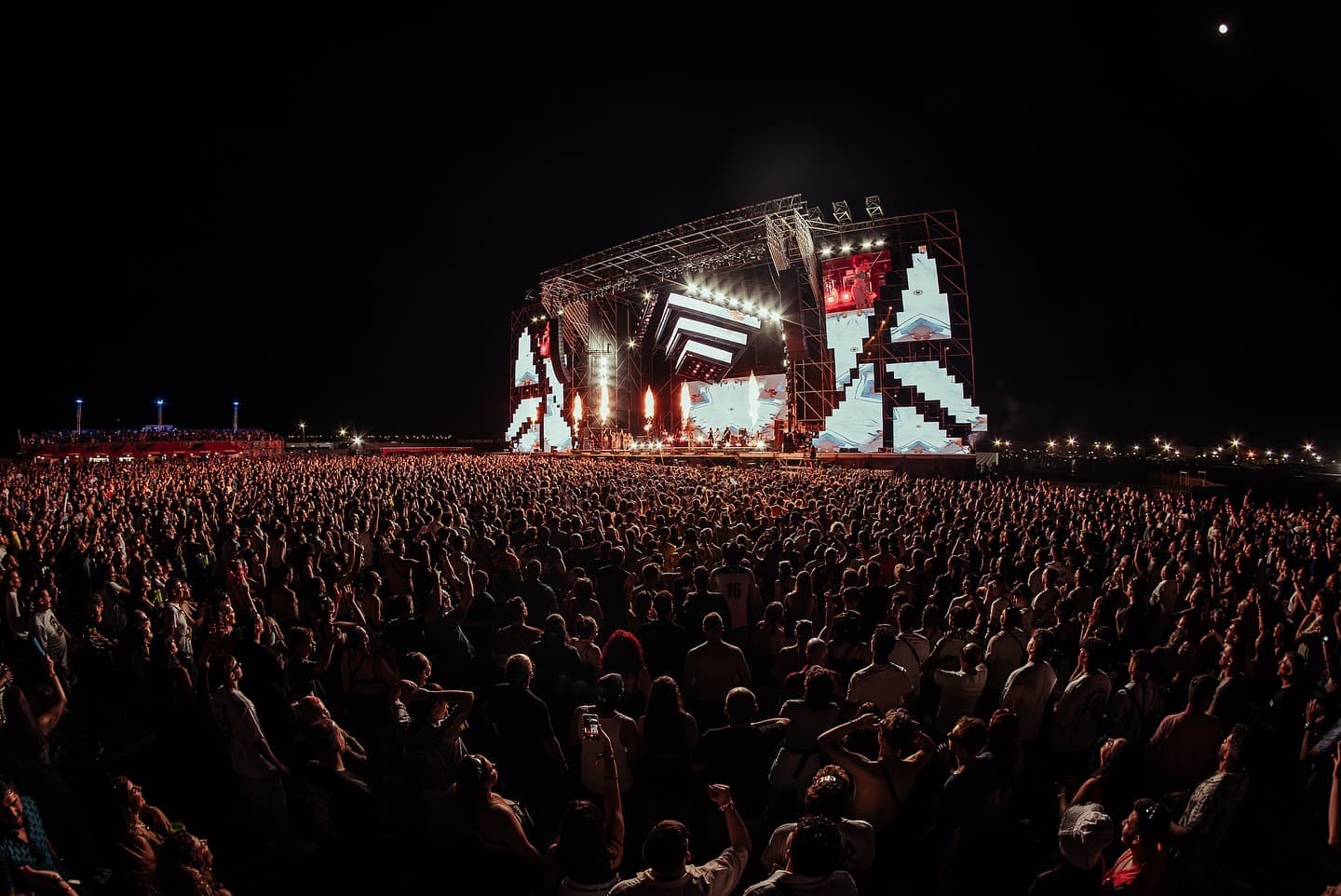
However, it would be naive to attribute all the collective malaise to a simple matter of auditory neurology. At the other end of the dialectical ring stands a community voice that denounces a very real and tangible structural crisis. For this faction, commercialization is not a psychological mirage, but a homogenizing force. We are facing the era of techno designed for social media and hyper-accelerated Hard Techno, where subtlety has been sacrificed on the altar of visual spectacle. The standardization of sound is a palpable fact when we observe how certain sectors of the industry prioritize frenetic rhythms of fast consumption, designed specifically to fit into ephemeral videos, over the narrative development of a long-form set.
In this context, the traditional dancefloor, historically conceived as a safe space for collective introspection and hypnosis, runs the risk of transforming into a showcase of superficial interactions. Those who denounce this commercial drift argue that the essence of the genre has been blurred, replacing emotional depth with fleeting impact. It is not simply that the music sounds faster or louder, but that the very purpose of communion in the club has been altered, pushing creators to compete for immediate attention instead of inviting the public to genuinely lose themselves in the sound.
Our verdict: At the intersection of two truths
From our perspective, we believe that both positions, far from being exclusive, complement each other to draw the exact landscape of electronic music today. On one hand, we must have the maturity to recognize that our perception changes over the years. It is undeniable that constant repetition alters our capacity for wonder, and blaming new generations for our own lack of stimulus is unfair. The underground resists, and there are still producers sculpting masterful sonic works in the shadows, waiting to be discovered by ears willing to listen with attention and patience.
But, at the same time, we cannot close our eyes to the voracity of a market that commodifies club culture. The influence of algorithms has changed the rules of the game, incentivizing prefabricated formulas that guarantee immediate validation but empty the immersive experience of content. As veterans and defenders of this culture, our responsibility is not to reject the present with bitterness, but to demand that the evolution of sound maintains its integrity. The solution does not lie in paralyzing nostalgia, but in a conscious exercise of curation: we must actively support the labels, promoters, and artists who continue to prioritize musical narrative over mere spectacle.
The future of hypnotic sound
Ultimately, techno has always been a reflection of the industrial and technological society that saw it born. If it sounds accelerated, fragmented, and anxious today, it is because our environment is as well. Perhaps the true resistance in these times consists of recovering the right to slowness, depth, and patience on the dancefloor. Whether fighting our own cognitive fatigue or challenging the impositions of the most commercial industry, the goal of this community remains the same: to protect that unrepeatable instant in which the kick drum connects us, returning us to our most human essence.