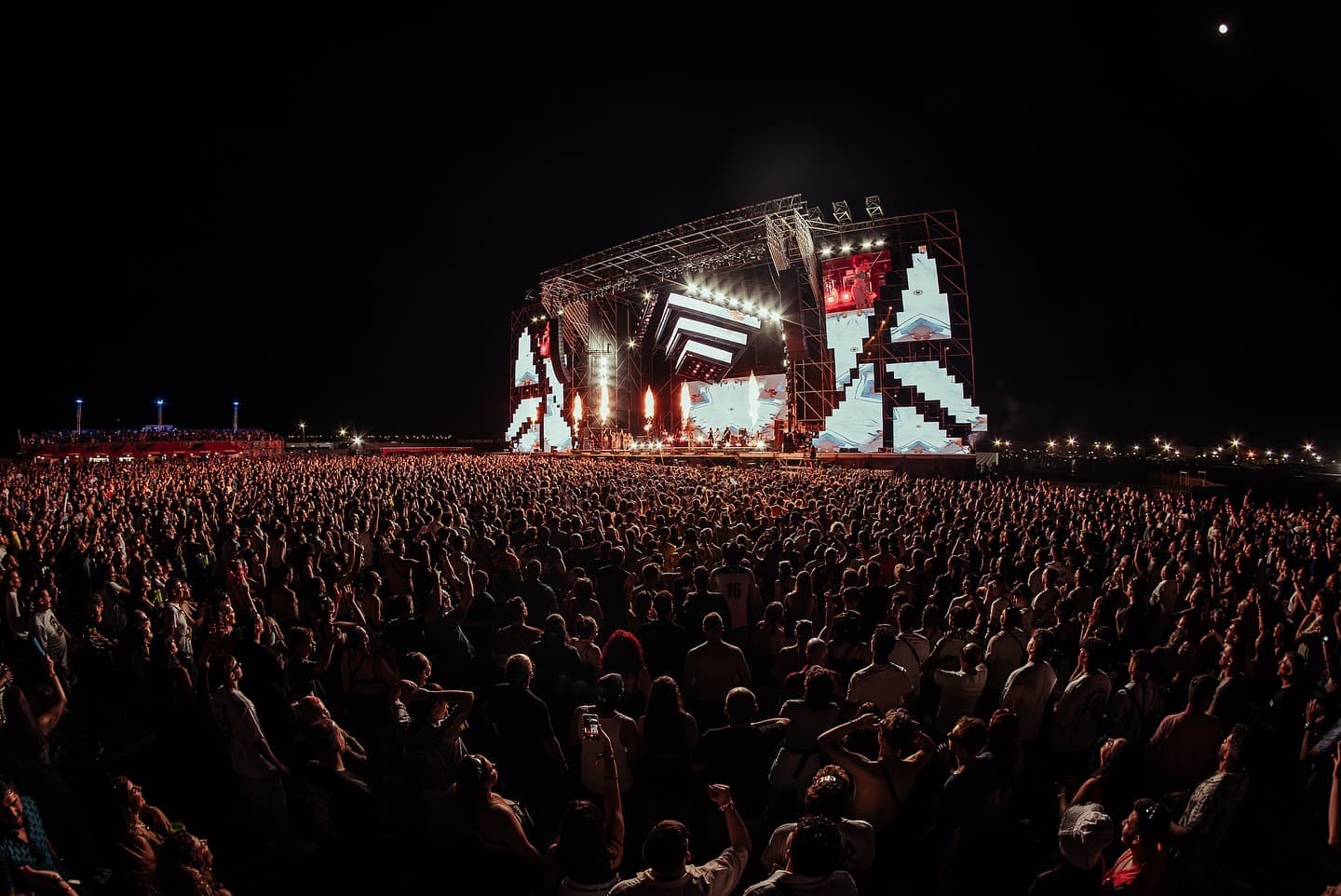
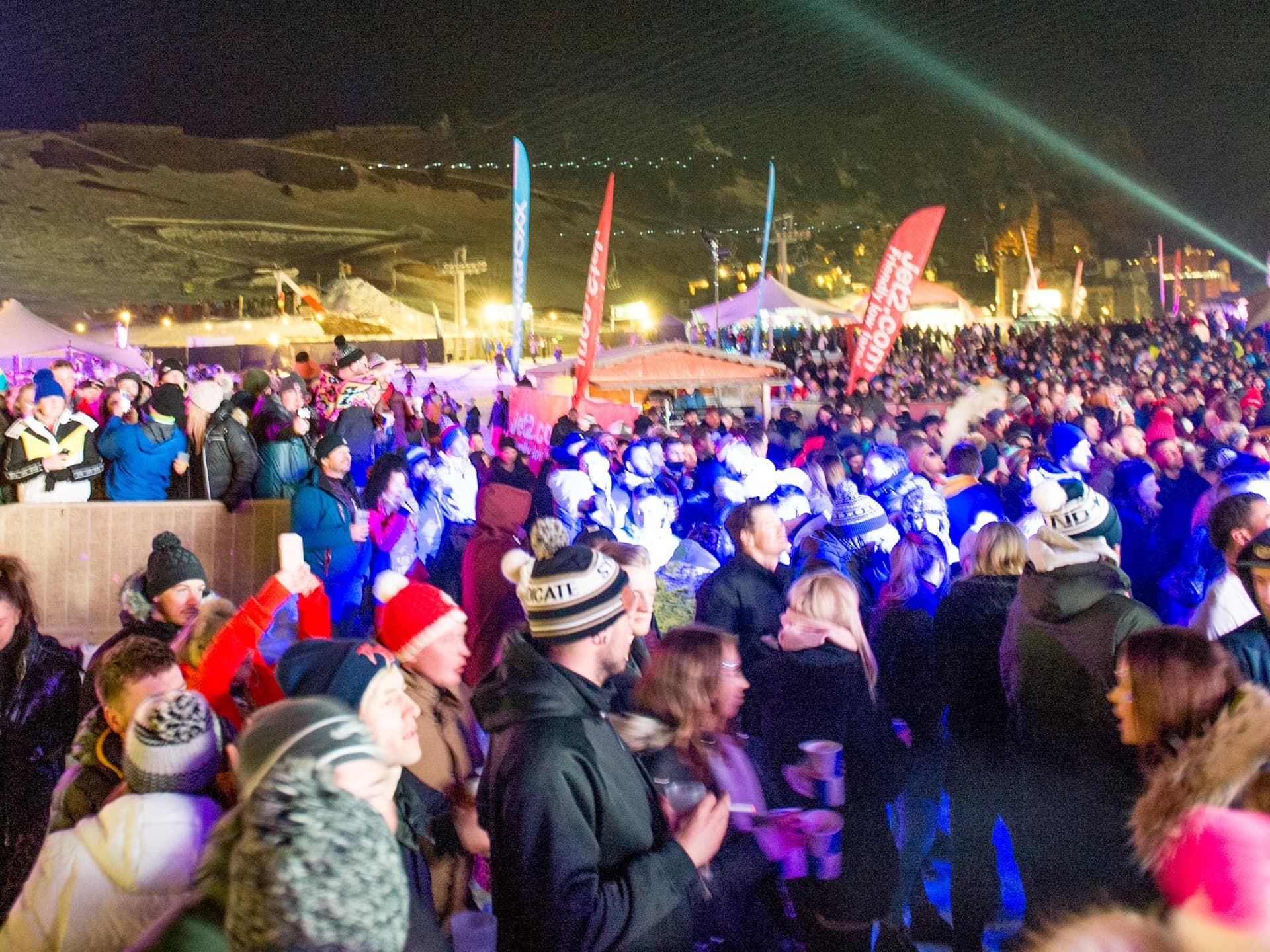

Last Sunday, June 21, 2026, the streets of Paris did not whisper amateur melodies; they roared under the unwavering weight of sub-bass. The historic Fête de la Musique, conceived over four decades ago as a melting pot of sonic diversity, culminated its progressive metamorphosis into a macro-rave of almost unfathomable proportions. More than two million souls, drawn by the incessant pulse of techno and electro, took to the avenues under extreme temperatures that tested both human endurance and the urban infrastructure itself. As analytical observers of the evolution of club culture, we find ourselves facing a phenomenon that demands deep reflection, far from easy applause and hasty condemnations.
The magnitude of this international gathering forced Parisian authorities to deploy a security apparatus unprecedented in the event's history. Severely cordoned-off perimeters, exhaustive checks, and the necessary multiplication of prevention points against gender-based violence painted a landscape that was far from the original street spontaneity. The city of light was transformed, for twenty-four hours, into an electronic fortress. It is undeniable that the logistics required to sustain this level of massive attendance irrevocably alters the physiognomy and natural flow of public space, raising urgent questions about the future viability of this model.
Asphalt as a social equalizer
Those who fervently defend this new incarnation of the festivities wield arguments of undeniable sociological weight. From this platform, we have always applauded the radical democratization of the dance floor. In an era where boutique electronic music festivals erect increasingly high economic barriers, with ticket prices that exclude a significant portion of youth, free and open access to high-fidelity sound systems represents a cultural victory. Seeing underground collectives and local DJs take over squares and boulevards is, without a doubt, a vibrant sight. It represents the triumph of the right to the city, an invaluable opportunity for subcultures to reclaim their place in the sun, far from the dark and exclusive confines of paid clubs.
Decibels that drown out memory
However, the other side of the coin reveals an urban landscape that borders on unsustainable saturation. Detractors of this macro-festival drift point out, quite rightly in our view, that the overexploitation of the rave format stifles the foundational spirit of the Fête de la Musique. That day, designed for the amateur jazz musician, the neighborhood string quartet, or the garage rock band to share their art on equal terms, seems to have been silenced by the strict tyranny of the four-on-the-floor beat. The absolute predominance of powerful sound systems monopolizes the acoustic spectrum, turning a plural celebration into a sonic monoculture that excludes those who do not commune with the intensity of club culture.
Furthermore, uncontrolled overcrowding raises security risks to critical levels. The true essence of underground clubbing lies in the creation of safe spaces, cohesive communities where mutual care and respect are paramount. When we move this delicate dynamic to a scale of two million people in the middle of a heatwave, the community fabric blurs, giving way to a massification that distorts the musical experience and turns it into an exercise in survival.
The paradox of perimeter-fenced freedom
Personally, I feel that we are facing a fascinating and highly complex contradiction. The romantic search for a free party in public space has ended up requiring massive state intervention to avoid tragedy. Fences, searches, and a heavy police presence are the antithesis of the original free party philosophy. We have turned Paris into a huge open-air club, yes, but at the cost of packaging the experience under strict government control measures. One has to wonder if, in our eagerness to bring techno to the masses, we are not emptying our scene of its subversive character, transforming it into a mere temporary theme park of fast consumption and extreme wear and tear.
Rethinking the heartbeat of the metropolis
The debate over the regulation of the dance floor in public space should never be interpreted as an attack on electronic music, but as a clear symptom of its undeniable success and maturity. We firmly believe that the city needs to dance, but this dance must be logistically sustainable. The solution is not to ban or corner collectives in peripheral industrial estates, but to rethink the format from the root. Perhaps the future requires more intelligent urban curation, a real decentralization that distributes energy into multiple smaller-scale hubs, protecting both the physical integrity of attendees and neighborhood coexistence and the rich diversity of musical genres.
Underground electronics have always known how to reinvent themselves in the face of adversity, commercialization, and institutionalization. The challenge left to us by this historic and suffocating 2026 Parisian edition is monumental: to demonstrate that we are capable of maturing our occupation of public space. We must urgently find the exact balance where the non-negotiable freedom of clubber culture does not translate into the collapse of the city, preserving the community magic of the dance floor without its decibels ending up deafening the necessary citizen dialogue.