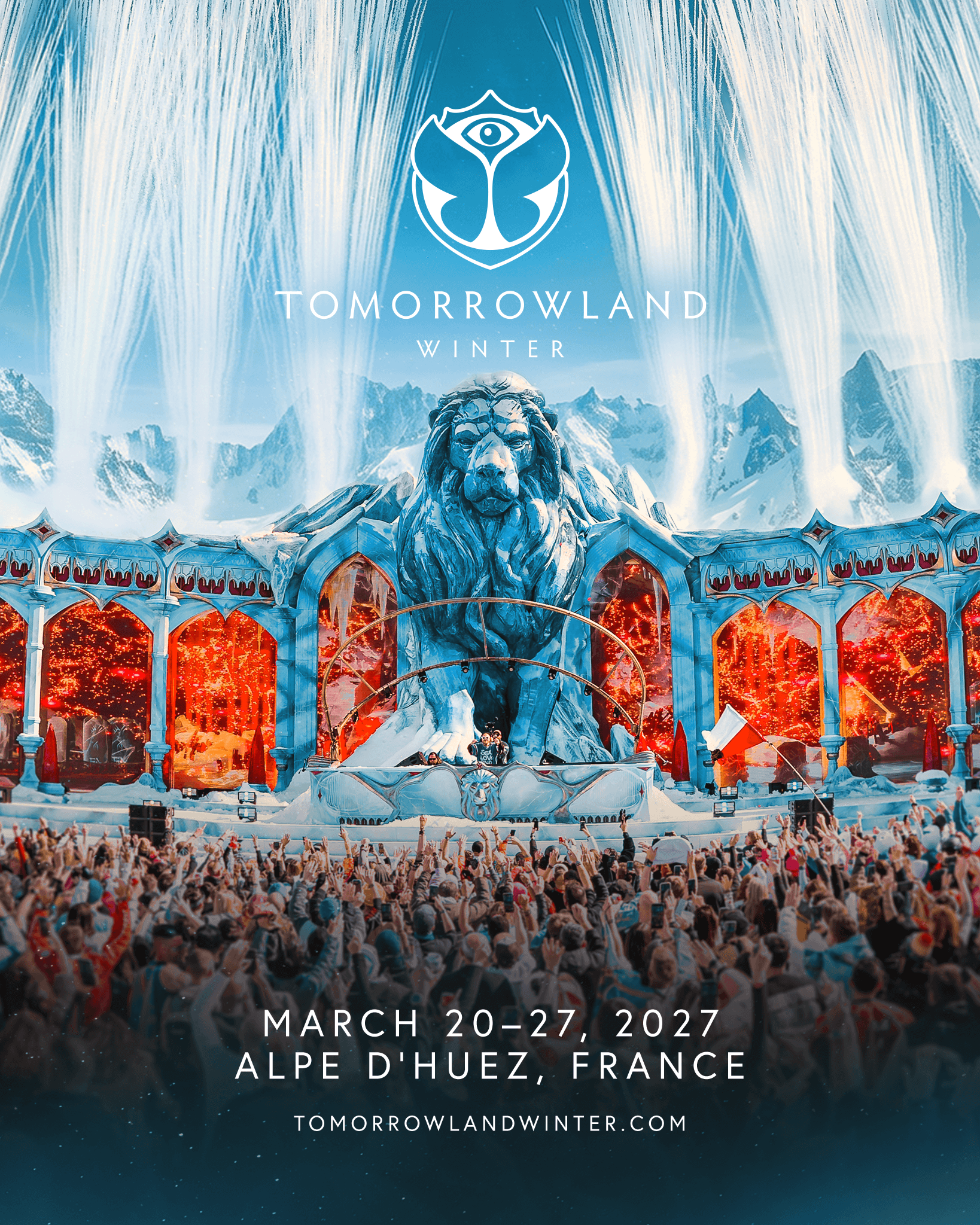

The confetti does not hide the reality of the numbers
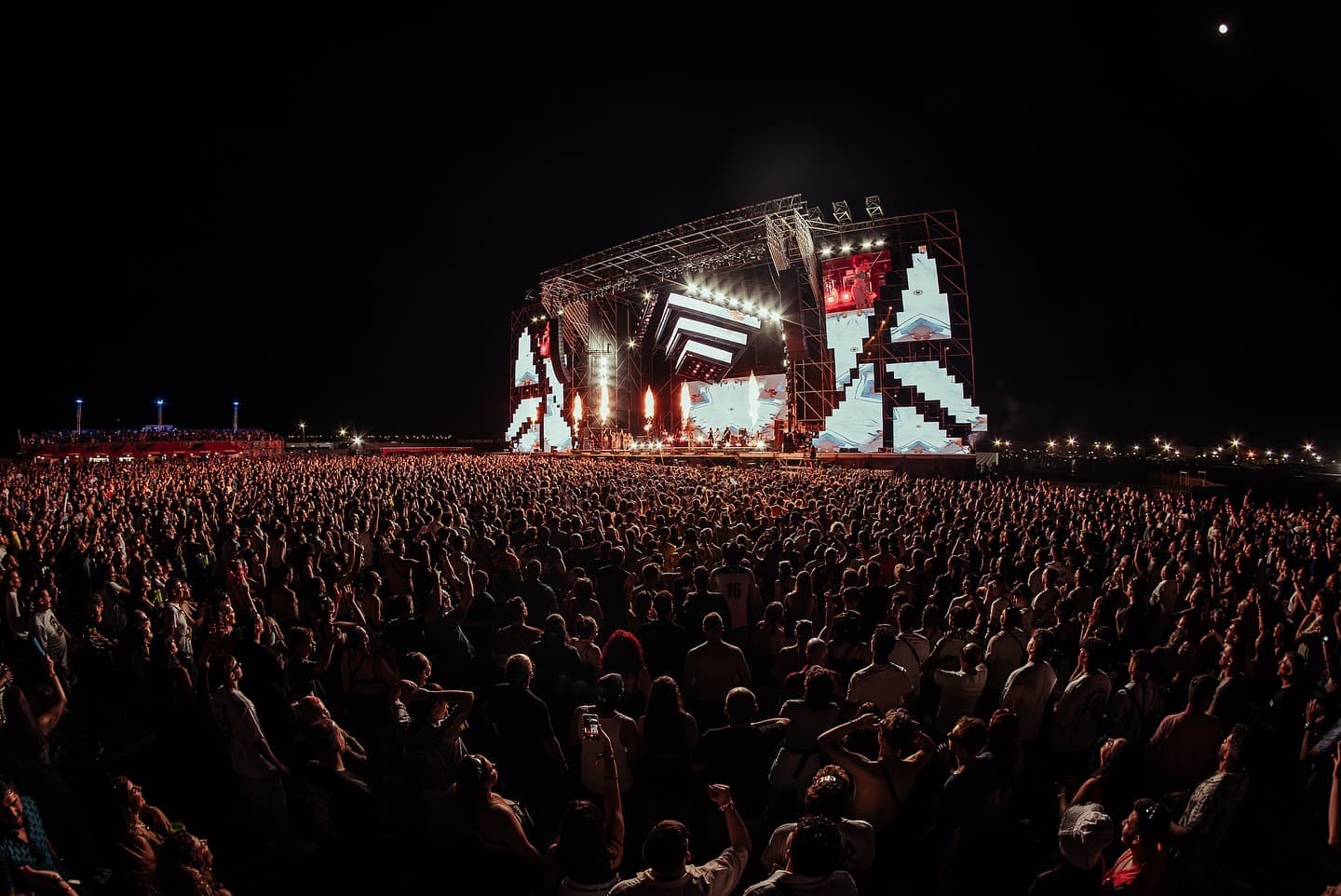
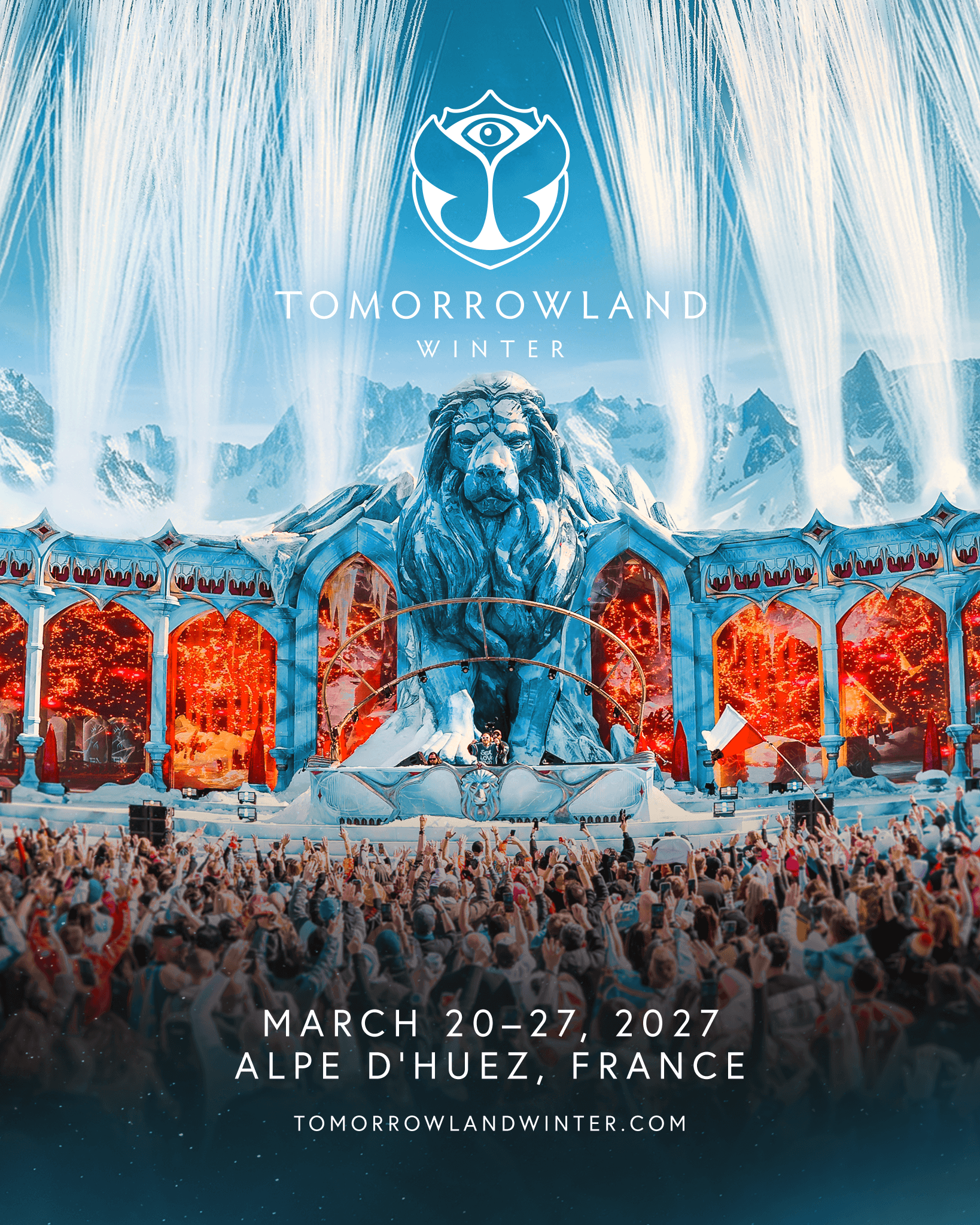
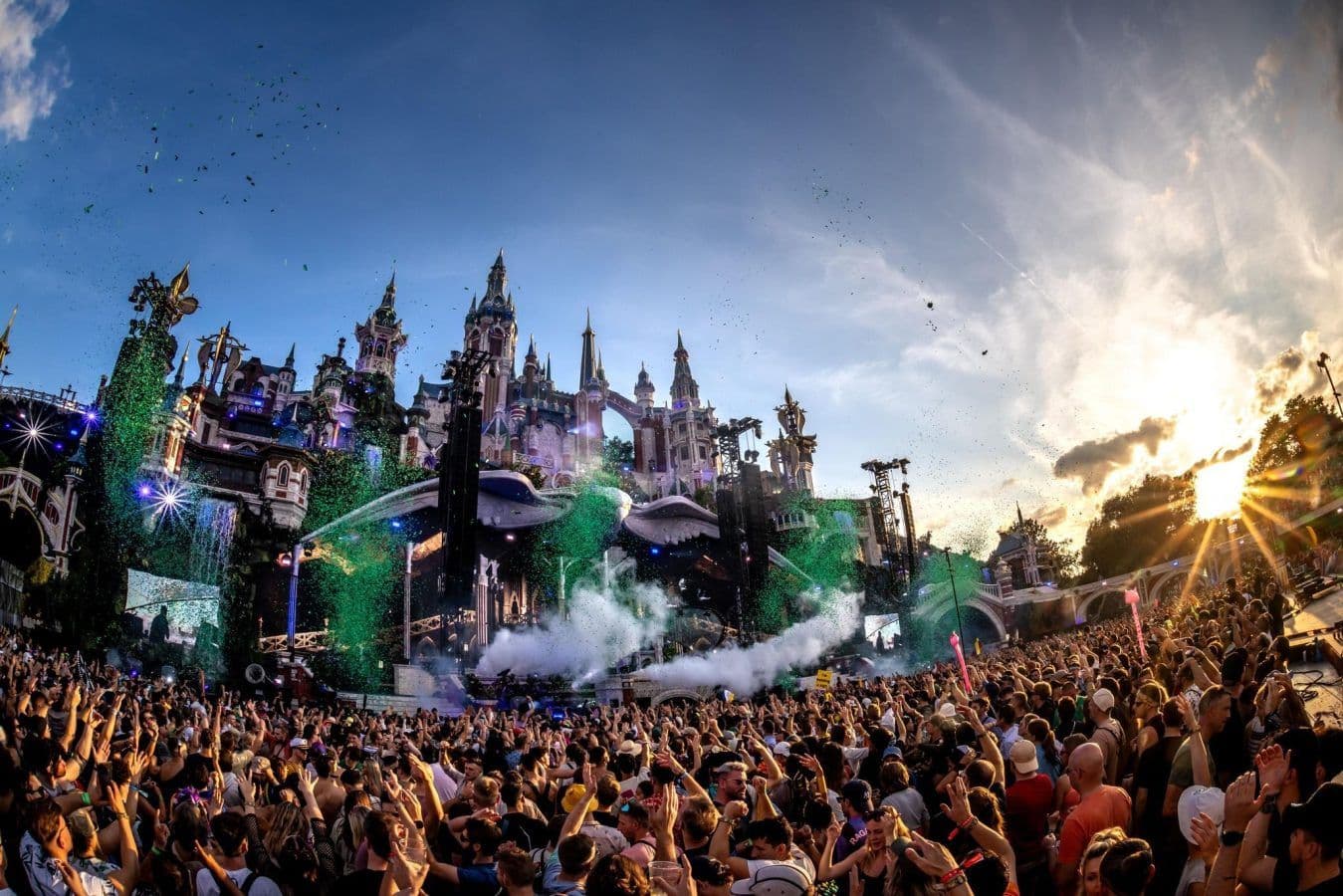
Yesterday, July 3, 2026, the iconic publication DJ Mag once again crowned Tomorrowland as the best festival in the world for the sixth consecutive year. It is undeniable that the Belgian super-production is an undisputed titan of contemporary entertainment, a masterpiece of visual and sound engineering that constantly defies the limits of imagination. However, while confetti falls on hundreds of thousands of ecstatic attendees in front of the main stage, in the trenches of the most purist electronic scene, there is an air of deep concern that neither fireworks nor awards can dispel. From this platform, we observe how we find ourselves at a historical crossroads where the cost of euphoria seems to have lost touch with the economic reality of the majority. An unavoidable and urgent debate has opened regarding the accessibility of our culture, questioning whether macro-events have ceased to be community celebrations to transform into runways of exclusivity.
The unavoidable bill of the electronic utopia
If we coldly analyze the figures, the outlook is as revealing as it is overwhelming. The coveted Full Madness pass for Tomorrowland has climbed to 327 euros in its pre-sale phase, easily exceeding the 400-euro barrier in its global commercialization. We are talking about an increase of around 45% in the last decade, a fact that invites deep reflection. From the perspective of promoters and large production companies, this price increase is not a mere corporate whim, but a mathematical consequence of what has been dubbed 'gigflation'. Defenders of the current model argue, with strong reasons, that accumulated global inflation has skyrocketed operating costs. Strict sustainability regulations required by law, increasing taxes on camping services, and astronomical budgets allocated to security infrastructure and high-end immersive sound require a drastic adjustment in rates. To this equation, we must add the exorbitant economic demands of superstar DJs, whose exclusivity clauses and inflated fees force organizers to multiply budgets to maintain lineups that are competitive in the fierce international circuit.
The paradox of a gentrified dance floor
However, those of us who have grown up embracing the original and rebellious spirit of dance music feel that this macroeconomic model is irremediably fracturing the essence of our community. Electronic music was born on the margins of society; it germinated in abandoned industrial warehouses and dark clubs in cities like Chicago, Detroit, and Berlin, standing as a safe and inclusive refuge for minorities, dissidents, and the working class. Today, we observe with manifest concern an evident gentrification of the dance floors. By turning massive festivals into luxury items, reserved almost exclusively for high-purchasing-power tourism, we run the enormous risk of alienating the youth and local talent that has historically nurtured, protected, and revitalized these spaces. Authorized resale platforms, with their dynamic pricing and management fees that border on abusive, only aggravate this painful feeling that access to club culture has metamorphosed, going from being a cultural right to a class privilege, where the thickness of the wallet dictates who can be part of the ritual.
The horizon between the macro-event and the underground refuge
At this turning point, as analysts and lovers of the genre, we must seriously ask ourselves what kind of scene we want to bequeath to the next generations of clubbers. It is perfectly understandable that a show of pharaonic proportions requires colossal funding to exist, but electronic music cannot and must not renounce its fundamental democratic vocation. Perhaps we are witnessing a definitive and irreversible bifurcation in the music industry: on one hand, the consolidation of the macro-festival circuit as luxury vacation experiences for global elites; on the other, the unavoidable and necessary resurgence of the local club scene, supported by independent promoters and boutique festivals with limited capacity. We firmly believe that the true heartbeat of techno, house, and their more experimental branches will survive and flourish in those spaces where musical quality and human connection take precedence over pyrotechnics and marketing. The greatness of an event should not be measured solely by the spectacular international awards it accumulates in its display cases, but by its unwavering ability to keep its doors open to those who truly feel, breathe, and build this culture day after day, regardless of their social stratum.