
Club
Tresor
Berlin, State of Berlin, Germany
Biography of Tresor
The Birth of a Cultural Icon
Tresor Berlin is indisputably one of the most legendary and influential electronic music clubs in history, considered the true cradle of the techno movement in Europe. Its original opening took place in March 1991, shortly after the historic fall of the Berlin Wall. A group led by Dimitri Hegemann discovered the former vault of the Wertheim department store, located on Leipziger Strasse. That dark industrial basement, abandoned in the former border strip, immediately became a space of absolute freedom, where young people from the East and West danced together without borders or prejudices, united by a new musical revolution.
The Historic Alliance between Berlin and Detroit
A fundamental milestone in the venue's history was its deep and unwavering connection to the Detroit music scene. North American pioneers such as Jeff Mills, Juan Atkins, Blake Baxter, and the Underground Resistance collective crossed the Atlantic to find in this relentless Berlin basement the perfect stage for their fast, mechanical rhythms. This transatlantic alliance not only defined the club's characteristic raw and powerful sound but also gave rise to its own record label: Tresor Records. Through this platform, the institution catapulted the careers of countless artists, laying the aesthetic foundations of contemporary techno globally.
Closure, Exile, and a New Era at Kraftwerk
After fourteen years of relentless activity and legendary parties that marked an entire generation, the original space had to close its doors in 2005 due to the redevelopment of the city center. After a period of uncertainty and itinerant events, in May 2007, the institution resurfaced and was reborn in its current location: the colossal abandoned thermal power plant of Kraftwerk Berlin, located on Köpenicker Strasse. This gigantic, labyrinthine concrete building proved to be the ideal home to preserve the oppressive, industrial, and purely underground atmosphere that always characterized the brand over the years.
Current Infrastructure and Musical Philosophy
In its new headquarters, the gigantic industrial complex offers several sonic personalities for the thousands of attendees who come every weekend. The Tresor Floor is located in the basement, accessed by a long corridor, and is a faithful recreation of the old vault: a dense space, full of smoke and strobe lights, where industrial rhythms strike mercilessly. On the other hand, the upper floor houses the Globus room, with a proposal oriented towards house and groove, powered by a spectacular sound system from the brand Lambda Labs. The institution values a genuine passion for music above any other factor, keeping the flame of electronic resistance alive and maintaining its zero-tolerance policy towards intolerance.
How to get to Tresor
Köpenicker Str. 70, 10179 Berlín
Open in Google MapsU Heinrich-Heine-Straße
Metro/Subway/Underground (U-Bahn) - depending on region, usually Metro or U-Bahn is preferred in Berlin context. I will use Metro as requested by glossary rules for consistency if applicable, but Metro is standard English translation for U-Bahn/Subway systems in this context. Let's stick to Metro as per instructions to translate 'type'. Wait, the glossary says 'type' should be translated. Metro is the translation for Metro. Let's use Metro for U-Bahn and Train for Tren. Wait, the prompt says 'Translate only · U8 · 3 min walk
U Heinrich-Heine-Straße
Bus · 165 / 265 / N8 / N60 / N65 · 2 min walk
S+U Jannowitzbrücke
Train · S3 / S5 / S7 / S9 · 8 min walk
Clubs related to Tresor

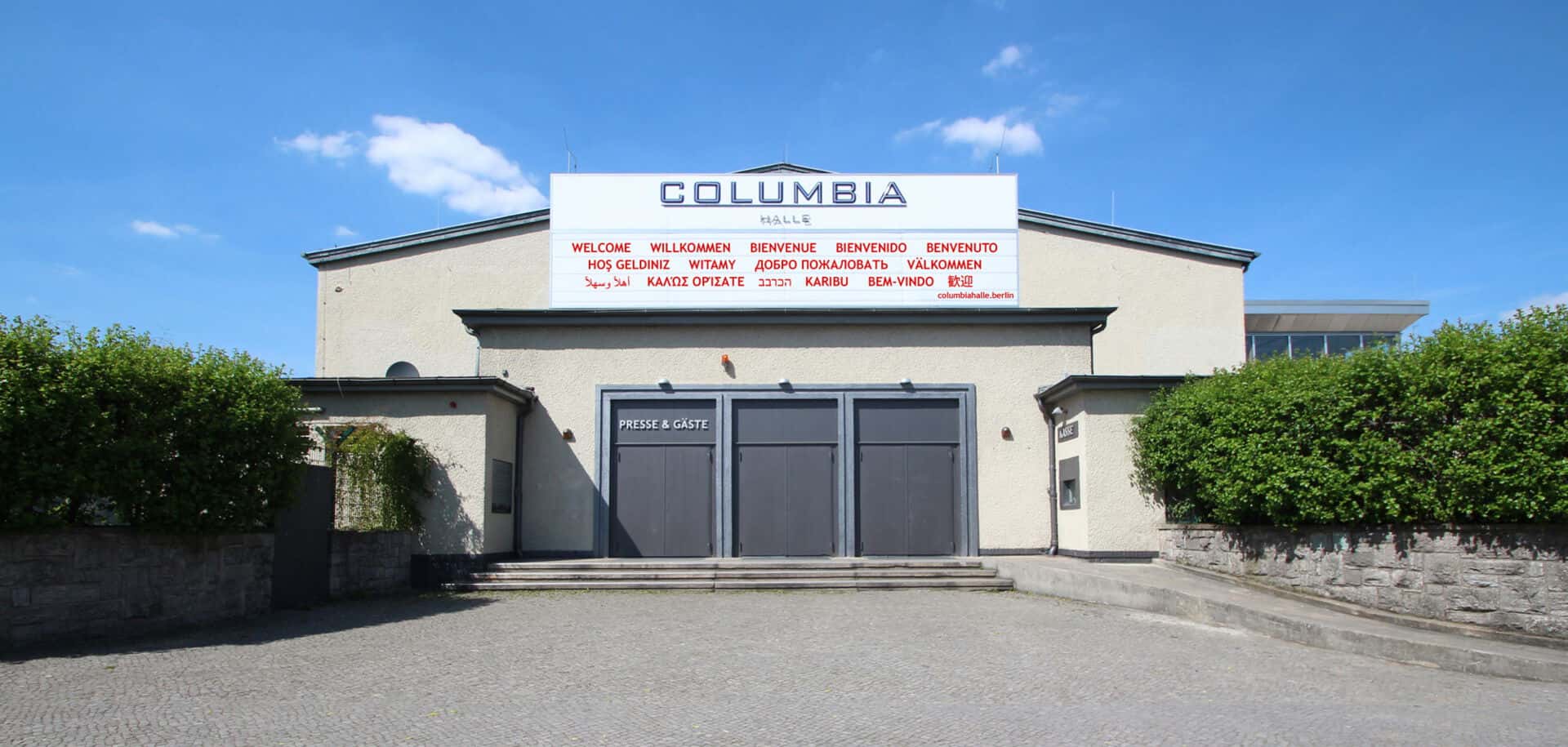
Tresor in the Magazine

Magazine· 11 Aug 2026
Discover a new techno festival: SILO
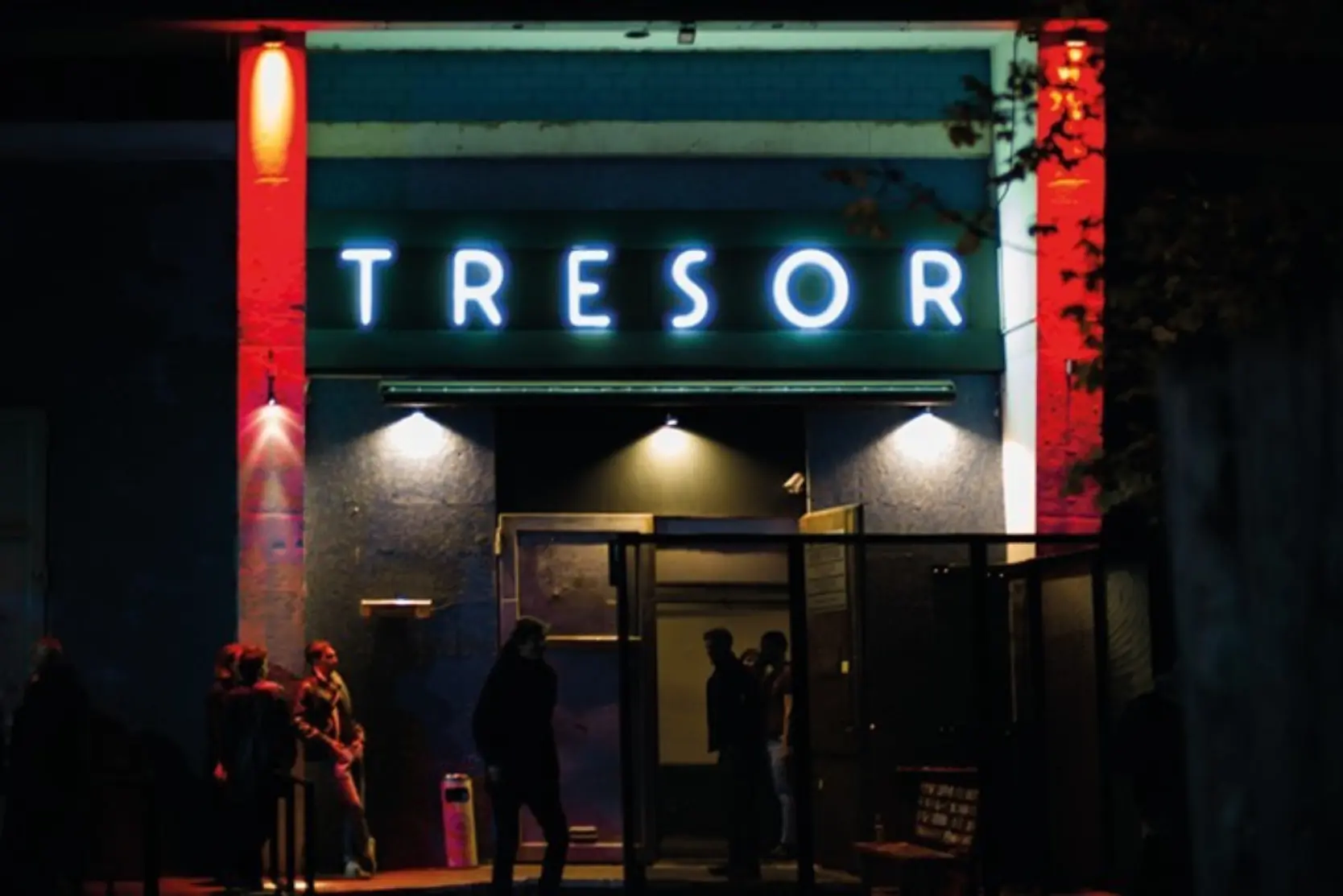
Magazine· 30 Jun 2026
Under Club conquers Tresor Berlin with Argentine talent

Magazine· 21 May 2026
Skrillex and Berlin Atonal present CONTRA at Kraftwerk
See moreSee less

TV· 6 Mar 2026
The Transformation of Club Culture: From Resident DJs to Touring Stars
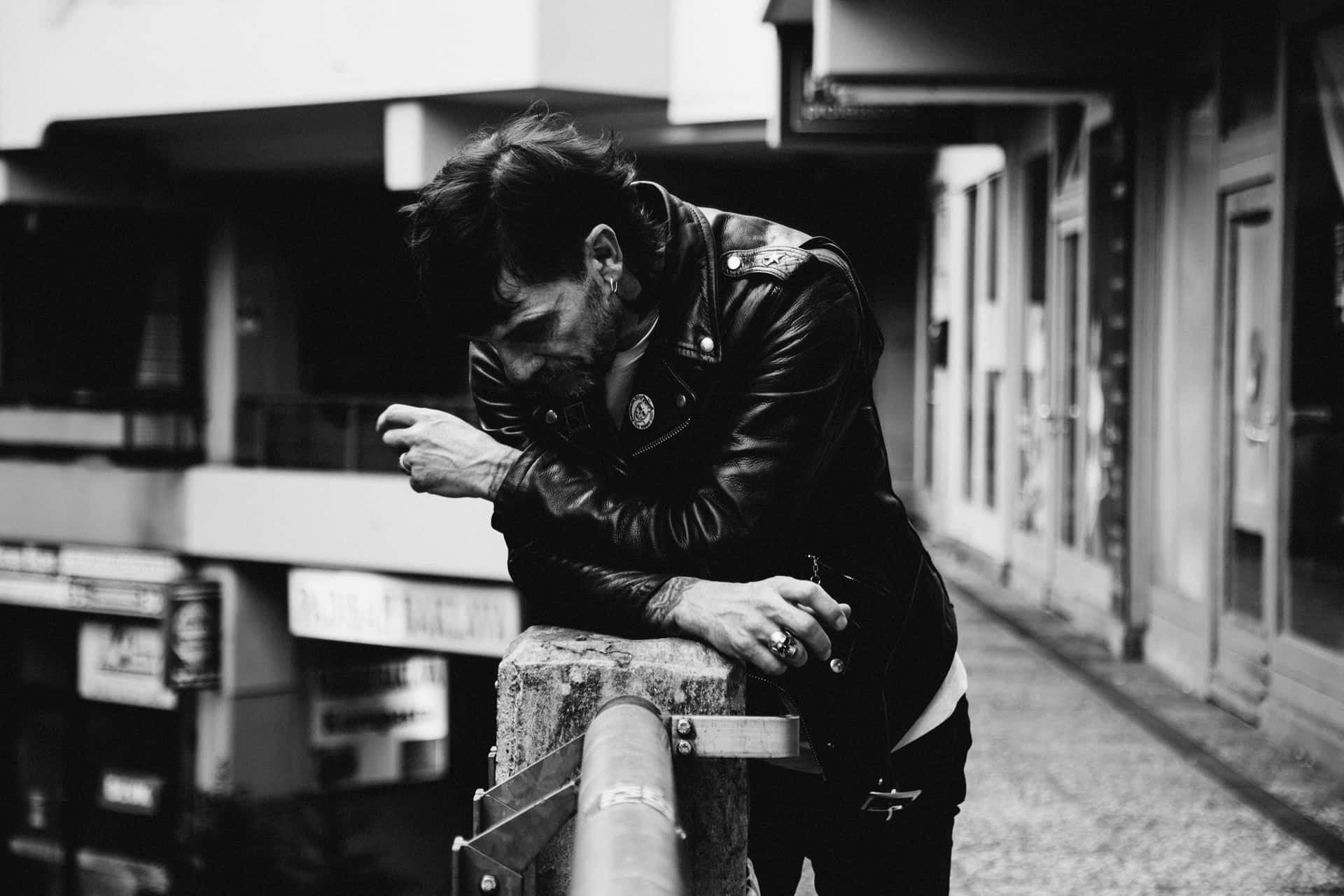
Magazine· 11 Feb 2026
The consecration of sonic brutalism: Oscar Mulero and the Gold Medal for cultural resistance

TV· 6 Jan 2026
The History of Tresor: The Underground Vault That Defined Techno in Berlin
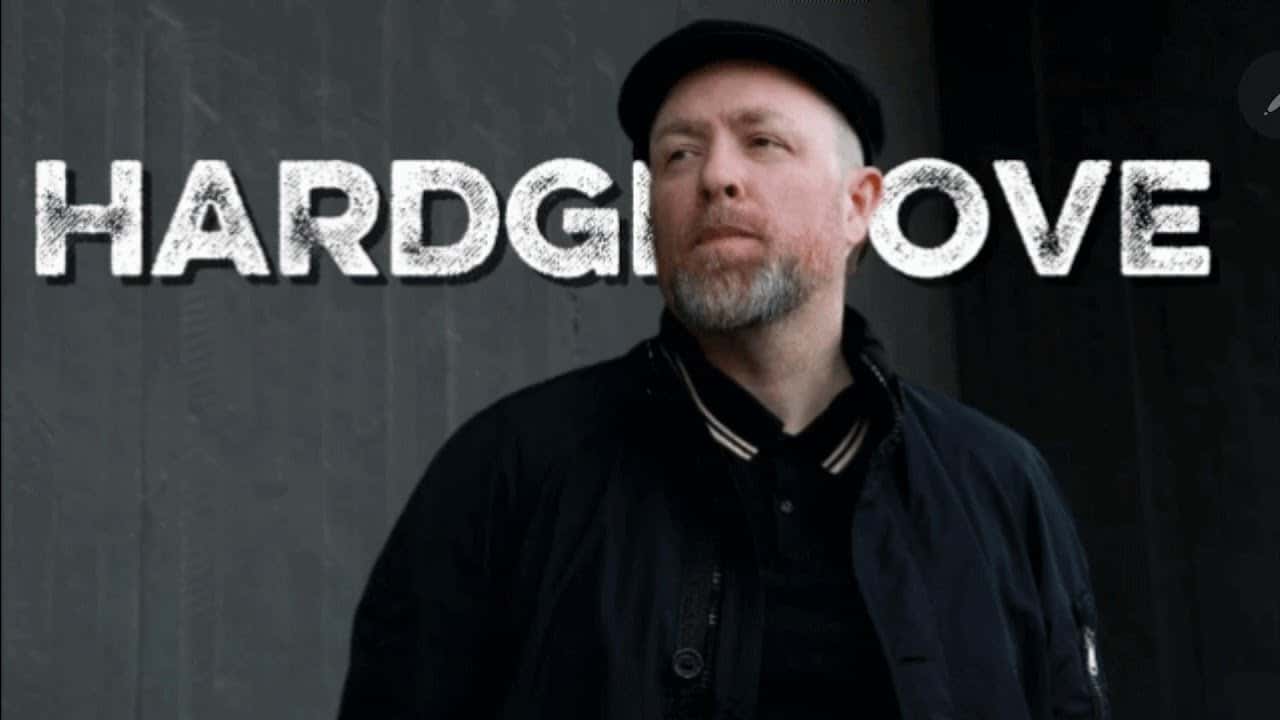
TV· 13 Dec 2025
The Rebirth of Hardgroove: History, Evolution and the Best Techno DJs

TV· 14 Nov 2025
The DJs with the Most Sets at Berghain: Techno Legends
Magazine· 11 Aug 2026
Discover a new techno festival: SILO
Magazine· 30 Jun 2026
Under Club conquers Tresor Berlin with Argentine talent
Magazine· 21 May 2026
Skrillex and Berlin Atonal present CONTRA at Kraftwerk
TV· 6 Mar 2026
The Transformation of Club Culture: From Resident DJs to Touring Stars
Magazine· 11 Feb 2026
The consecration of sonic brutalism: Oscar Mulero and the Gold Medal for cultural resistance
TV· 6 Jan 2026
The History of Tresor: The Underground Vault That Defined Techno in Berlin
TV· 13 Dec 2025
The Rebirth of Hardgroove: History, Evolution and the Best Techno DJs
TV· 14 Nov 2025
The DJs with the Most Sets at Berghain: Techno Legends