

Club
Watergate
Berlin, State of Berlin, Germany
Biography of Watergate
Neon over the Spree
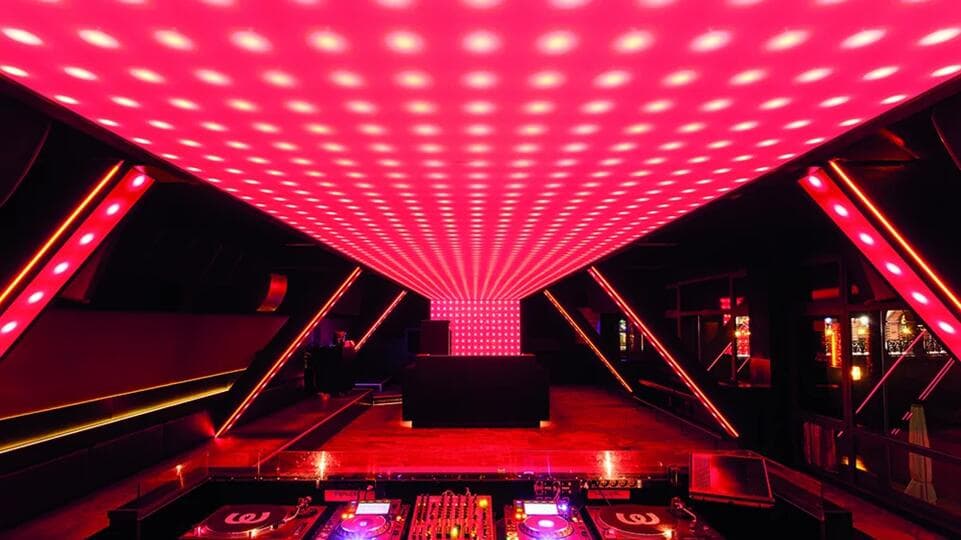
The line of light crossing the ceiling of the upper floor and the direct view of the Spree made Watergate an anomaly within Berlin clubbing: less industrial ruin than other temples in the city, more visual precision, glass, and proximity to the river. The club opened on October 26, 2002, at Falckensteinstraße 49, next to the Oberbaumbrücke, driven by Ulrich Wombacher, Steffen Hack, and Niklas Eichstädt. Its arrival coincided with a period when Kreuzberg still retained an urban friction very different from the international postcard of today's Berlin nightlife.
Glass, two floors, and a floating terrace
The physical space was key to its identity. Watergate occupied two levels: the Main Floor, on the upper level, with the famous 12-meter LED ceiling designed by Room Division, and the Water Floor, on the lower level, connected to a terrace over the river that opened during specific seasons. The panoramic windows allowed you to see the bridge, the riverbank, and the city skyline while the dance floor kept moving. That contrast between a dark room, black surfaces, futuristic lighting, and the aquatic exterior made the club one of the most recognizable images of European club culture.
From drum and bass to global house
The first stage had a significant weight of drum and bass, with connections to Hard:Edged and nights where reggae, hip hop, and R&B also appeared. Consolidation came when the club focused its programming on house, deep house, and techno, with a more polished and melodic line than the harsher Berlin spaces. Watergate was decisive for careers and scenes linked to Dixon, Anja Schneider, Solomun, Diynamic, Ellen Allien, Ricardo Villalobos, Sven Väth, Richie Hawtin, Kerri Chandler, or Charlotte de Witte. In 2008, it launched Watergate Records, a label and mix series that extended the club's musical personality beyond its physical room.
A farewell that altered the Berlin map
In 2015, the RISE collective turned Watergate into an important home for afro house and afro tech within Berlin, expanding an identity that was never reduced to a single reading of techno. The venue's closure came after the last New Year's Eve party in 2024, in a context marked by high rents, rising costs, and changes in nightlife habits. The Watergate brand and its label remain active in other formats, but the physical Berlin venue no longer operates as a club. Its legacy remains in the way it combined design, the river, international programming, and a DJ booth capable of connecting the local scene with the global circuit.
How to get to Watergate
Falckensteinstraße 49, 10997 Berlin, Alemania
Open in Google MapsFalckensteinstr.
Bus · 165, 265, N60, N65 · 2 min walk
U Schlesisches Tor
U-Bahn · U1, U3 · 4 min walk
Oberbaumbrücke
Bus · 347, N1 · 4 min walk
S+U Warschauer Str.
U-Bahn · U1, U3 · 7 min walk
S+U Warschauer Str.
S-Bahn · S3, S5, S7, S75, S9 · 10 min walk
Clubs related to Watergate

Watergate in the Magazine
Magazine· 5 Aug 2026
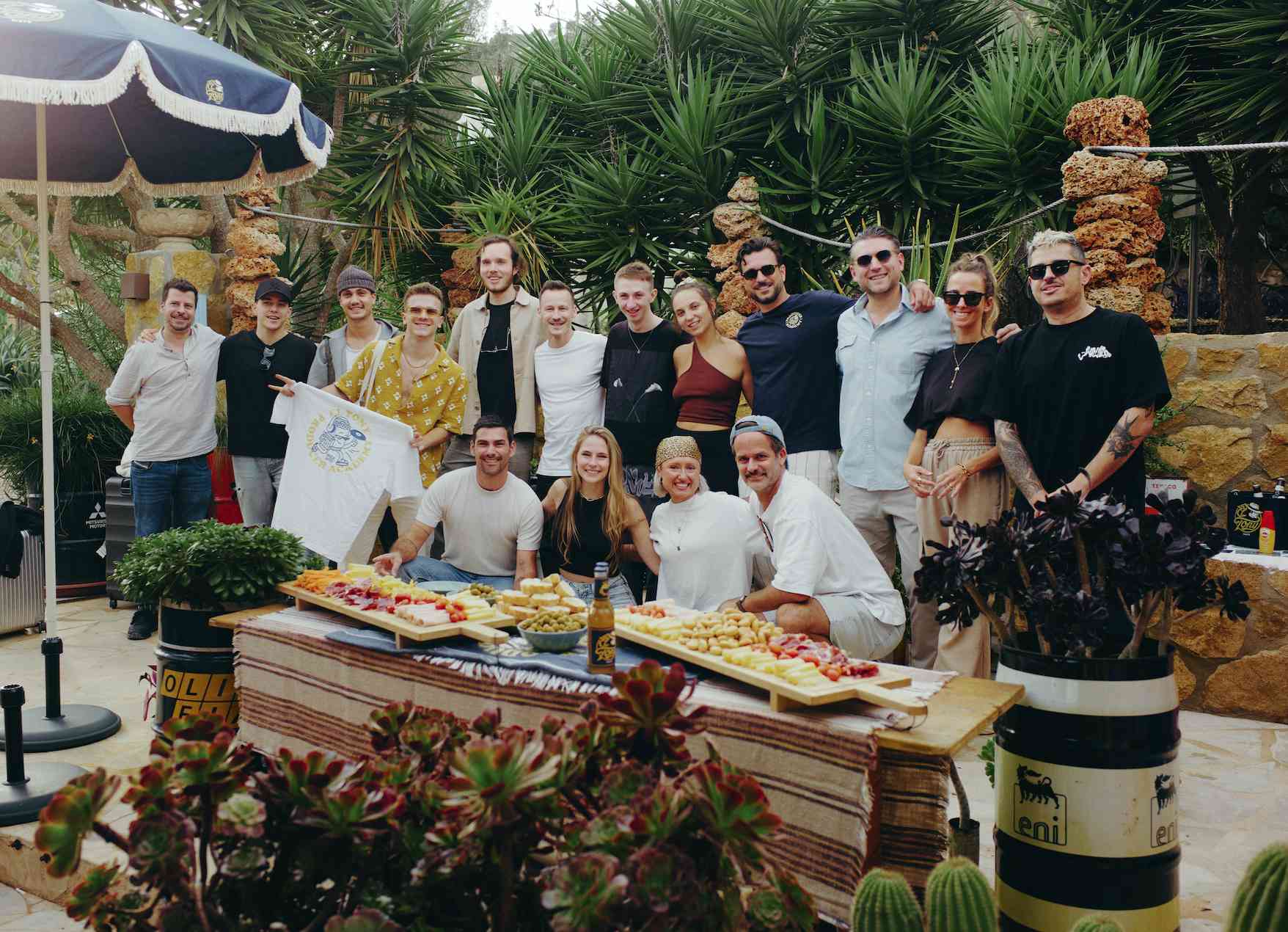
El Tony Mate brings back its Producer Academy in Ibiza

Magazine· 27 Jul 2026
Nico Stojan, techno and house icon in Berlin, passes away
Magazine· 21 Jul 2026
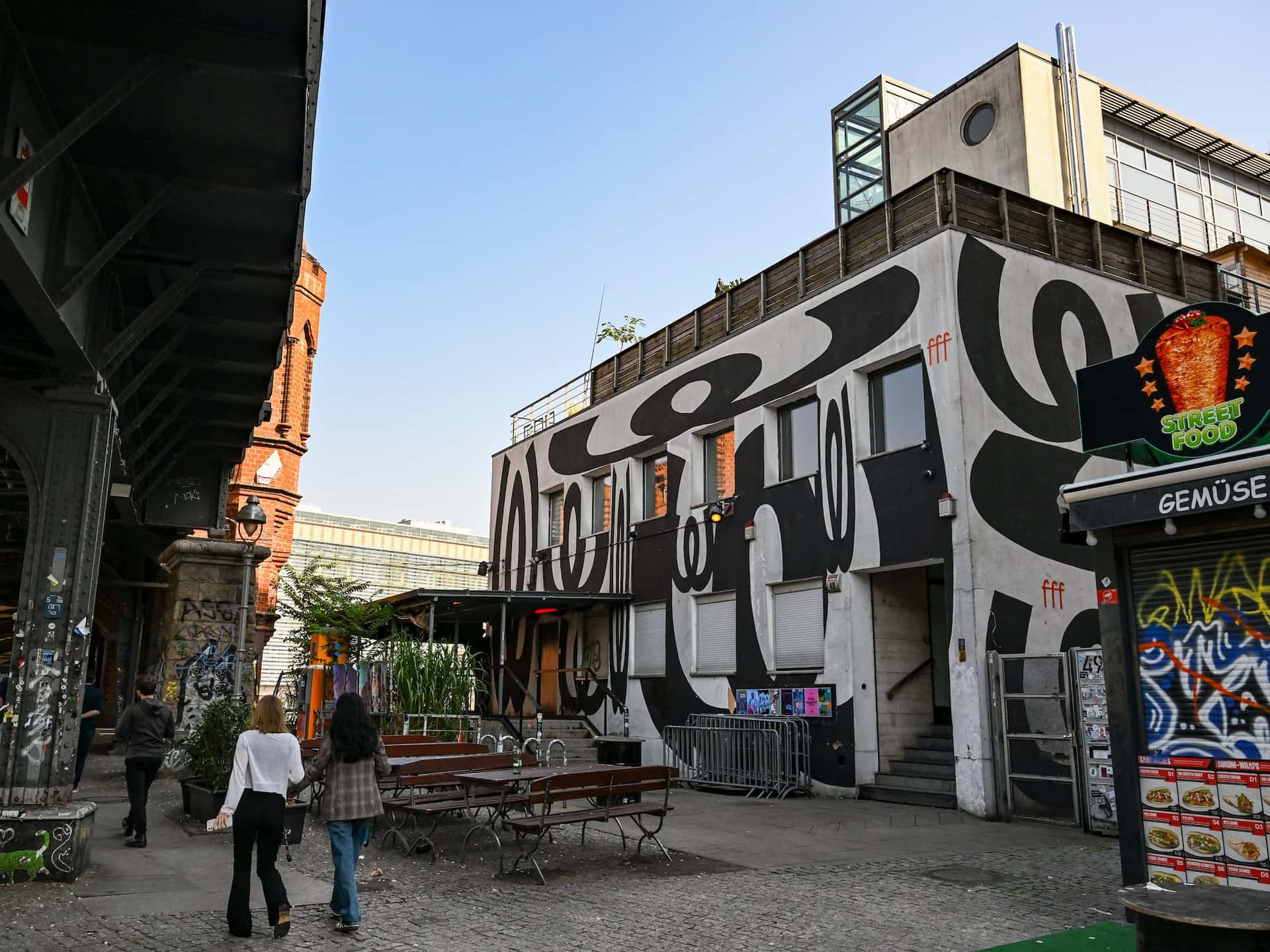
The twilight of nightclubs and the future of club culture
See moreSee less
Magazine· 5 Aug 2026
El Tony Mate brings back its Producer Academy in Ibiza
Magazine· 27 Jul 2026
Nico Stojan, techno and house icon in Berlin, passes away
Magazine· 21 Jul 2026
The twilight of nightclubs and the future of club culture

Magazine· 3 Jun 2026
Germany elevates clubs to official cultural venues

TV· 6 Jan 2026
The History of Tresor: The Underground Vault That Defined Techno in Berlin

TV· 14 Nov 2025
The DJs with the Most Sets at Berghain: Techno Legends