

Biography of Thomas Bangalter
From house filter to large-scale language
Few trajectories have united club euphoria, pop engineering, and scenic composition with as much precision as that of Thomas Bangalter. Formed in the Paris that turned filtered house into a global school, his name has been linked since the nineties to a physical, melodic, and extremely meticulous electronic sound: funk and disco grooves, aggressive compression, vocoders, elastic basslines, and a studio vision that treated the dance floor as a cinematic space.
Roulé, Stardust, and the Daft Punk machine
Before the robotic iconography, Bangalter went through Darlin’ and founded Daft Punk alongside Guy-Manuel de Homem-Christo, a project that transformed French house into international pop grammar. With Homework and Discovery, the duo took the rawness of clubs, science fiction, and sample culture to a massive scale; later, Random Access Memories reinterpreted disco music and studio pop with an almost archaeological ambition. In parallel, he created the label Roulé, from which he released his EPs Trax on da Rocks and articulated an aesthetic of brilliant loops and punchy percussion. His participation in Stardust left one of the great dance music anthems, Music Sounds Better With You, while Together, alongside DJ Falcon, expanded that vein with the drive of So Much Love to Give.
Cinema, ballet, and measured returns to the booth
Following the official split of Daft Punk in 2021, Bangalter avoided simple nostalgic continuity and shifted his writing toward larger-scale formats. Mythologies, conceived for Angelin Preljocaj’s ballet and recorded with the Orchestre National Bordeaux Aquitaine under the direction of Romain Dumas, opened a phase marked by the orchestra, ballet, and a more acoustic relationship with musical time. Then came the soundtrack for Daaaaaalí! for Quentin Dupieux and CHIROPTERA, a score created with JR and Damien Jalet for a monumental intervention in front of the Paris Opera, also published in an extensive version of raw sonic material. In 2026, Mirage - Ballet for 16 Dancers expanded that choreographic line from another scenic angle.
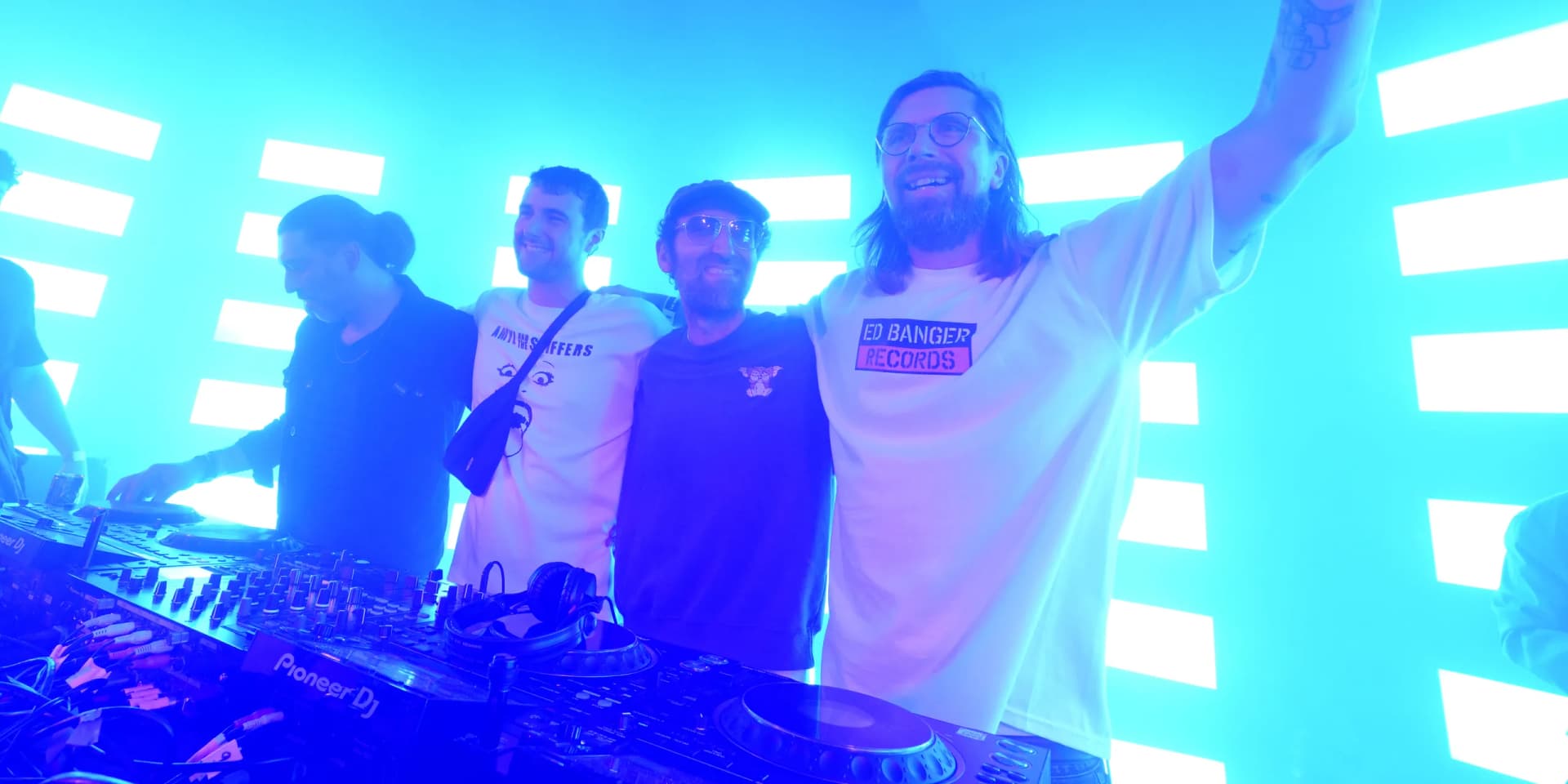
In recent years, his activity has combined composition, production, and very measured appearances. He produced Sons of Raphael on music linked to Étoile, collaborated with Orelsan on Yoroï, and returned to face a club audience with a shared set at the Centre Pompidou alongside Fred again.., Erol Alkan, and Pedro Winter, followed by a session with Fred again.. at Alexandra Palace. That reappearance does not dilute his recent phase: it confirms a singular position, between the memory of Daft Punk, scenic research, and an electronic sound that continues to understand sound as architecture, mask, and collective emotion.
DJs related to Thomas Bangalter



Thomas Bangalter in the Magazine
Magazine· 7 Aug 2026
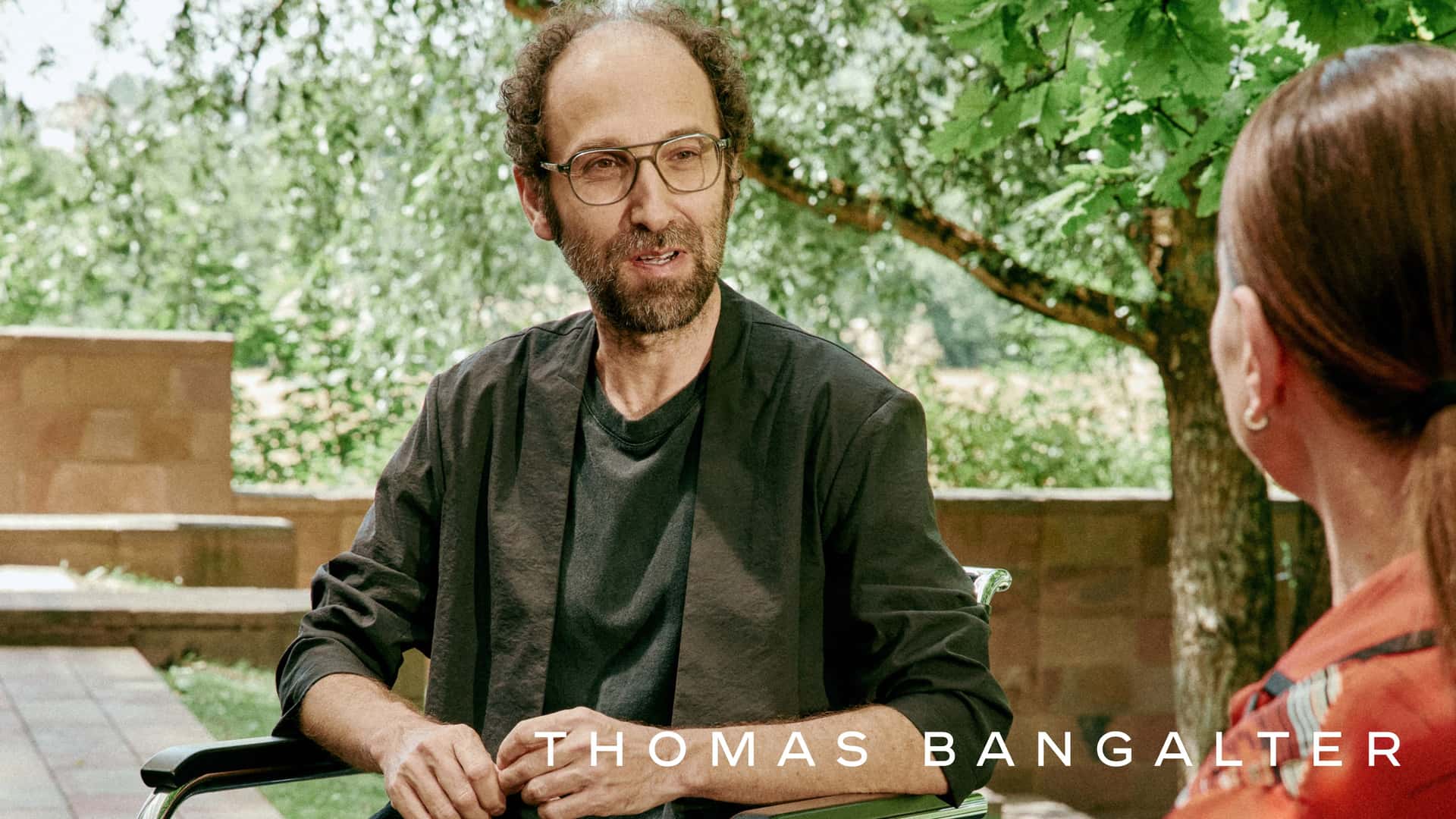
Thomas Bangalter and his firm rejection of musical AI

Magazine· 27 Jul 2026
Thomas Bangalter: Creating the TRON score was depressing
Magazine· 16 Jul 2026
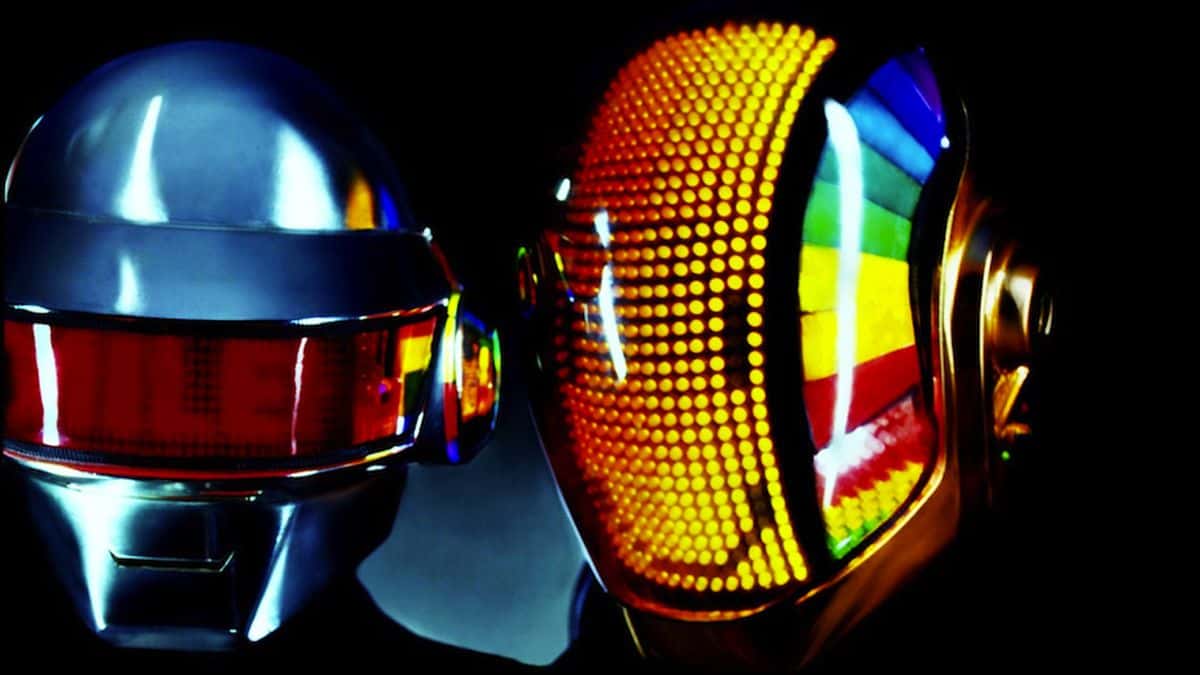
Daft Punk reveals unpublished sketches of their 2005 helmets
See moreSee less
Magazine· 22 Jun 2026
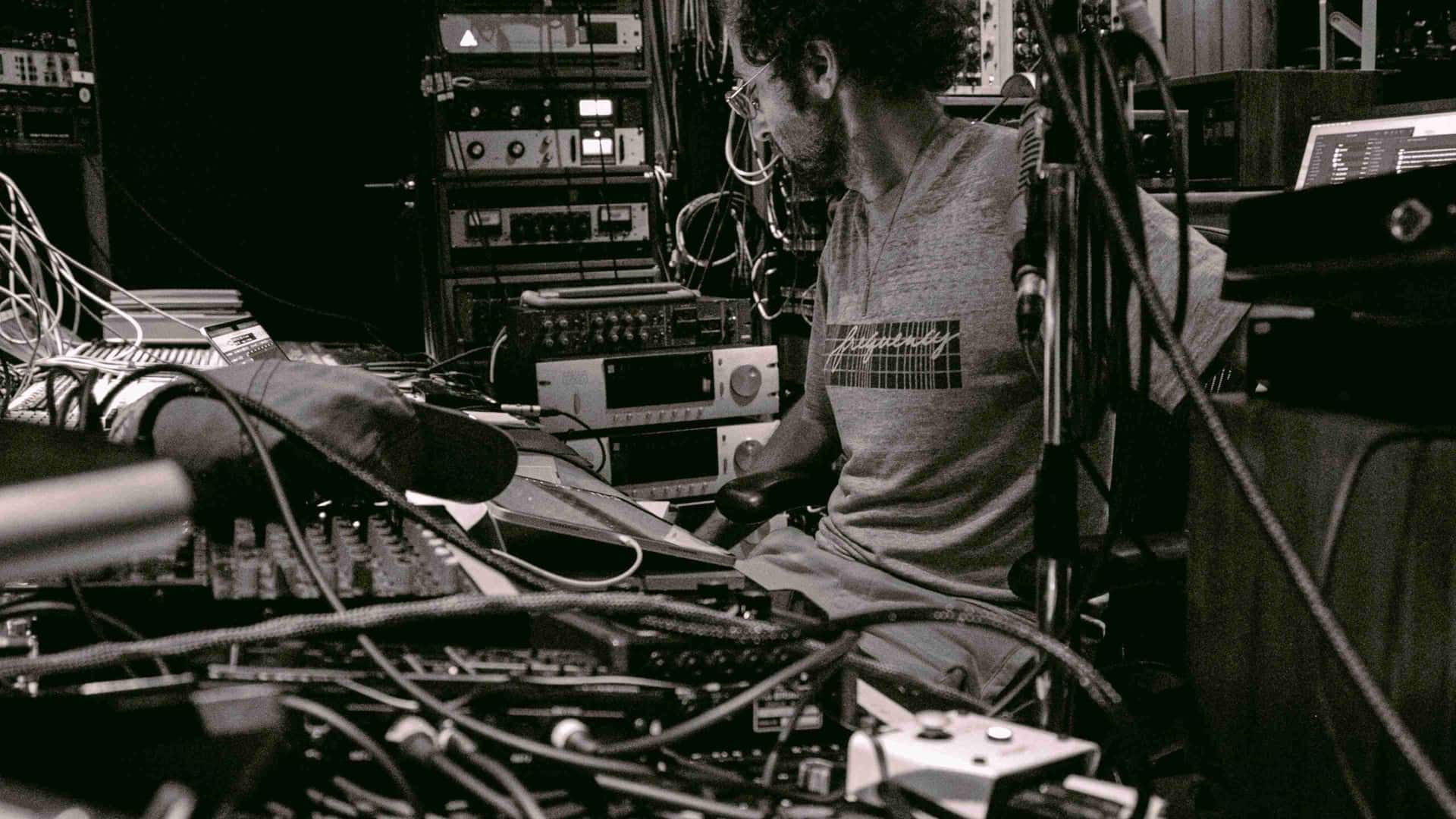
Thomas Bangalter dazzles with analog set at Art Basel
Magazine· 19 Jun 2026
Daft Punk: The Official Anthem of France at the 2026 World Cup
Magazine· 12 Jun 2026
Martin Garrix confirms new album for late 2026
Magazine· 11 Jun 2026
Thomas Bangalter premieres Mirage: his new ballet album
Magazine· 11 Jun 2026
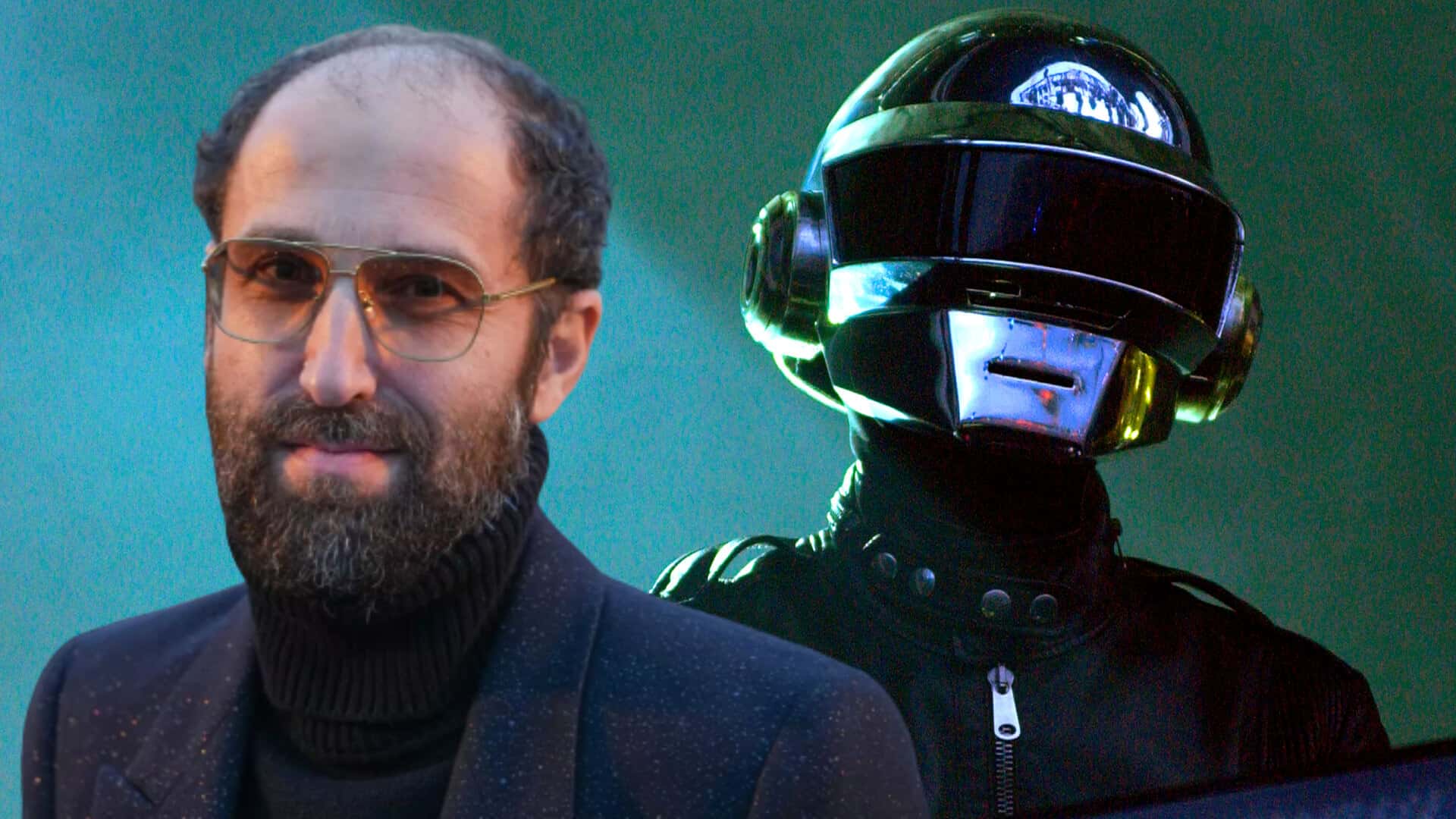
Thomas Bangalter surprises at The Lot Radio with a set
Magazine· 7 Aug 2026
Thomas Bangalter and his firm rejection of musical AI
Magazine· 27 Jul 2026
Thomas Bangalter: Creating the TRON score was depressing
Magazine· 16 Jul 2026
Daft Punk reveals unpublished sketches of their 2005 helmets
Magazine· 22 Jun 2026
Thomas Bangalter dazzles with analog set at Art Basel
Magazine· 19 Jun 2026
Daft Punk: The Official Anthem of France at the 2026 World Cup
Magazine· 12 Jun 2026
Martin Garrix confirms new album for late 2026
Magazine· 11 Jun 2026
Thomas Bangalter premieres Mirage: his new ballet album
Magazine· 11 Jun 2026
Thomas Bangalter surprises at The Lot Radio with a set