
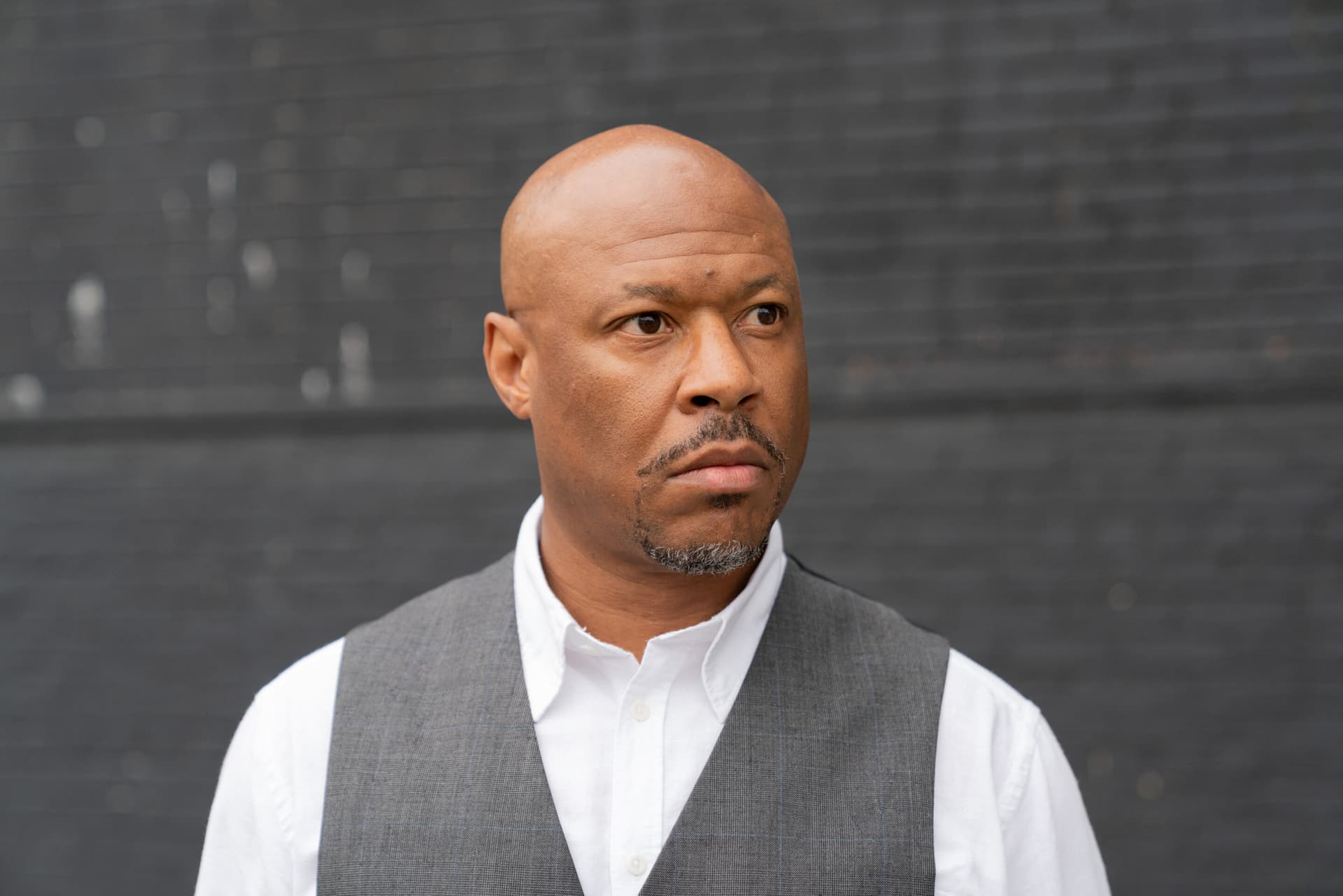
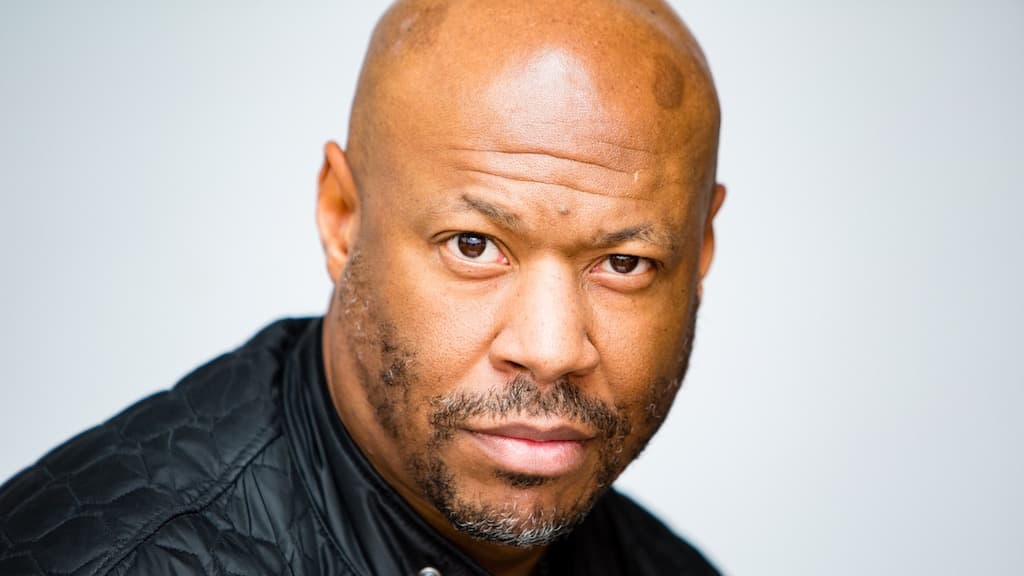
Biography of Robert Hood
The science of reduced movement
Robert Hood turned Detroit techno into an architecture of precision: dry rhythms, tense loops, functional basslines, and a radical idea of minimalism where every element must justify its presence. His name became linked to the second wave of Detroit through his participation in Underground Resistance alongside Mad Mike Banks and Jeff Mills, a period during which he helped establish a militant, futuristic, and communal vision of techno. After leaving the collective in the early nineties, he focused that energy into a language of his own, more stripped-back and direct, which led to essential pieces like Minimal Nation and Internal Empire, both released in 1994 and turned into fundamental references for understanding minimal techno.
M-Plant, a factory of naked pulse
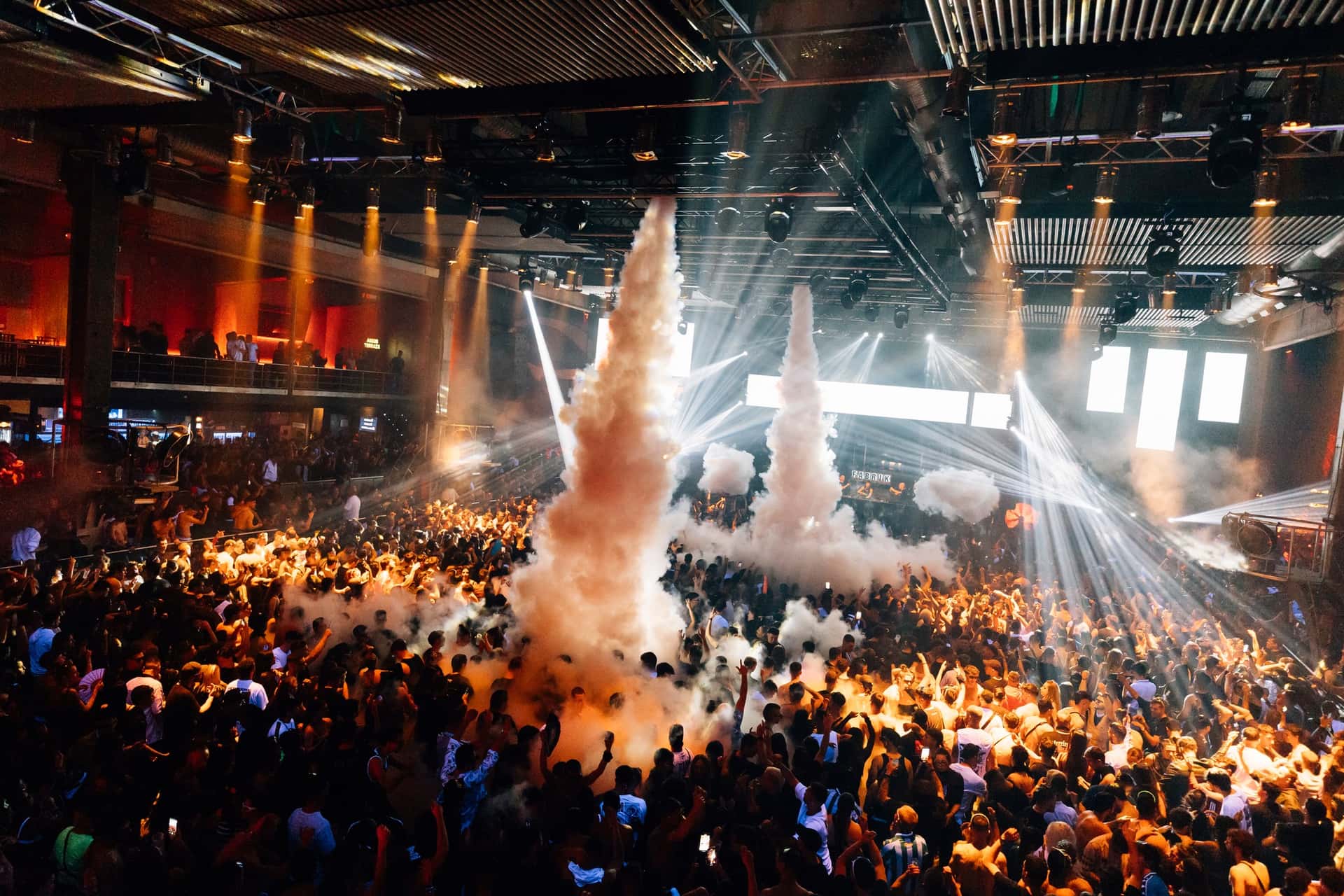
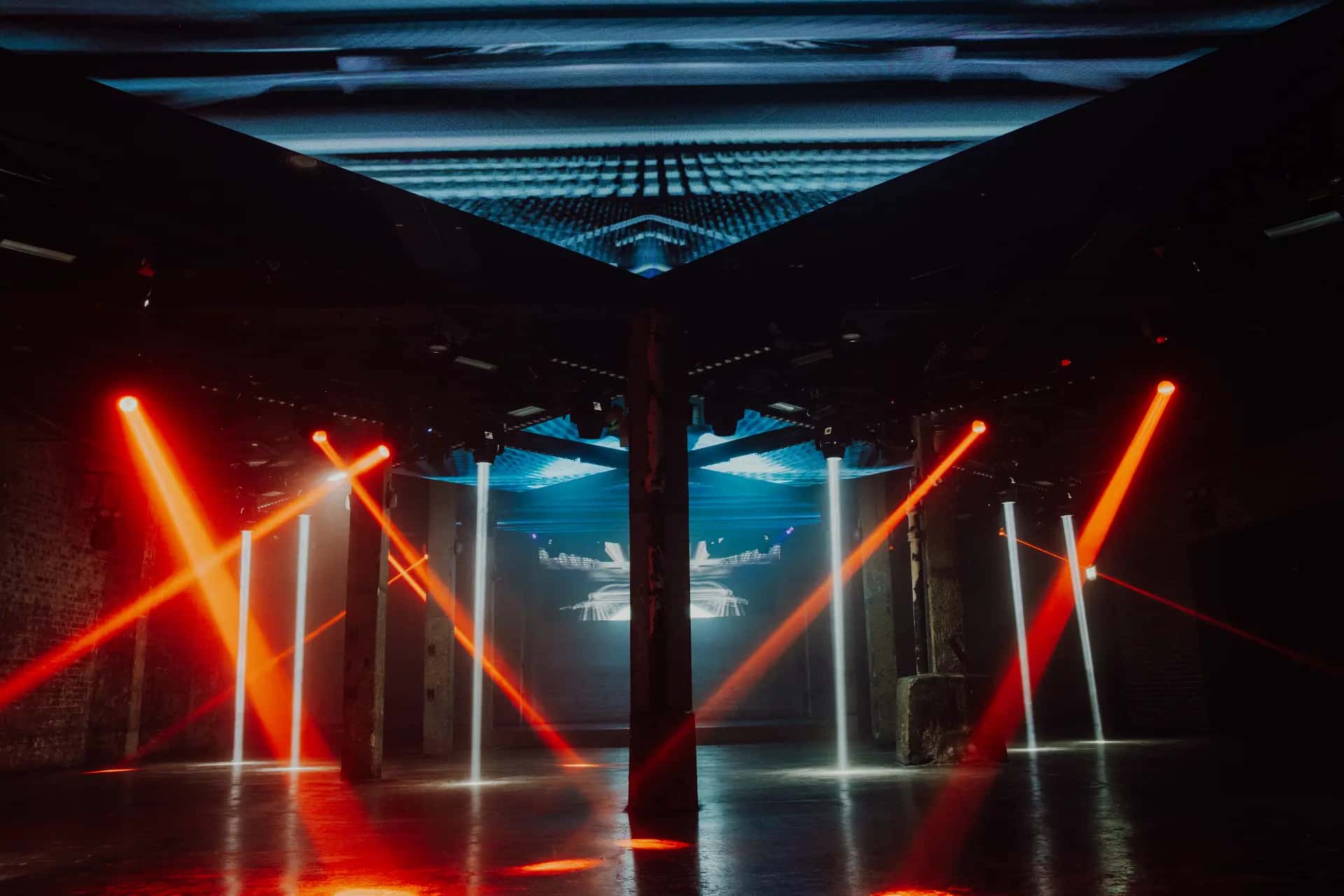
Around his label M-Plant, founded in Detroit in 1994, Hood developed a discography marked by economy of means and the physical pressure of the dancefloor. The Nighttime World series, the albums Omega, Motor: Nighttime World 3, Paradygm Shift, and Mirror Man, as well as EPs like Hectic / Amazon Dust or Alpha Key, show a trajectory that is not limited to repeating a formula: his music can be dry and mechanical, but also spiritual, jazzy, industrial, or openly cinematic. As a DJ, his reputation has been sustained by sets of constant tension, with a reading of the groove that connects clubs like fabric and Tresor with international festivals and reference platforms.
Gospel, family, and other identities
The breadth of his work is especially clear in his aliases. Monobox accentuates his darker and more abstract side; The Vision documents a key phase of his early years; and Floorplan opened a luminous path where house, disco, and gospel intersect with techno. With the addition of his daughter Lyric Hood, Floorplan took on a family and choral dimension, visible in records like Paradise, Victorious, and Supernatural, where the dancefloor is also interpreted as a space for spiritual celebration. That vein coexists with his facet as an ordained minister, without breaking the rhythmic discipline that defines his production.
A benchmark that remains active
Far from remaining a historical figure, Hood maintains a constant presence on labels, in DJ booths, and in contemporary archives. His reissues have reinforced the influence of his classic catalog, while recent releases, collaborations like Variations with Femi Kuti, and new references on M-Plant demonstrate sustained activity. His place in electronic music does not depend solely on having helped formulate minimal techno: Robert Hood continues to show how a drum machine, a bassline, and a clear idea can contain soul, political tension, and a vision of the future.
Entities related to Robert Hood
Clubs where Robert Hood plays
DJs related to Robert Hood


Robert Hood in the Magazine

Magazine· 31 Aug 2026
Jeff Mills: How 'The Wizard' forged today's techno
Magazine· 10 Jul 2026
Aquasella 2026 achieves a historic early Sold Out

Magazine· 19 May 2026
Tunegirl debuts at Awakenings at 63 with techno
See moreSee less
Magazine· 31 Aug 2026
Jeff Mills: How 'The Wizard' forged today's techno
Magazine· 10 Jul 2026
Aquasella 2026 achieves a historic early Sold Out
Magazine· 19 May 2026
Tunegirl debuts at Awakenings at 63 with techno

TV· 6 Jan 2026
The History of Tresor: The Underground Vault That Defined Techno in Berlin

TV· 21 Nov 2025
History of Detroit Techno: Origins, Legends and the Evolution of the Motor City