

Play
Five Pioneers Who Redefined the Global Techno Sound

Laurent Garnier's trajectory symbolizes the rejection of stylistic labels in clubbing. Forged at The Haçienda in Manchester in the late eighties, the French artist brought an integrative vision where techno, house, electro, and jazz converge, consolidating the set as a sonic narrative aimed at emotionally connecting with the dancefloor.
In Spain, Óscar Mulero represents the technical and conceptual pillar of the club sound in Madrid. His time in booths like The Omen, New World, Overdrive, or Voltereta in the nineties forged a school characterized by surgical precision in mixing. His subsequent work at Pole Group and the Gold Medal of Merit in the Fine Arts consolidated his cultural legacy.
Helena Hauff embodies the defense of the analog format against digital homogenization. Linked to the Golden Pudel Club in Hamburg, her trajectory vindicates the search on vinyl and the forcefulness of electro and raw techno, demonstrating that authenticity in the booth resides in the selection criteria and manual dexterity regardless of virtual trends.
Ricardo Villalobos redefined minimal and microhouse at the beginning of the two thousands. His format of marathon sets, unpredictable percussive development, and free improvisation transformed European dancefloors alongside figures like Luciano and Marco Carola, proving that sonic tension can be sustained for hours through hypnotic and organic developments.
Richie Hawtin synthesized minimal techno through Plastikman and pushed the technological vanguard from Detroit. Through his M-nus platform and concepts like Contakt, he led the digital transition of the booth by integrating software and controllers, marking a turning point in the technical evolution of DJing at an international level.
Mentioned












Upcoming from mentions

Music On
Marco Carola
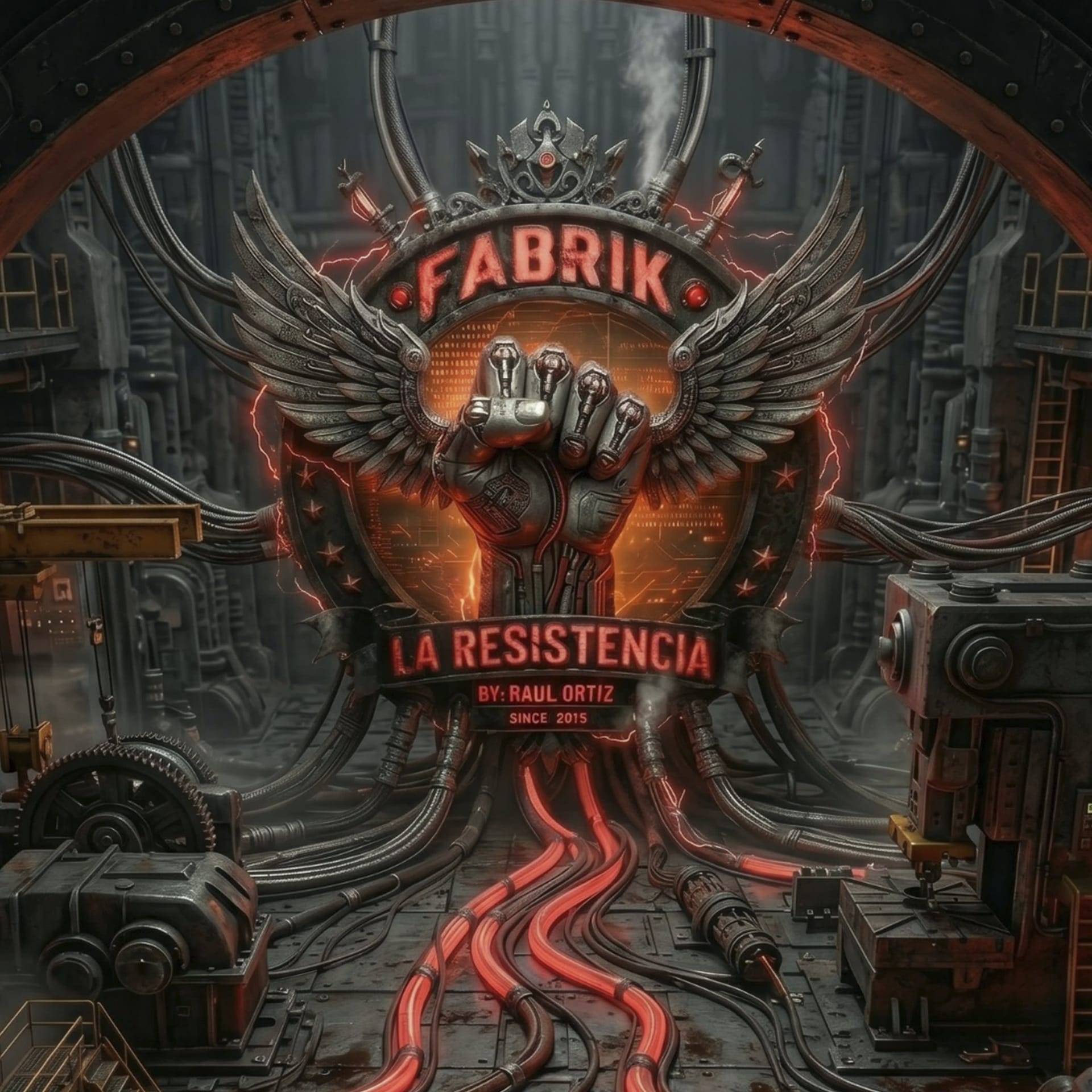
LA RESISTENCIA - Lethal industry
Raúl Ortiz / Cristian Varela / Buenri

Fantasm + invitados & Fiesto w/ Confidential Recipe
Fantasm
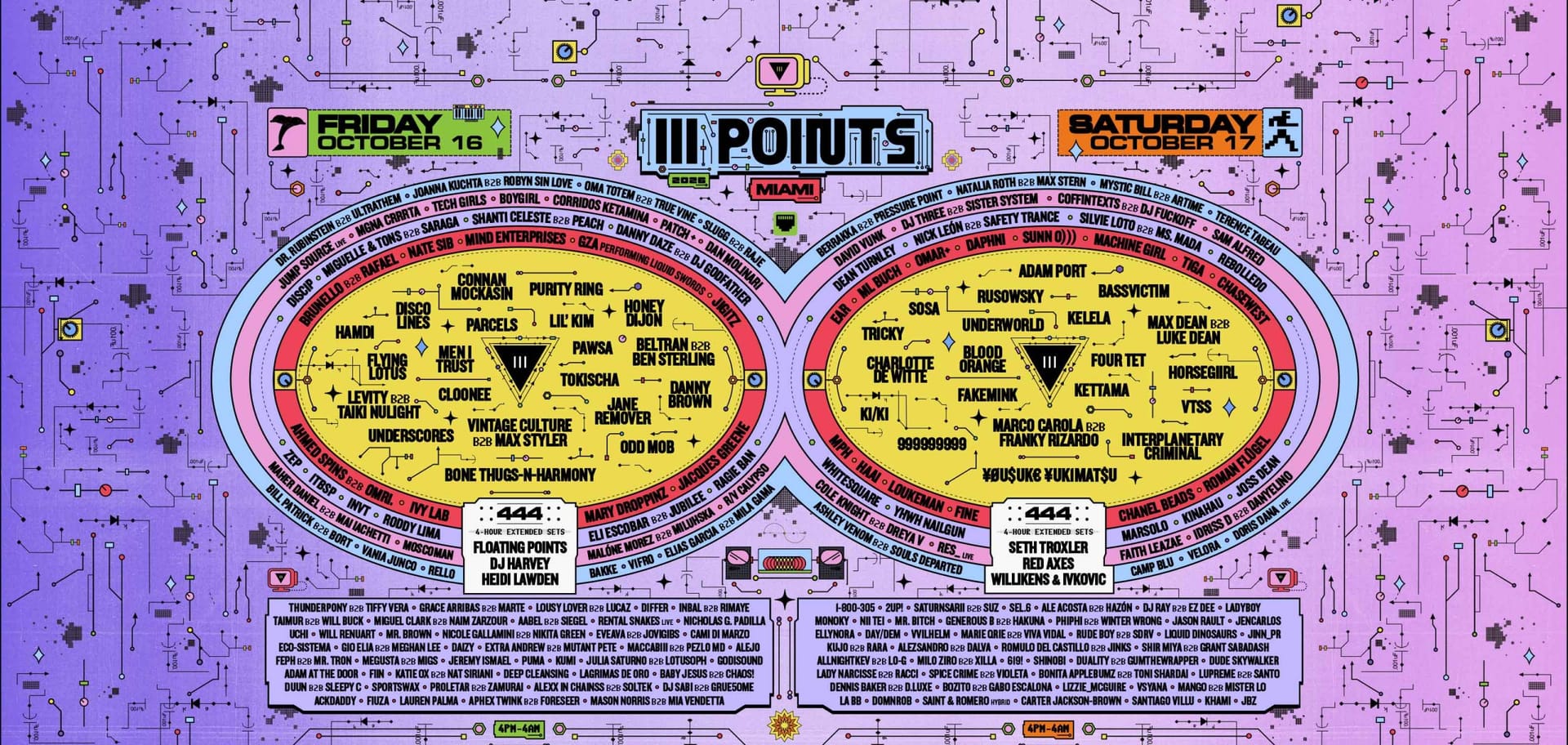
III Points 2026 - Sábado 17
1-800-lolita / XANA
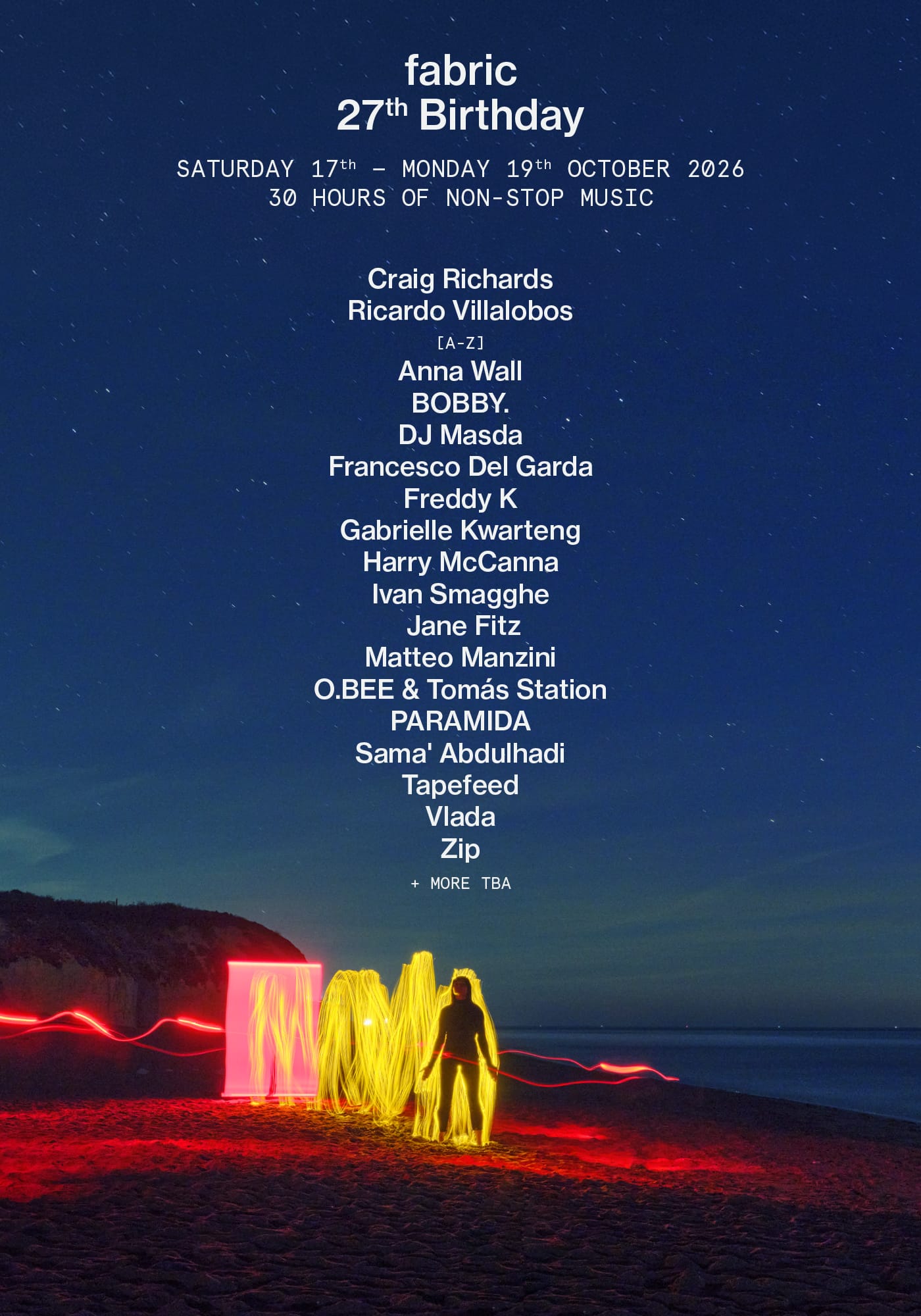
fabric 27th Birthday
Craig Richards / Ricardo Villalobos / Freddy K

WeTouchGrass presents: Anime Rave
Héctor Oaks / Jenny Greene / Kölsch
 11:41Tequila Thru
Andrew Weatherall: The Legacy of the DJ Who Challenged BPM
 69:26Tequila Thru
The Map of Electronic Music in Europe: Scenes and Clubs
 13:15Tequila Thru
What is Rominimal: Origin and Keys to Romanian Minimal House
 11:46Tequila Thru
Roots of Hard Techno: From EBM and Mákina to the Current Scene
 12:01Tequila Thru
Michael Bibi: Success, Struggle and the Rebirth of Solid Grooves
 12:52Tequila Thru
The Evolution of French House: From French Touch to Underground
 11:41Tequila Thru
The Transformation of Electronic Music Festivals
 11:22Tequila Thru
Vitalic: Trajectory, Identity and the Trap of his Success
 11:31Tequila Thru
Laurent Garnier and The Haçienda: The essence of electronic music
 11:17Tequila Thru
Goldie and Timeless: How Drum & Bass Became Art
 Explore channel
See every video from Tequila Thru