

Play
The Map of Electronic Music in Europe: Scenes and Clubs

The evolution of European electronic music is articulated through geographical hubs with a deep identity of their own. At the end of the nineties and the beginning of the two thousands, the north of Spain structured a solid underground techno scene built around vinyl in clubs like La Real or Rocamar and events like Aquasella, driven by national figures like Oscar Mulero or Cristian Varela and international artists like Gayle San, Ben Sims and DJ Rush.
In Berlin, the fall of the Wall led to the occupation of abandoned industrial spaces. The opening of Tresor on the foundations of the Ufo club, promoted by Dimitri Hegemann, established a direct connection with Detroit techno at the hands of Jeff Mills, Juan Atkins and Robert Hood. This model transformed disused architecture into a cultural bastion of freedom and nocturnal resistance, later expanded by iconic clubs like Berghain, Watergate and About Blank.
The French scene branched into two influential currents: a dark and analog electro side represented by The Hacker, Miss Kittin, Black Strobe, Arnaud Rebotini and Vitalic, and another oriented towards club house and the French Touch. Far from the massive commercial circuit, clubs like Rex Club hosted long-duration proposals focused on groove and sonic purity with producers like D'Julz, Jef K, Phil Weeks or the trio Apollonia.
Southern Europe completed this cartography with Naples and its school of relentless techno, led by pioneers like Rino Cerrone and Gaetano Parisio, before the international impact of Marco Carola, Davide Squillace and Joseph Capriati at major festivals like Time Warp. In parallel, Romania consolidated rominimal thanks to the promoter Sunrise and benchmarks like Rhadoo, Petre Inspirescu and Raresh (RPR Soundsystem), finding in events like Sunwaves Festival a global epicenter for extended sets and low-intensity electronics.
Mentioned















Upcoming from mentions
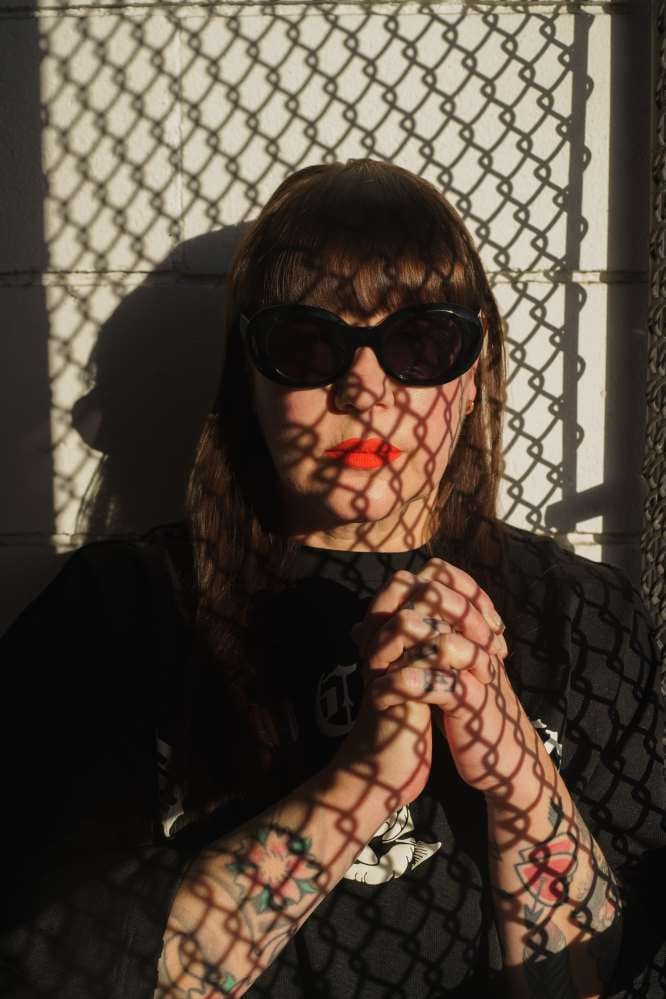
LACE & TWH {present} Miss Kittin / Lupini / Nestor & bainne bó
Miss Kittin
Circoloco closing party
Lineup TBC
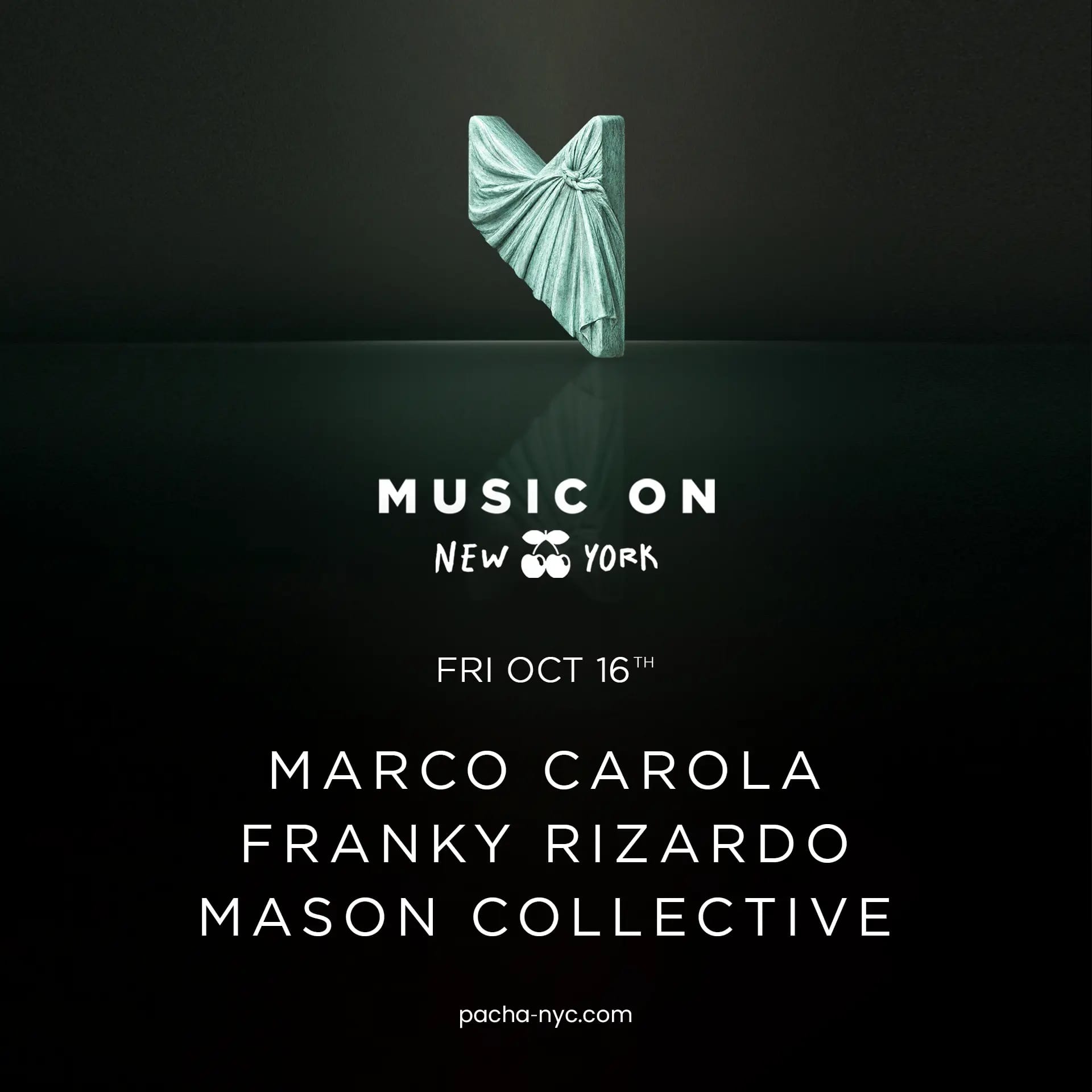
Music On
Marco Carola
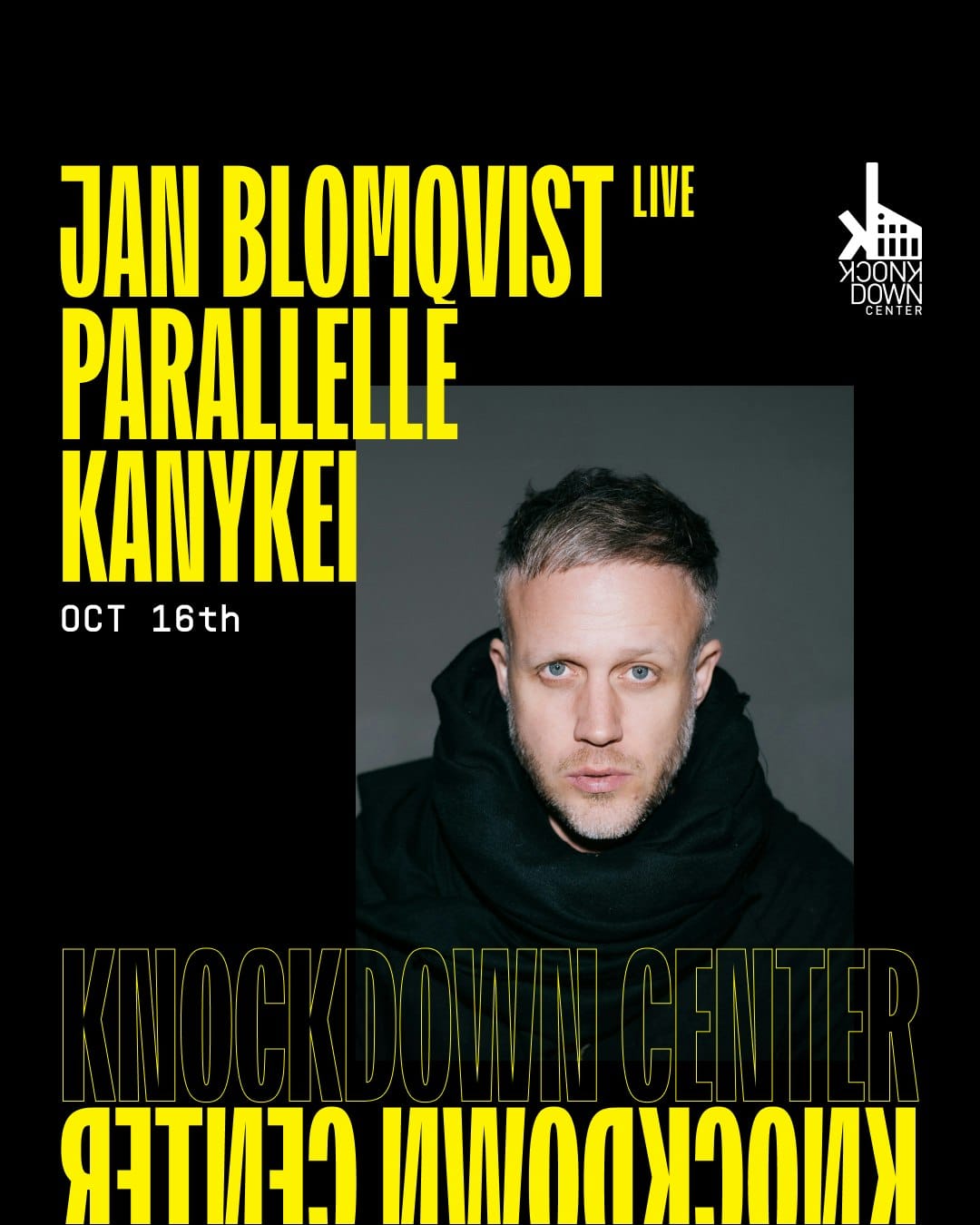
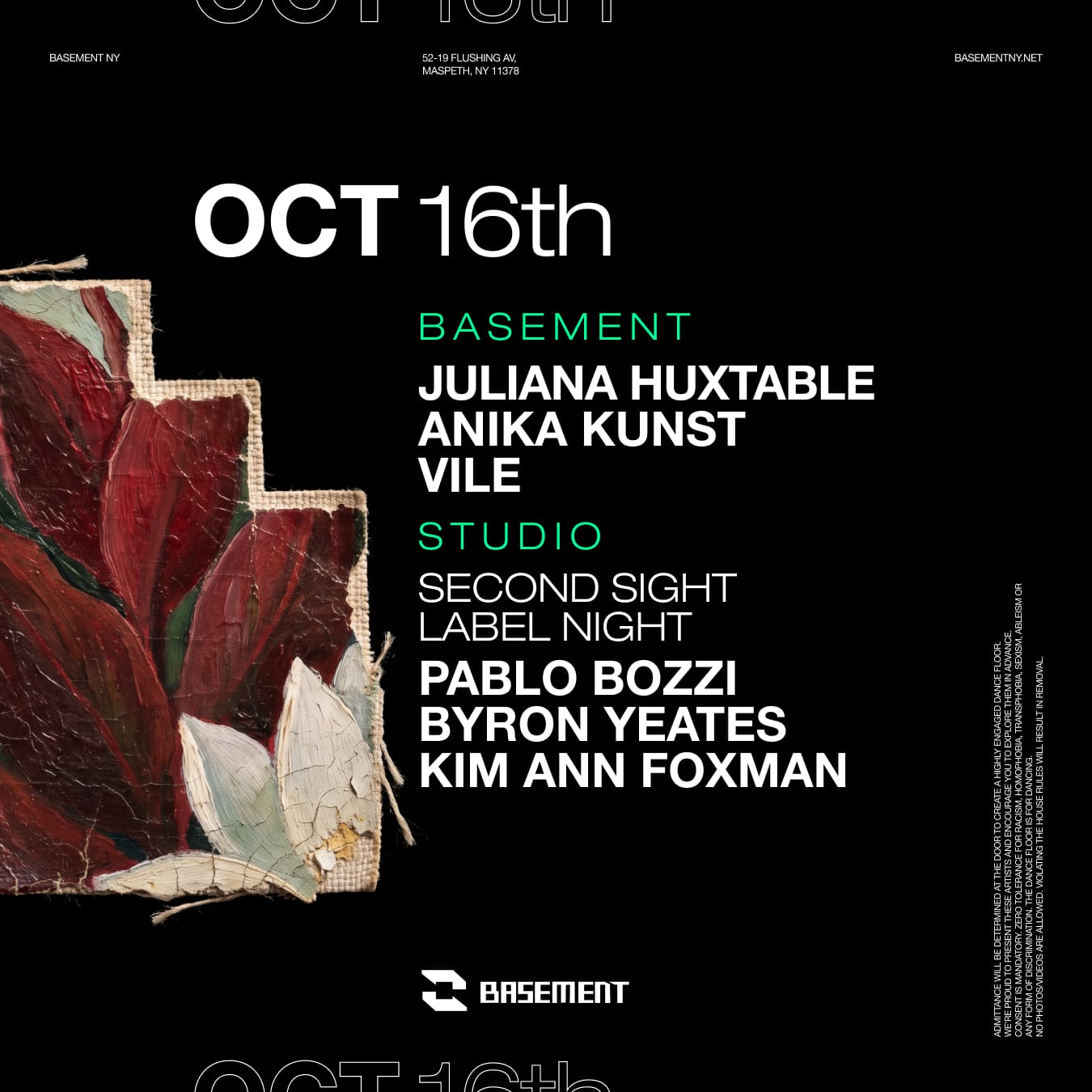
Juliana Huxtable, Anika Kunst, Vile
Juliana Huxtable / Jan Blomqvist
CURVEBALL: Techno Core Agency
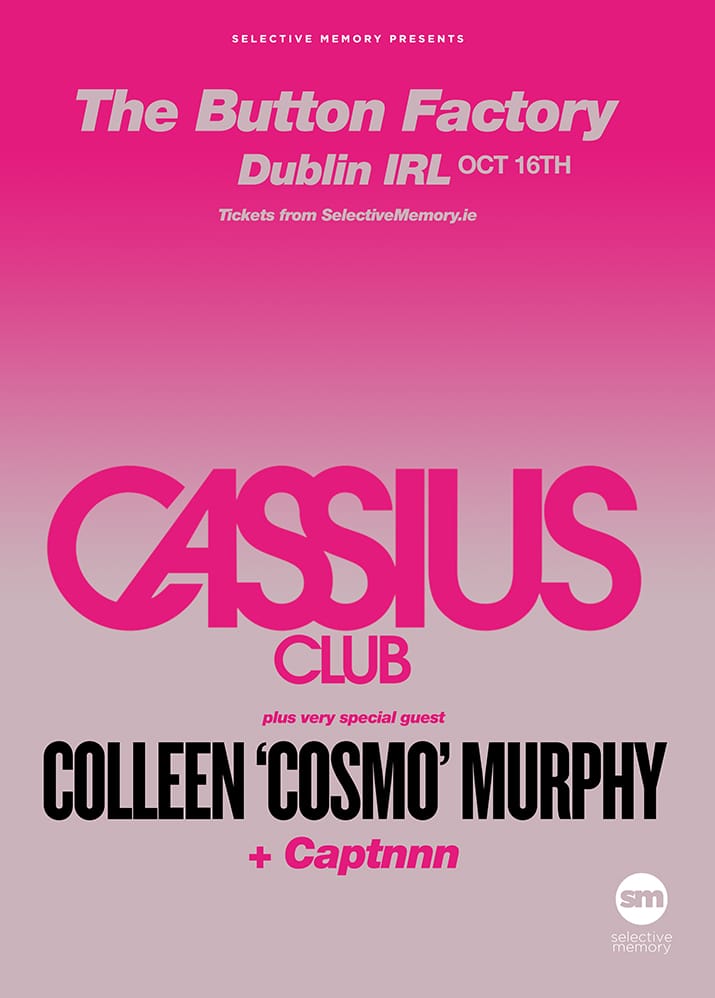
Fractious / Cassius
Callum Harris Birthday bash (memorial event)
Juliana Huxtable
 55:44Tequila Thru
Five Pioneers Who Redefined the Global Techno Sound
 11:41Tequila Thru
Andrew Weatherall: The Legacy of the DJ Who Challenged BPM
 13:15Tequila Thru
What is Rominimal: Origin and Keys to Romanian Minimal House
 11:46Tequila Thru
Roots of Hard Techno: From EBM and Mákina to the Current Scene
 12:01Tequila Thru
Michael Bibi: Success, Struggle and the Rebirth of Solid Grooves
 12:52Tequila Thru
The Evolution of French House: From French Touch to Underground
 11:41Tequila Thru
The Transformation of Electronic Music Festivals
 11:22Tequila Thru
Vitalic: Trajectory, Identity and the Trap of his Success
 11:31Tequila Thru
Laurent Garnier and The Haçienda: The essence of electronic music
 11:17Tequila Thru
Goldie and Timeless: How Drum & Bass Became Art
 Explore channel
See every video from Tequila Thru